
Last updated November 24, 2026
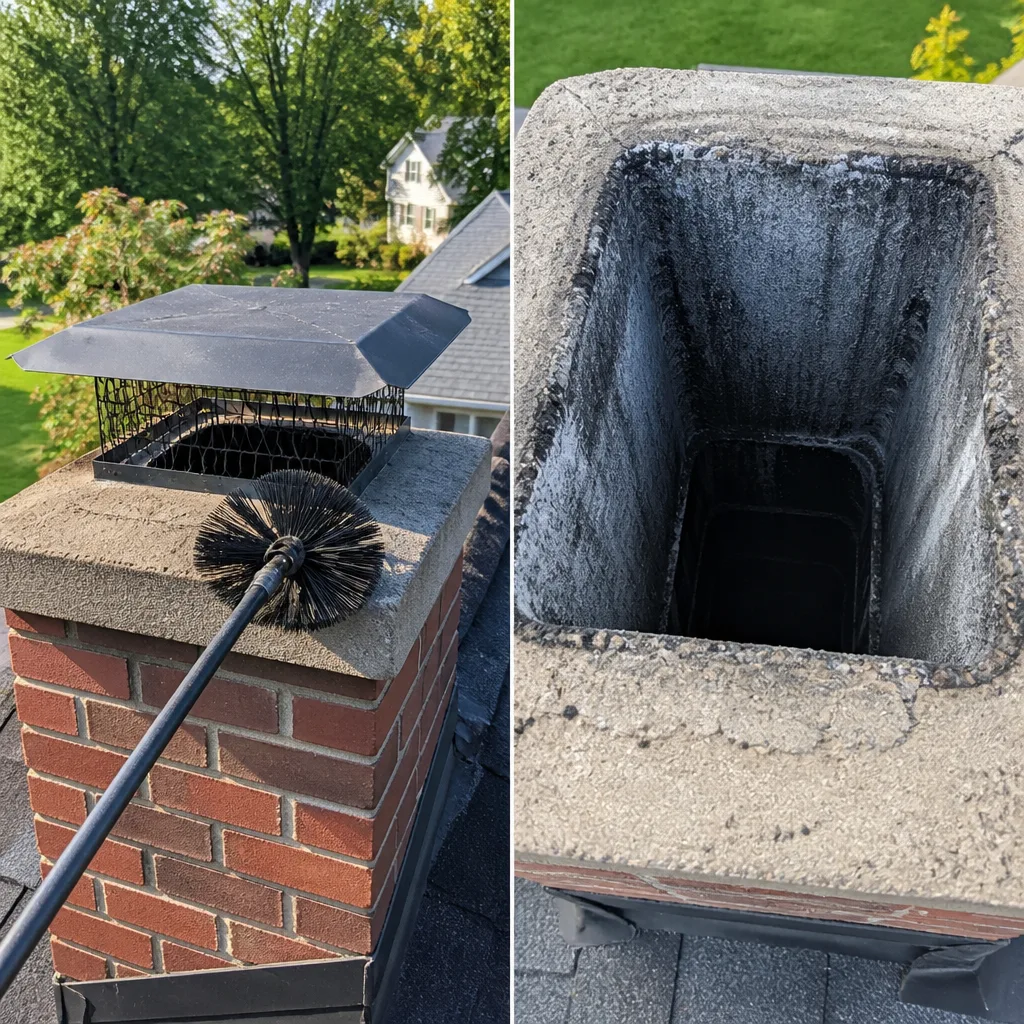 Sweep & inspection
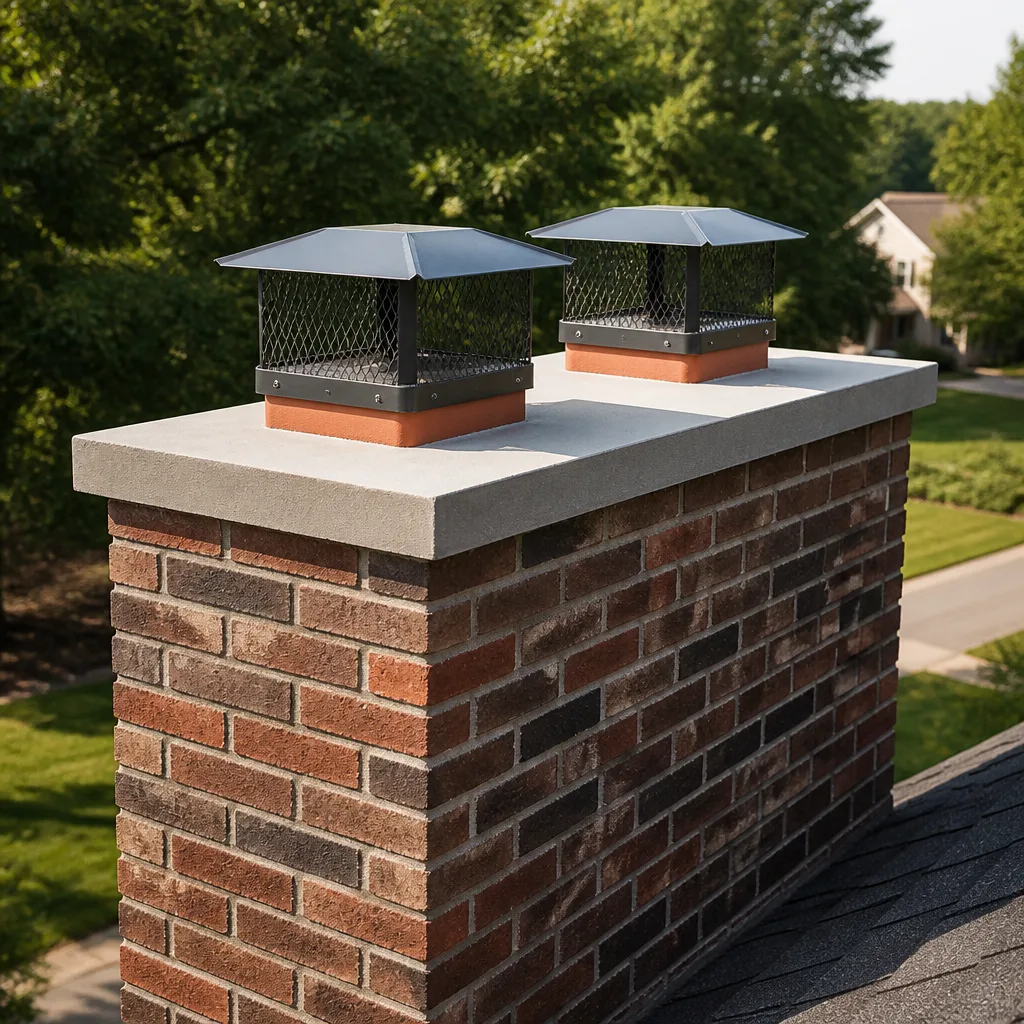 Caps & crowns
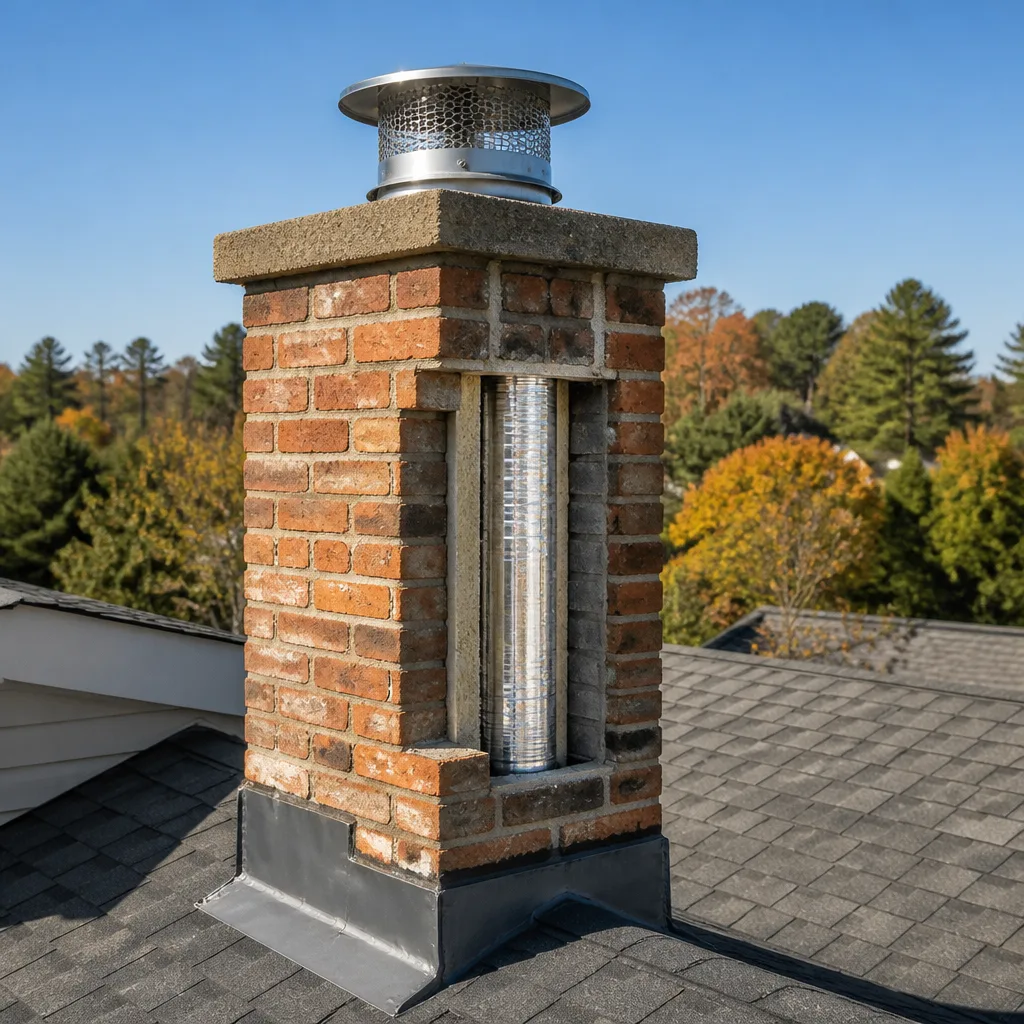 Flue relining
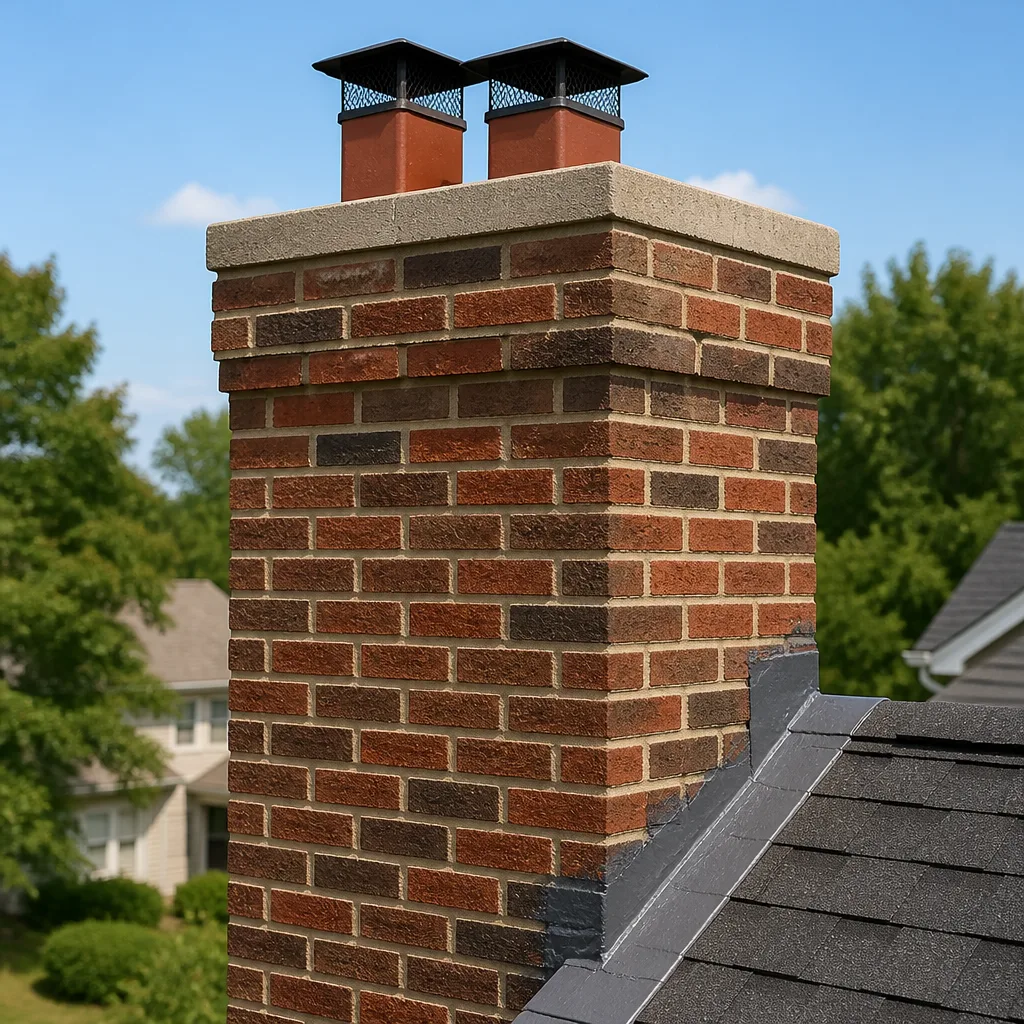 Masonry repair
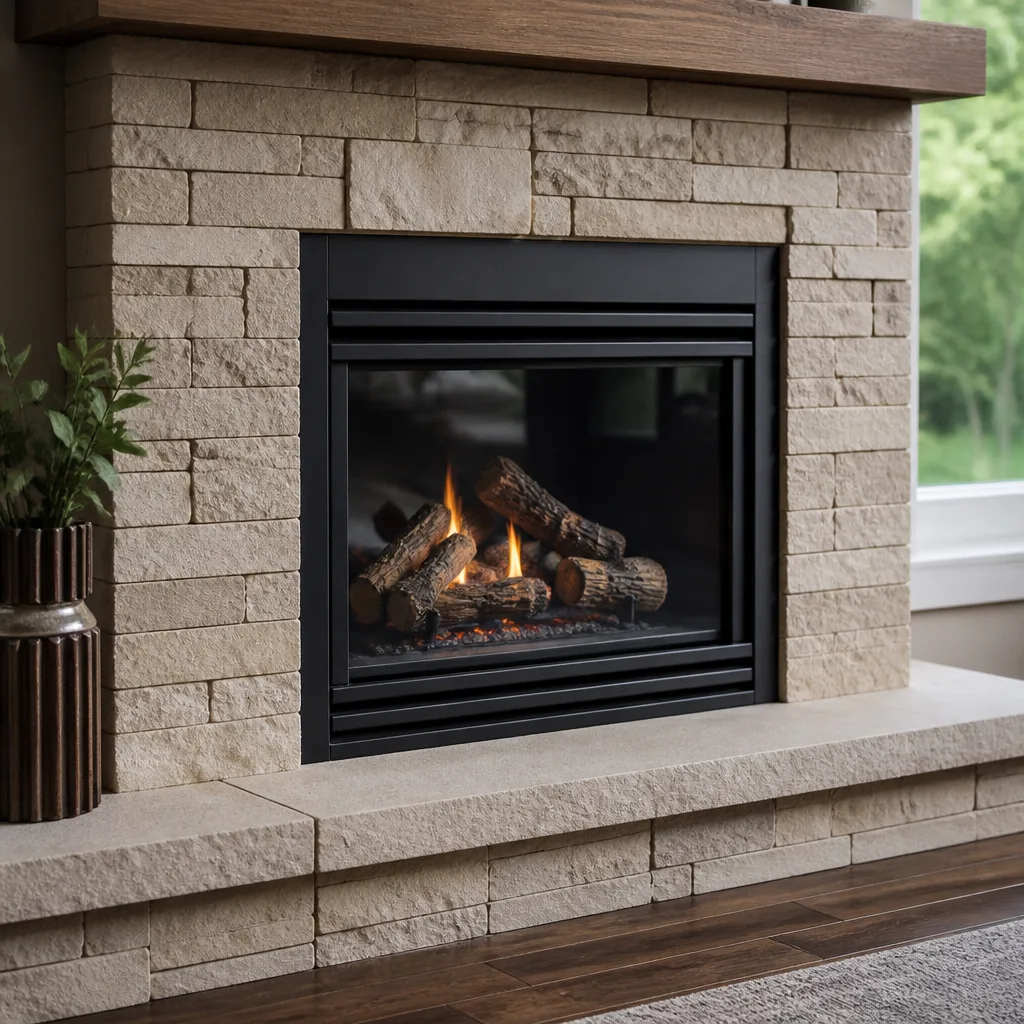 Gas fireplace service
Level 1 sweep and inspection to the NFPA 211 annual standard - flue, crown, cap, and flashing checked and photographed
Chimney sweep logs do not sweep chimneys. They loosen some creosote - which then falls where a brush and vacuum still have to collect it.
Chimney Sweep Maintenance Checklist for Wheat Ridge Homeowners
The three components most often missed on DIY chimney inspections in Colorado homes are also the three most likely to feed a chimney fire: the smoke chamber, the smoke shelf, and the first 18 inches of liner above the firebox. Homeowners rarely look there because they sit above eye level and behind the damper. A flashlight pass at the firebox floor feels thorough, but it skips exactly the surfaces where creosote hardens into something that can ignite. This guide walks through a chimney component by component, tells you what a real pass and a real fail look like, and separates the checks you can do safely from the ones that need a camera and a certified sweep. Wheat Ridge homes have their own patterns of wear, and we’ll point them out as we go.
Styles & brands we work with
- Sweep & inspection
- Caps & crowns
- Flue relining
- Masonry repair
- Gas fireplace service
Quick Answer
A chimney maintenance checklist for a Wheat Ridge home should cover eight components – firebox, damper, smoke shelf, smoke chamber, liner, crown, cap, and flashing – checked at least once a year, with sweeping intervals set by how much and what kind of fuel you burn. Homeowners can safely assess the firebox floor, damper operation, cap, and the outside of the crown with a flashlight and a pair of binoculars. The smoke chamber, smoke shelf, upper liner, and flashing details require a camera inspection performed by a certified sweep.
Table of Contents
- How a chimney actually fails in Wheat Ridge
- The component-by-component checklist
- What you can check safely with a flashlight
- What needs a camera inspection or certified sweep
- Maintenance intervals by fuel type
- Documenting chimney condition year over year
- Crown sealing and flashing repair for freeze-thaw
- Common mistakes to avoid
- When to call a professional
- Frequently asked questions
How a Chimney Actually Fails in Wheat Ridge
Chimneys rarely fail in a single dramatic event. They fail slowly, through cycles of heat, moisture, and freeze-thaw, and Wheat Ridge sits in a climate that accelerates all three. Winters here swing between warm afternoons and hard overnight freezes, and that swing works on masonry the way a chisel works on stone. Water seeps into a hairline crack in the crown, freezes, expands, and widens the crack. Repeat that a few hundred times across a Front Range winter and a small cosmetic flaw becomes a structural one.
The second pattern is creosote accumulation tied to burn habits. Wheat Ridge sits at the edge of the foothills, where evenings cool off fast even after a mild day. That means many homeowners run a fire hot in the evening and let it smolder overnight. Smoldering fires produce far more creosote than hot ones, and the residue glazes onto the flue walls where a brush pass alone won’t always remove it.
The third pattern is deferred minor repair. A missing cap, a rusted damper, a cracked crown – each is small on its own. Stack them across a few seasons and you get water intrusion into the smoke chamber, rusted damper hardware, and a flue that no longer drafts cleanly. The good news is that all three patterns are catchable with a consistent checklist. What you need is the right list, checked in the right order, with the right person looking at the parts you can’t reach.
If you burn wood regularly, an annual chimney sweep is the baseline. But a sweep alone won’t tell you the crown is cracked or the flashing has pulled away from the roofline. Both need a real inspection.
The Component-by-Component Checklist
Here’s the checklist we’d hand a Wheat Ridge homeowner. Each item has a simple pass/fail standard so you’re not guessing. Work from the firebox up and outside last.
- Firebox. Pass: brick or panel faces are intact, joints are tight, no loose or crumbling mortar. Fail: any cracked brick, spalled face, or mortar joint you can pick out with a screwdriver.
- Damper. Pass: opens and closes smoothly, seats flush when closed, no rust or warping. Fail: sticks, won’t fully close, or has visible rust through the plate.
- Smoke shelf. Pass: the flat ledge behind the damper is clear and sloped correctly. Fail: creosote buildup, debris, or a shelf that’s been altered or covered over.
- Smoke chamber. Pass: smooth, sealed surfaces with no gaps between corbelled courses. Fail: rough, stepped corbelling that catches creosote, or open joints.
- Liner. Pass: continuous flue with no cracks, gaps, or offset joints. Fail: any visible crack, missing tile section, or a flue that doesn’t run straight from firebox to top.
- Crown. Pass: slopes away from the flue, no cracks wider than a hairline. Fail: cracks you can slide a putty knife into, or a crown that’s flat or sloping toward the flue.
- Cap. Pass: seated firmly, mesh intact, no rust-through. Fail: missing, loose, or mesh torn enough to let birds and squirrels in.
- Flashing. Pass: metal sits tight to the chimney and roof, sealant is intact, no rust stains on the masonry below. Fail: lifted edges, missing sections, or water tracking down the chimney sides.
The smoke chamber and smoke shelf items are the two most homeowners can’t check themselves – they’re above eye level and behind the damper. Most chimney fires start where creosote collects in the smoke chamber, so treat that as the priority when you book an inspection. Our chimney repair work in Wheat Ridge frequently starts with a smoke chamber that was never resurfaced after decades of use.
What You Can Check Safely With a Flashlight
You don’t need to book a sweep to do a useful visual pass. A strong flashlight, a mirror, and five minutes get you a good read on several components – and give you something specific to tell a technician when you call.
- Firebox floor and walls. Look for cracked or spalled brick, crumbling mortar, and staining that suggests water intrusion.
- Damper movement. Open and close it a few times. It should move smoothly and seat flush. Grinding or sticking means rust or debris.
- The flue opening at the top of the firebox. Shine the light up. You can see the first section of liner. Look for cracked tile, gaps, or heavy soot deposits.
- The cap from the ground. Binoculars from the yard, not a ladder. Yes, that’s a real limit – roofs here get slick fast. If the cap looks loose or missing, don’t climb up to check.
- The crown from the ground or a window. Cracks and slope are visible from a safe distance.
- Water staining on the exterior masonry. Rust streaks or dark patches below the crown point to crown or flashing problems.
Two safety limits matter here. Never get on a snowy or icy roof – falls are the most common chimney-adjacent injury, and Wheat Ridge roofs hold ice longer than you’d expect on north-facing slopes. And never reach into a firebox or flue while a fire is burning or recently burned. Wait until everything is cold.
There’s one component a homeowner should never handle: the flue itself. A flashlight won’t tell you whether creosote has glazed onto the liner walls or whether the smoke chamber is sealed. Those need a camera. What the flashlight pass does tell you is whether you need a sweep sooner rather than later – useful when deciding whether to book now or wait a month.
What Needs a Camera Inspection or Certified Sweep
Some condition issues are literally invisible without the right equipment. A camera inspection, done by a certified sweep, is the standard for anything above the damper. Here’s what requires one and why.
Smoke chamber. The corbelled brick above the damper is the most common place creosote collects and the hardest to see. Camera inspection shows whether the chamber has been properly sealed – many older Wheat Ridge homes have open, stepped corbelling that catches creosote and is a fire hazard. HeatShield ceramic resurfacing is the repair most sweeps can’t offer; it smooths and seals the chamber back to a safe profile.
Upper liner. The first 18 inches above the firebox and the top few feet of flue are the highest-stress zones. A camera pass reveals cracks and gaps a flashlight can’t reach. If the liner is failing, DuraFlex flexible liner systems are what we specify for the relining – they fit non-standard and older flues and hold up under thermal cycling better than rigid tile.
Flashing details. Camera inspection from inside the attic or from the roofline reveals whether flashing has pulled away. From the ground you see rust stains; the camera shows you the source.
Structural integrity of the crown and chimney stack. Hairline cracks are fine; a crack you can slide a putty knife into means water is already getting in. That’s a camera-inspection call.
The rule of thumb: if you can’t see a component from the firebox floor or the ground, it’s a professional’s job. That’s not a sales pitch – it’s the honest boundary between what’s safe to check and what isn’t. Our fireplace repair work covers the firebox and damper side, which is the part you can see; the flue side always starts with a camera inspection.
Maintenance Intervals by Fuel Type
Calendar-year sweeping is the wrong schedule. The right one depends on what you burn and how you burn it. Here’s how the intervals shake out for the fuel types we see most in Wheat Ridge.
- Gas logs or a gas fireplace. Sweep annually to clear dust and debris and to confirm venting is clear. The bigger risk with gas is a blocked vent or a failing damper seal, not creosote. Inspect the flue annually even if you rarely run it.
- Seasoned hardwood (split and dried a year or more). Sweep once a year under normal use. If you burn daily through the heating season, add a mid-season inspection. Hardwood produces less creosote than softwood when it’s properly seasoned.
- Unseasoned or “green” wood. Sweep at the start and end of the season, not just once. Green wood smolders and produces roughly double the creosote of seasoned hardwood in our experience.
- Softwood (pine, fir). Sweep more often than hardwood – every six months is a reasonable starting point if softwood is your primary fuel. Resinous wood builds creosote fast.
- Pellet or wood stove insert. Follow the manufacturer’s interval, check the flue annually, and treat the smoke chamber the same as a masonry fireplace.
One more factor matters in Wheat Ridge: burn habits. If you smolder overnight – damping down the fire and letting it ride until morning – you’re in the higher-creosote category regardless of fuel. Smoldering fires cool the flue gas before it exits, which deposits more creosote on the walls. Schedule accordingly. A smokey smell in the room when the fire is lit is another signal to sweep sooner than planned.
Documenting Chimney Condition Year Over Year
The most underused maintenance tool is a folder. Chimneys deteriorate slowly enough that a change from one year to the next is easy to miss – but a photo from two years ago next to one from today is impossible to argue with. Document your chimney annually and you’ll catch problems while they’re still small.
- Photograph the firebox from the same angle each year, with a tape measure visible for scale.
- Photograph the crown and cap from the ground with consistent framing so you can see crack growth.
- Photograph the exterior masonry below the crown, where water staining shows first.
- Keep the inspection report the sweep provides. A photo report from a camera inspection is the single most useful record you can hold onto.
- Note the date and the fuel type used that year. A year you switched from hardwood to softwood explains a jump in creosote, for example.
Five years of records also tells a technician a lot before they even get on the roof. If you’re planning to sell a Wheat Ridge home, a documented maintenance history is worth having on hand – buyers and inspectors ask about chimney condition, and a record answers the question without guesswork. When a sweep recommends a repair, ask for the camera footage or photos. A recommendation without visible evidence is one you can and should question.
Documentation also helps you push back on work you don’t actually need. If a technician recommends a full reline and you have photos from last year showing the liner intact, ask to see the current footage. If it’s there, the work is justified. If it isn’t, you’ve saved yourself a repair bill.
Crown Sealing and Flashing Repair for Freeze-Thaw
The crown and flashing are where Wheat Ridge’s freeze-thaw cycles do the most damage. Both are exterior components, exposed to every temperature swing and every moisture cycle. Both are repairable without replacing the chimney – if you catch them early and use materials that hold up.
The crown. A crown is the concrete or mortar cap at the top of the chimney, sloped to shed water away from the flue. Over time it cracks. Water gets in, freezes, and the crack grows. CrownCoat is the product we specify for crown sealing and rebuilding; it’s a flexible coating that bridges hairline cracks and stays elastic through freeze-thaw. A rigid patch fails as soon as the masonry moves. A flexible coating moves with it. For crowns that are structurally sound but cracked, resealing with CrownCoat buys years; for crowns that are crumbling or sloping toward the flue, rebuilding is the honest answer.
Flashing. Flashing is the metal seal where the chimney meets the roof. It takes the most abuse of any component because it has to seal two surfaces that expand and contract at different rates. When it pulls away – and it will, eventually – water tracks down the chimney sides and into the attic. The flashing repair we do in Wheat Ridge is a cut-and-seal job using copper or a comparable metal, not a sealant smear. Caulk over a failed flashing joint is a temporary patch that will fail on the next freeze. A proper flashing repair replaces the membrane and re-seats it into a reglet cut into the masonry.
The cap. A cap keeps rain, birds, and debris out of the flue. We install caps using Gelco components – branded, warrantied hardware rather than something anonymous. A phone call to check on a cap is worth making after any storm that brings down branches.
Common Mistakes to Avoid
- Skipping the smoke chamber because you can’t see it. This is the single most common miss. If you’ve never had a camera inspection of the smoke chamber, you don’t know its condition.
- Burning “green” or unseasoned wood to save money. It costs you more in creosote buildup and extra sweeping than you save on the wood. Season wood at least a year before it goes in.
- Caulking a cracked crown. Sealant alone won’t bridge a moving crack through a freeze-thaw season. Flexible products like CrownCoat are designed for the job; plain caulk isn’t.
- Getting on the roof in winter. Wheat Ridge roofs hold ice on north-facing slopes long after the sun has cleared the rest. A dropped cap is not worth a fall.
- Treating a sweep as the whole job. A sweep cleans the flue; it doesn’t tell you whether the crown is cracked or the flashing is failing. Sweep and inspect in the same visit.
- Assuming a gas fireplace needs no maintenance. Gas doesn’t produce creosote, but dust, debris, and pest nests block the vent. Inspect annually regardless.
- Ignoring rust on the damper. Rust on the damper plate means moisture is getting in from above. It’s a flashing or crown signal, not a damper problem.
When to Call a Professional
Some chimney problems are checklist items you can catch yourself. Others need a technician on the roof with a camera. Call us when any of the following is true: the damper doesn’t seat flush; you smell smoke in the room when the fire is lit; you see water staining on the exterior masonry below the crown; the cap is missing or loose; the crown has a crack you can slide a putty knife into; or it’s simply been more than a year since the last sweep. These are the signals that a flashlight pass has reached its limit. A sweep and a camera inspection together take under an hour and tell you exactly where you stand, from the firebox floor to the crown. Chimney Sweep Wheat Ridge offers free estimates in Wheat Ridge – call (866) 947-9417. The estimate is free, and the price is set per job by the written estimate, so you know the cost before the work starts. Our technicians have up to 8 years of experience, and the local pro is licensed and insured as their state requires.
Frequently Asked Questions
For a regularly used wood-burning fireplace, once a year. Wheat Ridge homeowners who burn daily through the heating season should add a mid-season inspection, and anyone burning softwood or unseasoned wood should sweep more frequently – every six months is a reasonable starting point. Gas fireplaces get an annual inspection even if you rarely run them.
Eight components: firebox, damper, smoke shelf, smoke chamber, liner, crown, cap, and flashing. Each is checked against a simple pass/fail standard. The checklist distinguishes the items you can safely assess with a flashlight from the items that require a camera inspection by a certified sweep. Smoke chamber, smoke shelf, upper liner, and flashing details fall in the second group.
Only if the camera inspection shows cracks, gaps, or offset joints that a sweep can document. Nothing gets recommended without camera evidence you can see for yourself. If the liner is intact, relining is not the answer – a sweep and a sealing job may be. When relining is needed, we use DuraFlex flexible liner systems because they fit older and non-standard flues. Call (866) 947-9417 for an exact quote – estimates are free.
Creosote accumulates in the smoke chamber and flue, and once it glazes it can ignite. A chimney fire can crack the liner and let carbon monoxide and smoke into the home. Separately, a cracked crown or failed flashing lets water into the masonry, which then freezes and widens the damage. Skipping a year is rarely catastrophic; skipping several is how small repairs become structural ones. Call (866) 947-9417 for a free estimate if you’re overdue.
You can safely check the firebox, damper operation, cap (from the ground with binoculars), crown, and exterior masonry with a flashlight. Anything above the damper, and anything that requires getting on the roof, needs a certified sweep with a camera. Never climb a snowy or icy roof in Wheat Ridge to inspect a cap – that’s the highest-risk check on the list.
A sweep cleans the flue. HeatShield ceramic resurfacing is a repair: it smooths and seals the smoke chamber and flue interior back to a safe profile, which is a specialty most sweeps don’t perform. If the camera inspection shows rough corbelling or open joints in the smoke chamber, HeatShield is the repair. Call (866) 947-9417 for a free estimate.
The Bottom Line
The chimney maintenance checklist that actually protects a Wheat Ridge home covers eight components, uses pass/fail standards, and separates what you can check from what needs a camera. Sweep intervals follow fuel type and burn habits, not just the calendar. Document annually with photos and keep the sweep’s photo report so you can spot slow deterioration before it becomes structural. Crown sealing with CrownCoat and proper flashing repair hold up through freeze-thaw cycles in a way that caulk won’t. When the flashlight pass hits its limit, that’s when you call. Our five core services – sweep, inspection, fireplace repair, chimney repair, and cap and crown installation – are handled by the same team, so there’s no finger-pointing between contractors. Call (866) 947-9417 for a free estimate in Wheat Ridge. We answer 24/7. Fast dispatch from 7am to 7pm, Sunday through Friday.
Written by the team at Chimney Sweep Wheat Ridge.
See the difference
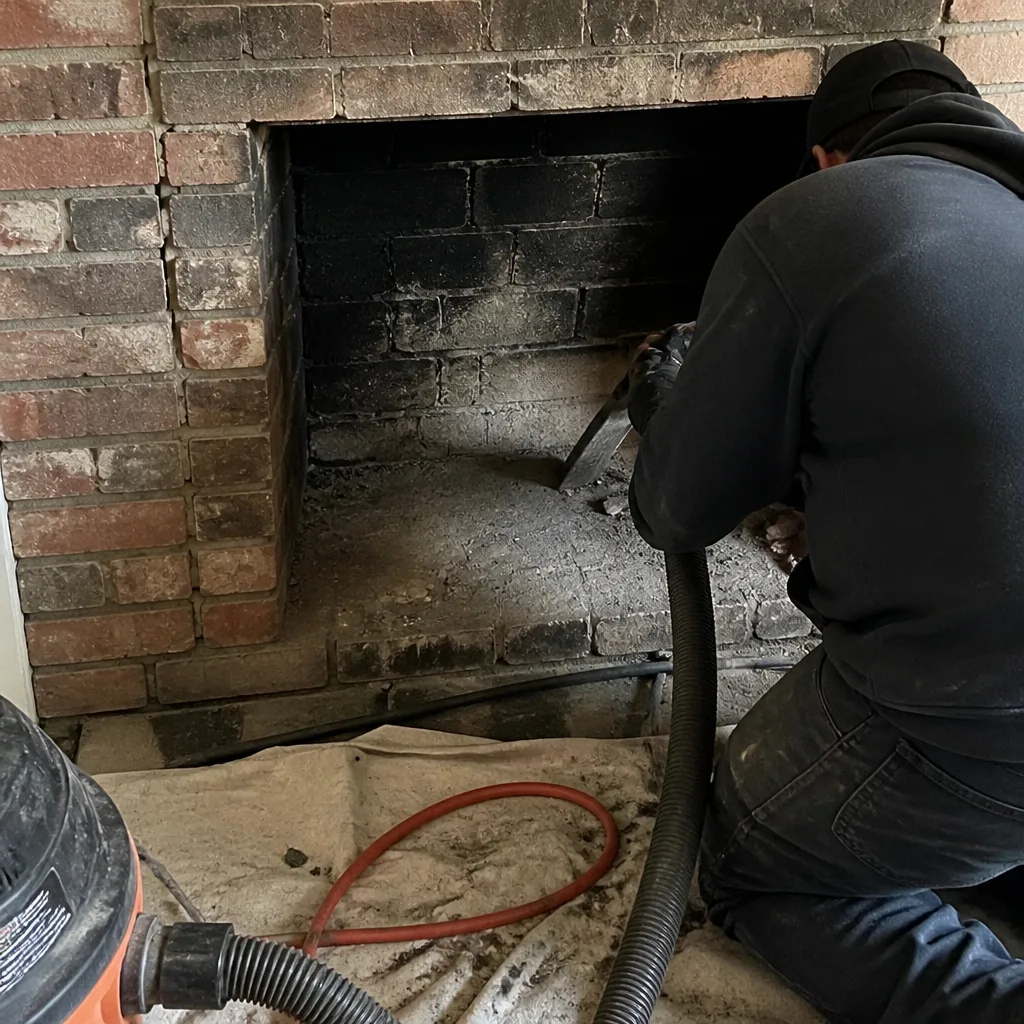 Before
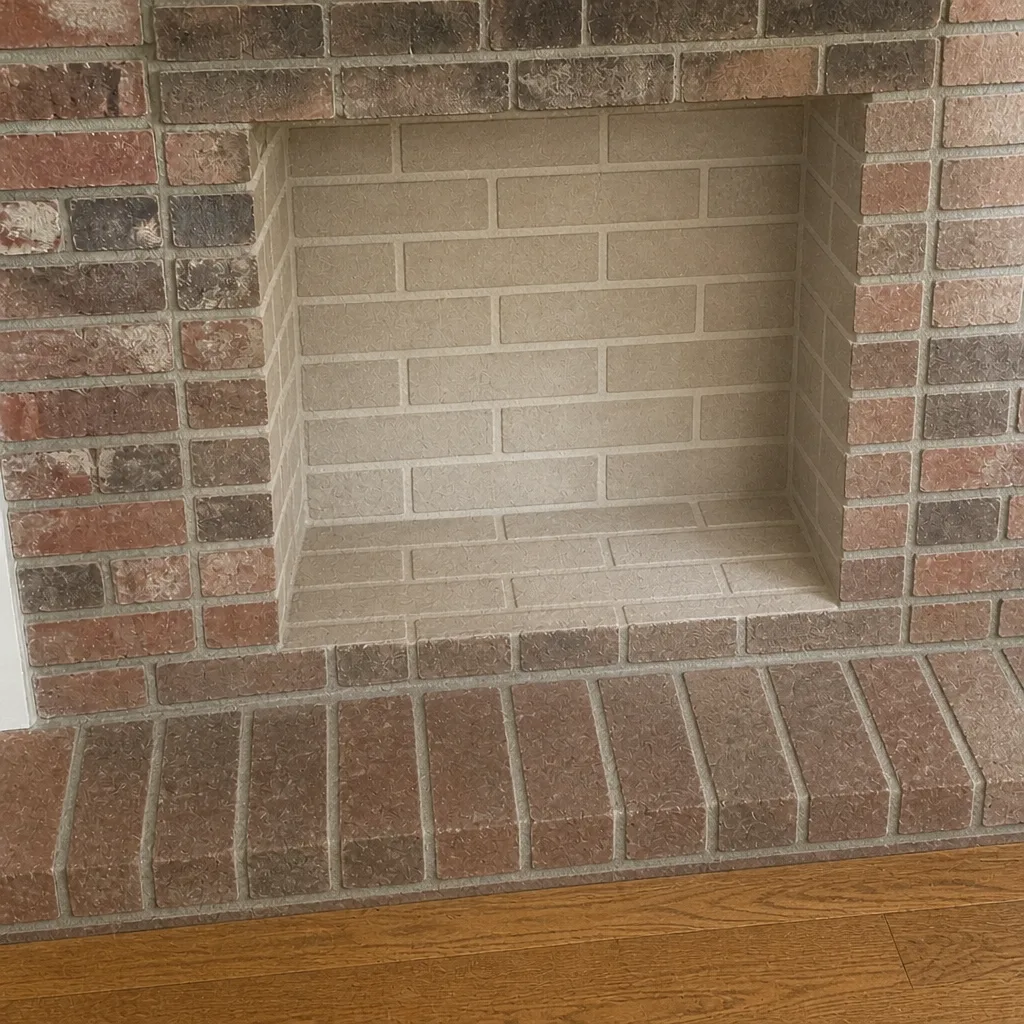 After
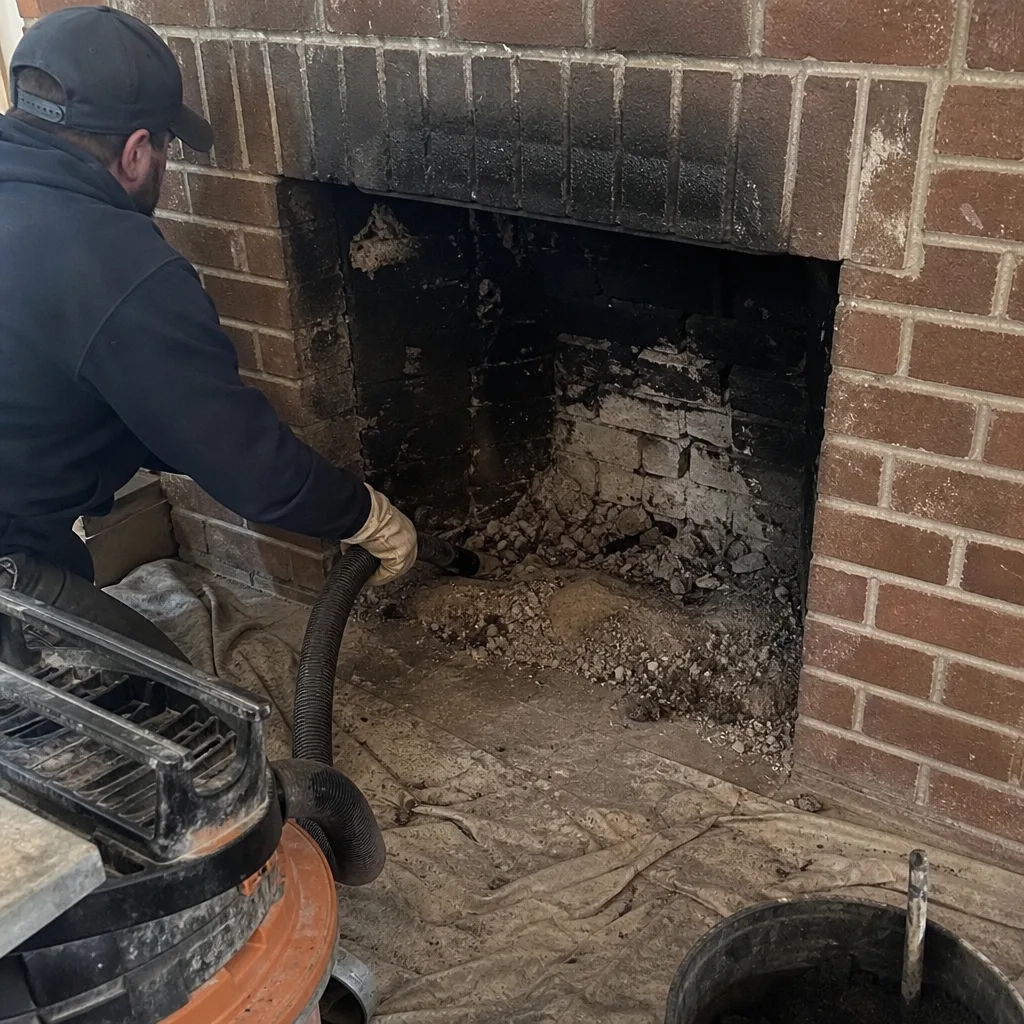 Before
 After
 Before
 After