
Last updated November 24, 2026
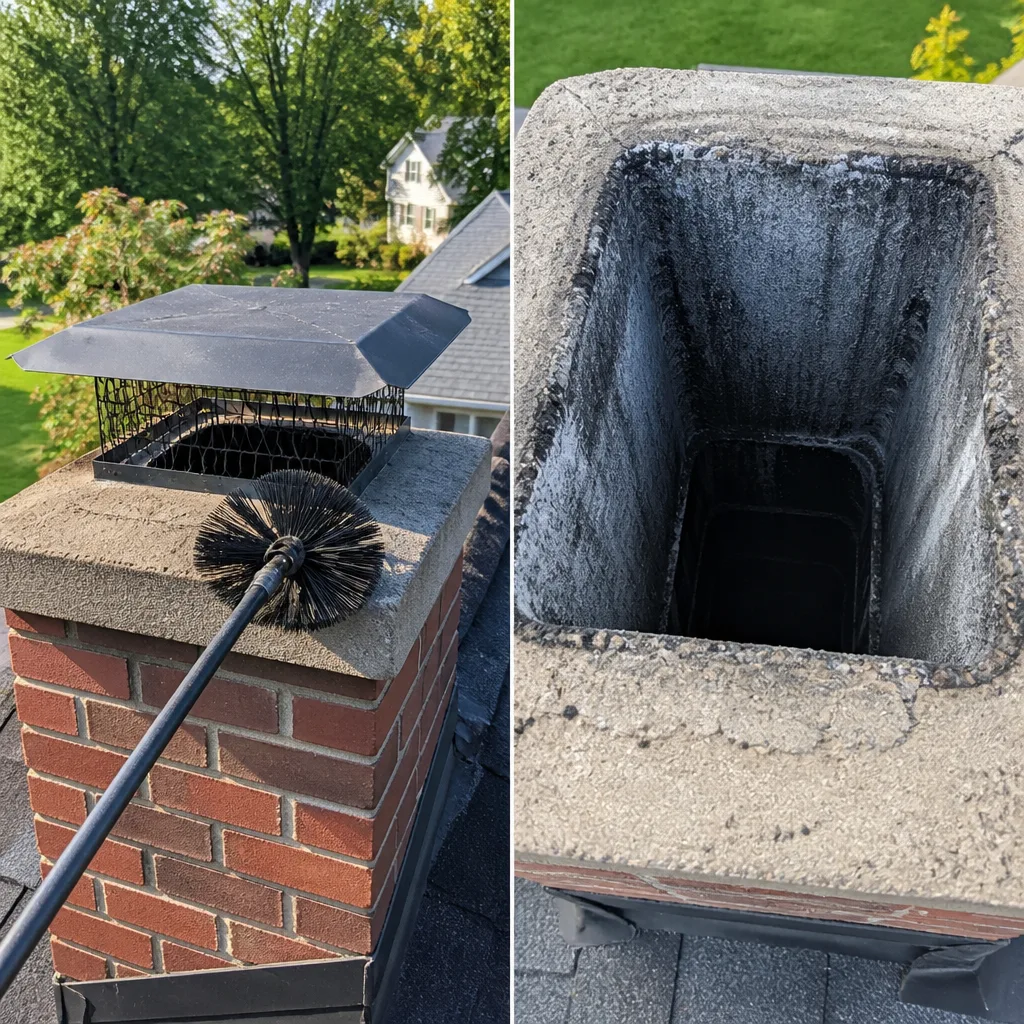 Sweep & inspection
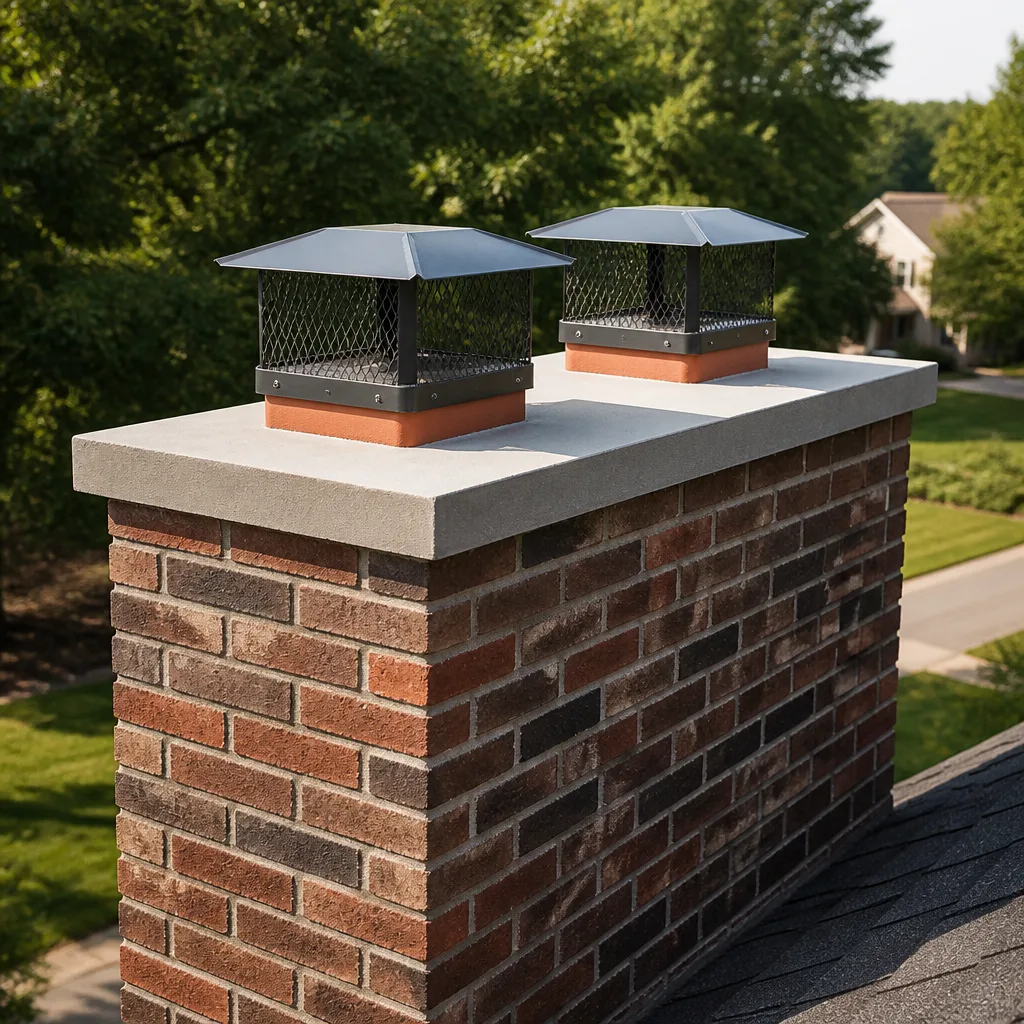 Caps & crowns
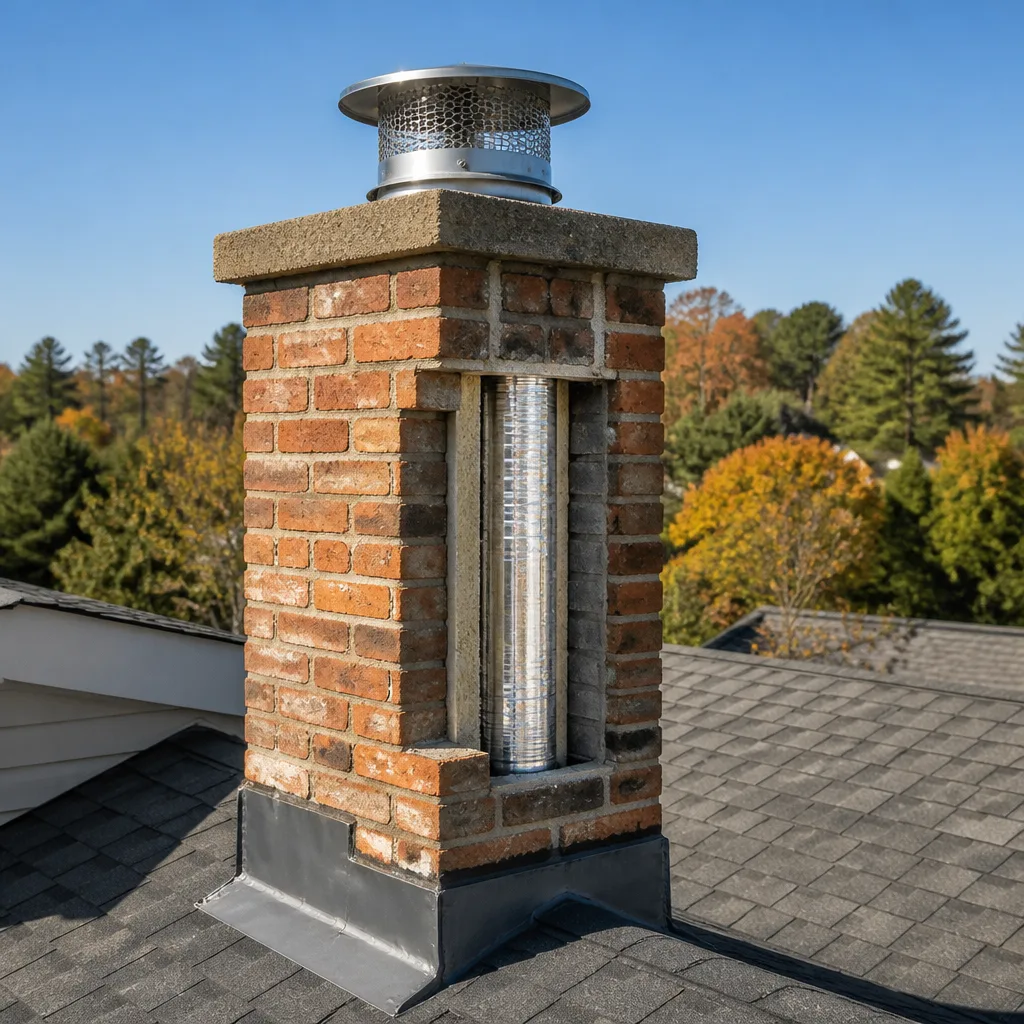 Flue relining
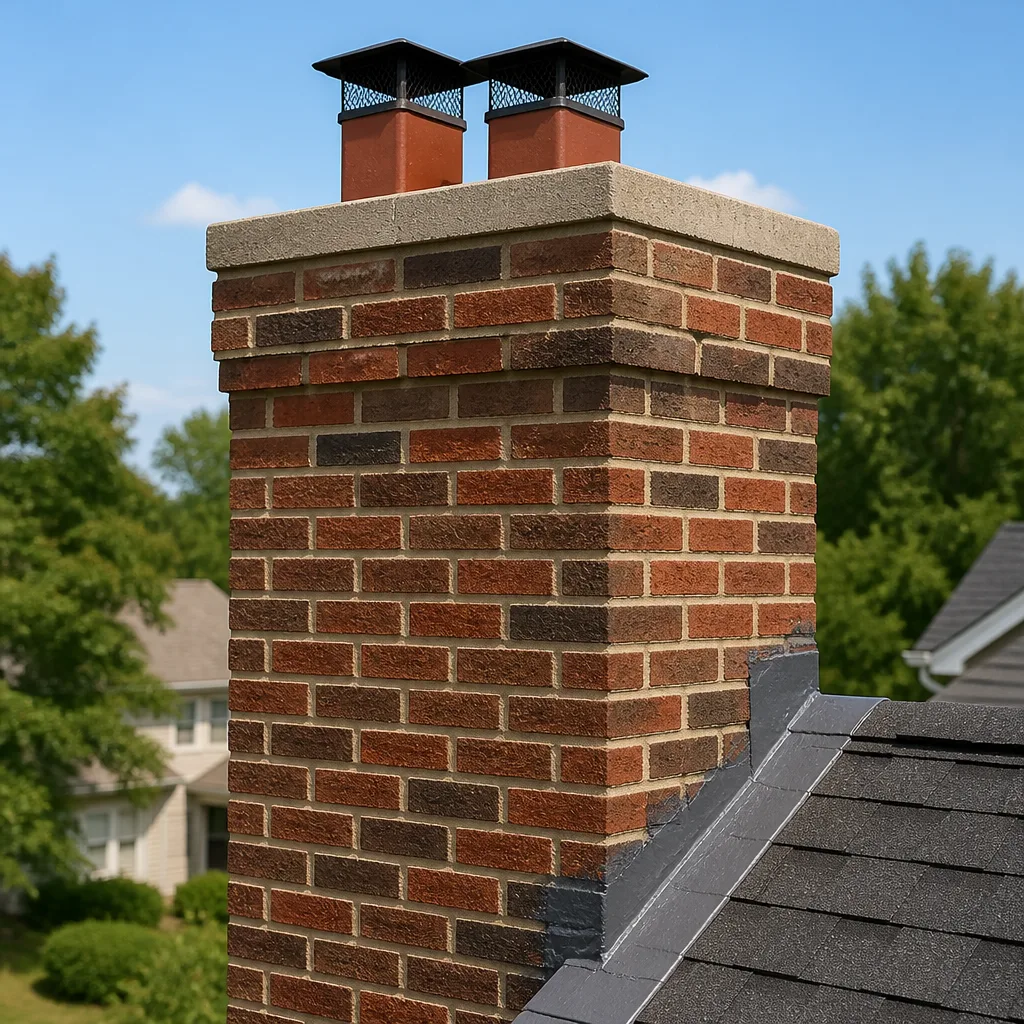 Masonry repair
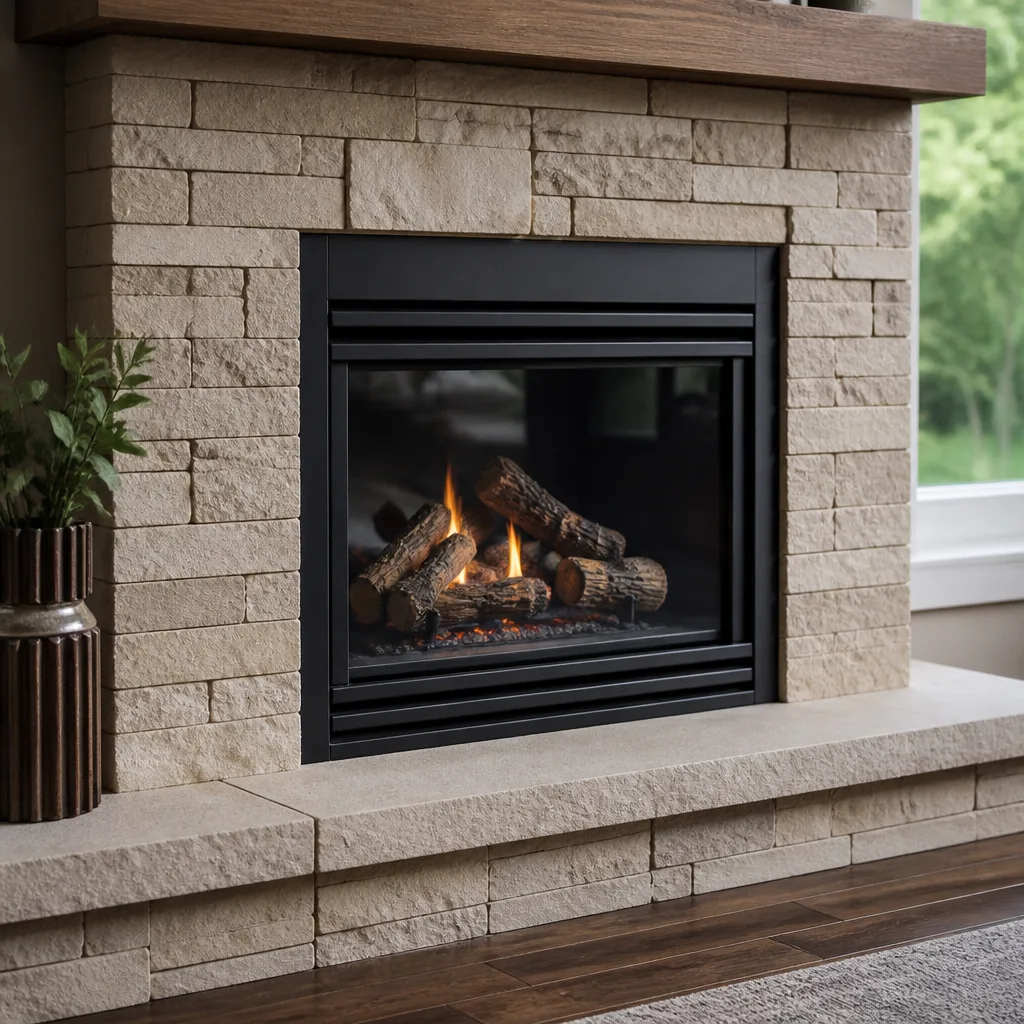 Gas fireplace service
Level 1 sweep and inspection to the NFPA 211 annual standard - flue, crown, cap, and flashing checked and photographed
Chimney sweep logs do not sweep chimneys. They loosen some creosote - which then falls where a brush and vacuum still have to collect it.
Chimney Sweep Maintenance Schedule: What to Do and When
The chimney fire that ruins a flue liner almost always follows a maintenance gap you can trace. The homeowner swept in fall, skipped the spring moisture inspection, and never noticed the hairline crack that let water in all summer. By the time burning season returns, the liner is compromised and the repair is no longer a sweep. A single annual sweep is a minimum floor, not a plan. What actually protects a chimney is a calendar built around the seasons here in Wheat Ridge: spring inspection, summer cap and crown work, fall sweep, and mid-season attention to the liner. This guide lays out that calendar month by month, tells you what you can check yourself and what needs a certified technician, and shows you how burn volume, not the passage of time, sets your sweep interval.
Quick Answer
A complete chimney maintenance schedule has four fixed points: a spring inspection to catch winter moisture damage before it compounds, a summer check of the cap and crown, a fall sweep before burning season, and a mid-season liner assessment if you burn heavily. Sweep based on how much wood you burn, not on the calendar alone – most homes need one sweep a year, but heavy burners need two. Gas appliances still need inspection even though they produce no creosote.
Styles & brands we work with
- Sweep & inspection
- Caps & crowns
- Flue relining
- Masonry repair
- Gas fireplace service
Table of Contents
- Why One Annual Sweep Isn’t a Maintenance Schedule
- The Month-by-Month Chimney Calendar for Colorado
- Why Spring Is the Most Important Inspection Window
- How Much You Burn Sets Your Sweep Interval
- What You Can Check Yourself vs. What Needs a Technician
- Gas Appliance Liner Checks Most Homeowners Skip
- Cap and Crown Maintenance Through the Seasons
- Inspection Levels and What Each One Covers
Why One Annual Sweep Isn’t a Maintenance Schedule
Most homeowners treat the annual sweep as the whole job. Book it in fall, get the creosote out, light the first fire, done. That works until it doesn’t, and the failure almost always happens in a part of the chimney the sweep doesn’t touch.
A sweep removes creosote from the flue. It’s a cleaning task, and a good technician does it thoroughly. But cleaning is one event in a system that changes across the year. The masonry absorbs moisture all summer. The crown cracks a little more with each freeze. The cap loosens. The damper seizes from disuse. None of those show up in a fall sweep, because by fall the damage is already set and you’re cleaning around it.
Here’s the part that catches people: the freeze-thaw cycle in Wheat Ridge does more damage to a chimney between April and October than the fire does all winter. Snowmelt on a warm afternoon soaks into a hairline mortar joint. The temperature drops below freezing that night, the water expands, and the joint widens. Repeat that a few hundred times over a Colorado spring and you have a crown that’s separating from the flue. A fall sweep doesn’t see that. A spring inspection does.
We specify the product by name so you know exactly what’s going into your chimney. When a crown has failed, we rebuild it with Gelco or Famco components rather than generic mortar, because the branded, warrantied hardware lasts through more winters than an off-brand patch. That’s the difference between treating a symptom and fixing the cause. A maintenance schedule that only includes sweeping is treating one symptom once a year. The calendar in this guide covers the whole system, from firebox to crown.
The Month-by-Month Chimney Calendar for Colorado
This is the schedule we’d hand a homeowner in Wheat Ridge who wants the chimney to last as long as the house. It’s built around Colorado’s actual seasons: the spring freeze-thaw, the dry wildfire-smoke summer, and the long burning season from first frost through April.
- March through May – Spring inspection. Book a Level 2 inspection once the last hard freeze passes. This is the moisture-damage window. The technician looks for cracked mortar, a failing crown, liner cracks, and water staining inside the firebox. Spring catches winter damage before summer water gets into the cracks.
- May through June – Repair window. Any crown, cap, or masonry repair the inspection turned up gets done now, before the summer monsoon pattern. Repairs in dry, warm weather cure properly and don’t get stressed by a quick freeze.
- July through August – Cap and venting check. The cap takes a beating from wind, hail, and sun. Check that the mesh is intact and the cap is seated. If it’s loose or the mesh has torn, that’s a small fix now and a bird-nest or rain problem by fall.
- September through October – Fall sweep. The main event. Get the creosote out before you light the first fire of the season. If you sweep only once a year, this is the one.
- November through February – Mid-season liner assessment. If you burn more than a couple of cords a season, check the flue partway through winter. A heavy burn builds creosote fast, and the glaze stage is where chimney fires start.
- Any month – Damper and appliance check. Once a year, confirm the damper opens and closes fully and that your gas logs or insert are venting as they should. A stuck damper is a slow leak of heat and a fire hazard.
That’s the full loop. Six touchpoints, most of them a few minutes of checking your own system, one or two that need a technician. The key is that they’re spread across the year instead of crammed into October.
Why Spring Is the Most Important Inspection Window
Fall gets all the attention because that’s when homeowners think about the fireplace. But spring is when a chimney inspection actually matters, and here’s why: the moisture damage that ruins flues happens in the warm months, and a spring inspection is the only chance to catch it before it compounds.
Think about where the chimney water comes from. It’s not the fire. It’s the rain and snow that soak into masonry all winter and spring, then freeze and thaw through April and May. A hairline crack in the crown or a failed mortar joint lets water in. The water freezes overnight, expands, and widens the crack. Next afternoon it thaws, more water gets in, and the next freeze pushes it deeper. That cycle runs for weeks in Wheat Ridge. By the time you light a fire in October, the crack that was cosmetic in April has reached the liner.
A fall inspection finds that damage already done. A spring inspection finds it while it’s still small. The difference in repair cost between a crown rebuilt in May and a flue liner replaced in November is the difference between routine maintenance and a major project.
Here’s what the spring inspection is looking for:
- Cracks in the crown, especially where it meets the flue
- Water staining on the firebox brick or the damper
- Efflorescence – the white powdery deposits that signal water moving through masonry
- Liner cracks or gaps visible on a Level 2 camera inspection
- Spalling brick, where the face has flaked off from freeze-thaw
- A cap that’s shifted, rusted, or lost its mesh
If a spring inspection turns up a deteriorating flue interior, the fix isn’t always a full reline. HeatShield ceramic resurfacing is a repair most sweeps can’t offer, and it addresses exactly the kind of surface deterioration that a wet winter tends to reveal. When a flue needs full replacement, we install DuraFlex liner systems, the flexible liner brand specified by technicians who work with older and non-standard flues. One inspection. One team. Everything from the firebox to the crown.
How Much You Burn Sets Your Sweep Interval
Most sweep recommendations say “once a year.” That’s a useful floor, not a rule. The right sweep interval depends on how much wood you actually burn, and burn volume is measured in cords, not months. A homeowner who lights a fire on cold weekends needs one sweep a year. A homeowner who heats with wood needs two, sometimes more.
Creosote builds in layers, and each layer insulates the next. The more you burn, the faster you reach the glaze stage, where creosote hardens into a tar-like coating that’s difficult to remove and highly flammable. That’s the stage where chimney fires start. A sweep in September doesn’t help a heavy burner who’s already past the glaze point by January.
We think about it in tiers:
- Occasional use (a cord or less a season, mostly weekend fires): one annual fall sweep usually keeps creosote in check.
- Regular use (one to two cords, fires most weeks through winter): one fall sweep plus a mid-season check. If the mid-season check shows heavy buildup, a second sweep is a good idea.
- Heavy use (two or more cords, heat as a primary source): two sweeps, one before the season and one mid-winter, because the creosote accumulates too fast for a single annual cleaning.
- Wood quality matters too: green or unseasoned wood and smoldering fires build creosote faster than dry, well-seasoned wood burned hot. If you’re burning damp wood, move up a tier.
One more thing that isn’t about quantity: how you burn matters as much as how much. A hot, efficient fire produces less creosote than a slow, smoldering one choked with the damper nearly closed. Burning dry wood and letting the fire get hot once a day keeps the flue cleaner than burning more wood in a smoky fire. This is why we ask about your wood and your burning habits during an inspection. It’s not small talk. It tells us how fast your chimney is building up.
What You Can Check Yourself vs. What Needs a Technician
Some of a chimney’s health you can assess yourself in a few minutes. Some of it needs a trained eye and a camera, and attempting it yourself can be dangerous. Knowing the difference keeps you safe and stops you from paying for a technician visit to look at something you could have seen from the ground.
What a homeowner can safely check:
- Cap condition. From the ground, look at the cap on top of the flue. Is it seated, or has it lifted? Is the mesh intact, or torn and rusted? A missing cap is the most common cause of water and animal entry, and it’s visible without climbing anything.
- Visible mortar and brick. From the ground or a window, scan the outside of the chimney. Crumbling mortar, cracked brick faces, or a white powdery bloom on the masonry all say water is getting in.
- Damper operation. Open and close the damper at the firebox. It should move freely and close fully. If it sticks or won’t close flush, note it and tell the technician.
- Crown cracks. If you can see the top of the chimney from a safe vantage point, look at the concrete crown around the flue. Visible cracks or separation from the flue are worth a professional look.
- Smoke and draft during a fire. If smoke rolls into the room instead of drawing up, or you notice a strong odor, that’s a sign to stop burning and call.
What needs a technician:
Anything involving the flue interior, the liner, or the top of the chimney above a safe standing height. The interior of the flue can’t be seen without a camera, and a camera inspection is how a technician confirms whether the liner is sound. Climbing onto a roof to check the crown or clear a cap is height work on a pitched surface, and it’s the kind of fall that ends up in an emergency room. If your chimney is high, steeply pitched, or the cap is hard to reach, that inspection is the technician’s job. A trained professional has the equipment and the training to do it safely.
One rule applies to everything above the firebox: if you’re not sure it’s safe to look, don’t. The cost of an inspection is small next to the cost of a fall.
Gas Appliance Liner Checks Most Homeowners Skip
Here’s a gap a lot of maintenance schedules miss entirely: gas fireplaces and gas appliances have a flue liner, and it needs inspection even though there’s no creosote to sweep. Most homeowners assume “gas means no maintenance.” That assumption is the problem.
A gas fireplace produces no creosote, so there’s nothing to sweep out. But it still vents combustion gases up a flue, and that flue is still a physical structure exposed to the same moisture, freeze-thaw, and settling as any other chimney. The liner can crack, the joints can fail, and the venting can stop drawing properly. When that happens, the appliance is no longer venting safely, and the risk isn’t creosote. It’s carbon monoxide and other combustion byproducts backing up into the home.
That’s why a gas appliance gets an inspection on a set interval even without a sweep. The inspection confirms the liner is intact, the joints are sound, and the vent is drafting as it should. It’s a different job from a wood chimney sweep, but it’s the same principle: verify the system before you trust it, not after something goes wrong.
If the inspection turns up a failed liner on a gas appliance, the fix is often a liner replacement rather than a full rebuild. When a full reline is needed, we install DuraFlex liner systems, and for deteriorating flue interiors, HeatShield ceramic resurfacing can restore the surface without tearing out the flue. The point is that a gas flue isn’t maintenance-free. It’s just maintenance without the creosote. Put it on the calendar once a year with the rest of the system and it stays on track.
For a full walkthrough of how a professional handles the cleaning and inspection side, our Chimney Sweep Wheat Ridge page covers what a visit includes and how it’s performed. It’s a good companion to this schedule if you’re new to chimney maintenance.
Cap and Crown Maintenance Through the Seasons
The cap and crown are the two parts of the chimney that take the most weather and get the least attention. They’re also the parts that let water into everything below them, so they belong on the maintenance schedule as their own item, not as an afterthought to the sweep.
The cap is the metal or mesh cover at the top of the flue. Its job is to keep rain, snow, birds, and debris out while letting smoke escape. A damaged cap undoes a lot of good work below. If the mesh tears, birds and squirrels get in and nest in the flue. If the cap lifts or blows off, rain runs straight down the flue. The cap takes the brunt of hail, wind, and sun, so it’s worth checking in late summer before the weather turns. When it needs replacing, we use Gelco and Famco components so the hardware on your chimney is traceable and warrantied rather than an anonymous off-brand part.
The crown is the concrete surface at the very top of the chimney that seals the masonry from the flue and sheds water away from the structure. It’s the single most common point of water entry, because it’s exposed to every freeze-thaw cycle. A crack in the crown lets water into the masonry below, where it does the winter damage the spring inspection is looking for. A crown that has separated from the flue is an open door for water.
Through the seasons, the check looks like this:
- Summer: Confirm the cap is seated and the mesh is intact before the fall wind and hail. This is a good time for any cap replacement or crown repair, since the weather is dry and materials cure well.
- Fall: After the first storms, glance at the cap again. If something’s shifted, catch it before the burning season.
- Spring: The inspection looks at the crown for frost damage from the winter. Spring is when a crown crack shows up most clearly.
We rebuild crowns and install caps with Gelco and Famco hardware, and we source components from Olympia Chimney and Copperfield, two of the respected supply distributors in the trade. The reason that matters to a homeowner is straightforward: a branded, warrantied cap and crown last through more winters than a generic patch, and you know exactly what’s on your roof.
Inspection Levels and What Each One Covers
Not every inspection is the same, and knowing the levels helps you ask for the right one when you call. The chimney trade uses a three-level framework, and each level answers a different question.
- Level 1 inspection: A visual check of the accessible parts of the chimney and firebox, with the firebox door open and the damper closed. It’s done during a routine sweep and confirms the chimney is serviceable. This is what you get as part of an annual sweep when nothing has changed.
- Level 2 inspection: Adds a camera inspection of the flue interior. It’s the level you need when something has changed: a new appliance, a chimney fire, a change in fuel type, a property sale, or any sign of a problem like water staining or smoke backup. The spring inspection in this schedule is a Level 2 because that’s the level that sees inside the flue and finds liner cracks.
- Level 3 inspection: Reserved for specific problems that require opening up part of the chimney or building. It’s not routine and only happens when a lower-level inspection finds something that needs to be looked at more directly.
For most Wheat Ridge homeowners, the year breaks down to a Level 2 in spring to catch winter moisture damage and a routine sweep (with a Level 1) in fall. That combination covers both the inside and outside of the system without over-inspecting. If you’ve never had a Level 2 inspection, the spring visit is the one to book first. For deeper repair needs that turn up during inspection, our chimney repair page explains how crown, masonry, and structural repairs are handled.
If your inspection turns up interior damage in the firebox or the fireplace itself, our fireplace repair page covers the repair side.
Common Mistakes to Avoid
- Sweeping only in fall and skipping the spring inspection. A fall sweep cleans the flue but can’t see the moisture damage that built up over the summer. Skipping spring means the crack that let water in all year goes unnoticed until it’s a liner failure.
- Measuring the sweep interval by months instead of cords. “Once a year” assumes an average burn. If you heat with wood in a Wheat Ridge winter, you’re building creosote faster than a once-a-year sweep can keep up with.
- Assuming gas appliances need no maintenance. A gas fireplace has no creosote, but it still has a flue liner exposed to the same freeze-thaw and settling. A cracked liner on a gas appliance is a venting failure, and it needs an annual inspection same as a wood flue.
- Climbing the roof to check the cap yourself. A pitched, snow-covered or icy roof is where a routine check turns into a fall. Check the cap from the ground and let a technician handle anything that requires getting up there.
- Treating a cracked crown as cosmetic. A crown crack is the front door for water, and water is what destroys the masonry and flue below. It’s a small repair early and a big one once the freeze-thaw cycle has run through a couple of winters.
- Burning green or unseasoned wood. Damp wood and smoldering fires build creosote faster than dry wood burned hot. If your flue is creosoting heavily between sweeps, your wood and your burning habits are usually part of the reason.
- Ignoring an off-brand cap or crown patch. Generic hardware that isn’t rated for Colorado winters fails early and often. Branded Gelco or Famco components last longer and carry a warranty you can trace.
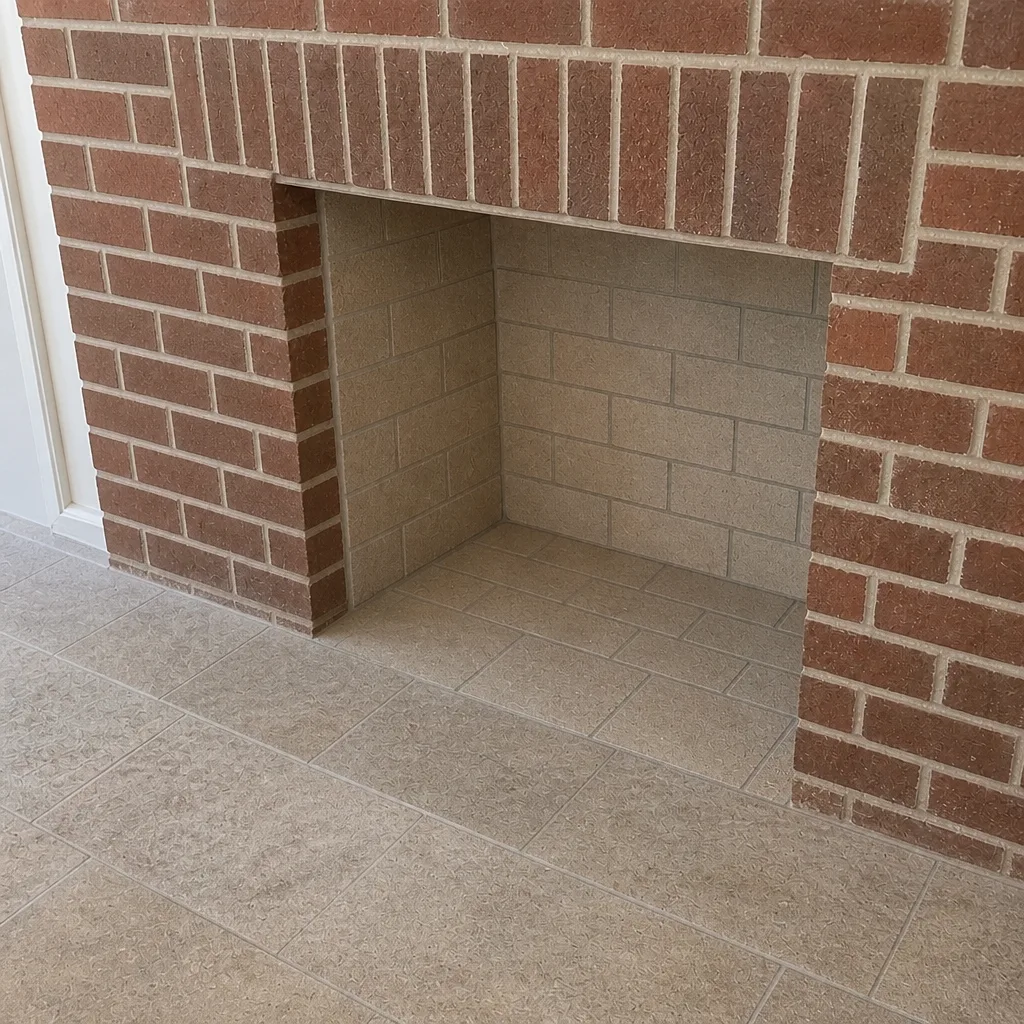
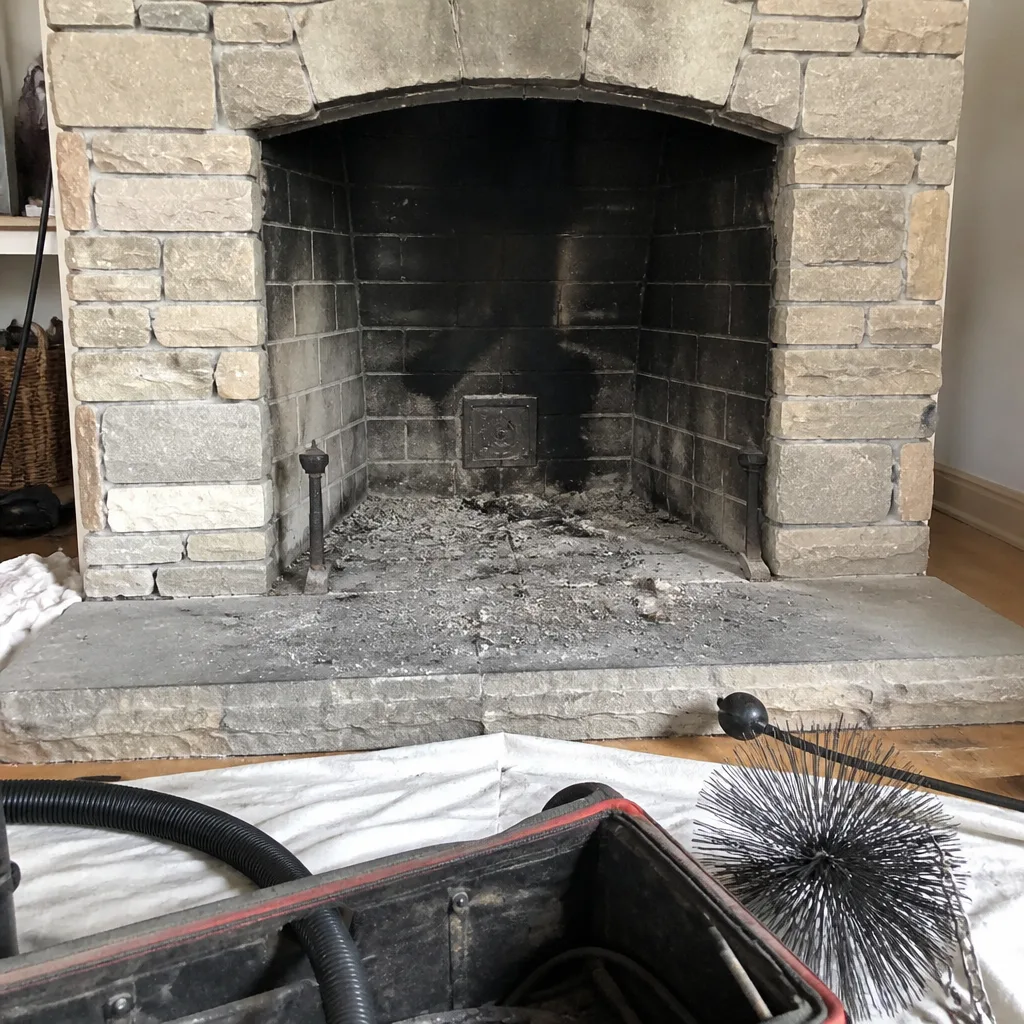
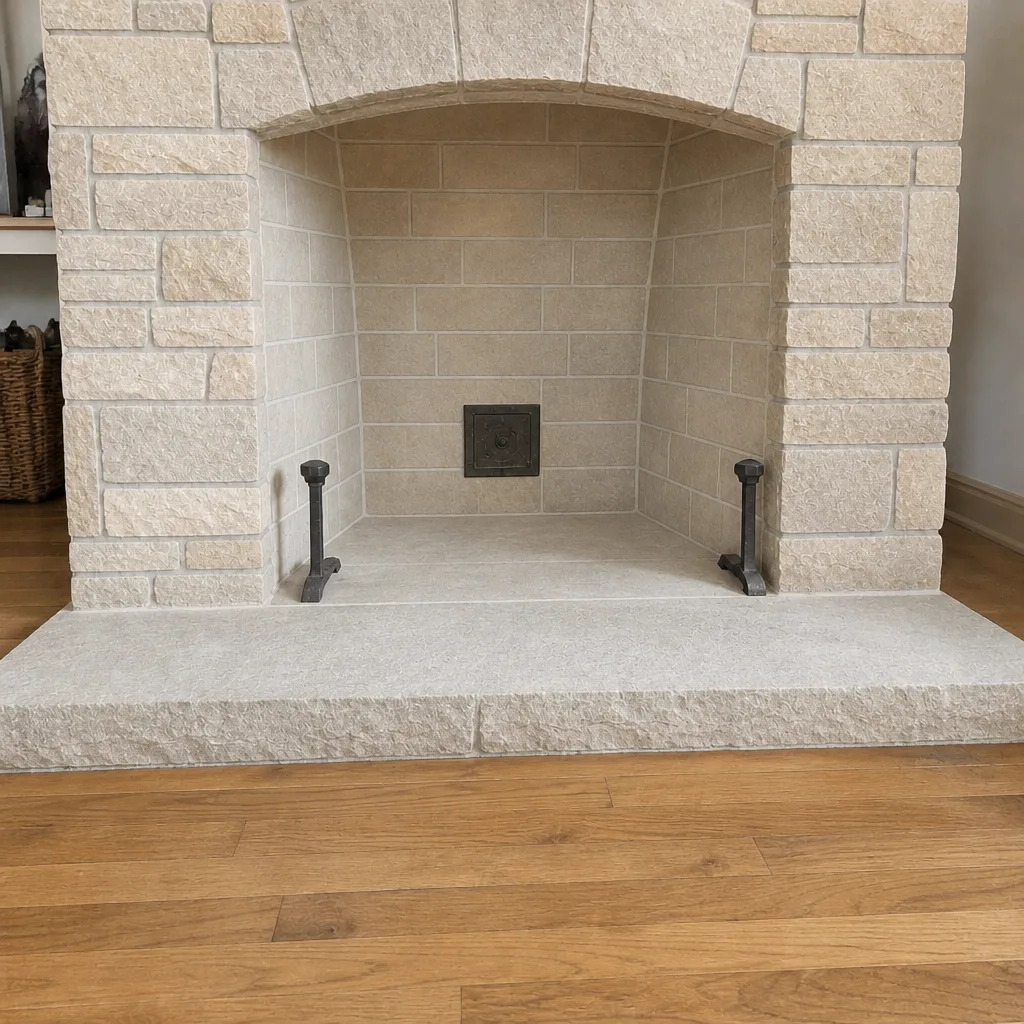
See the difference
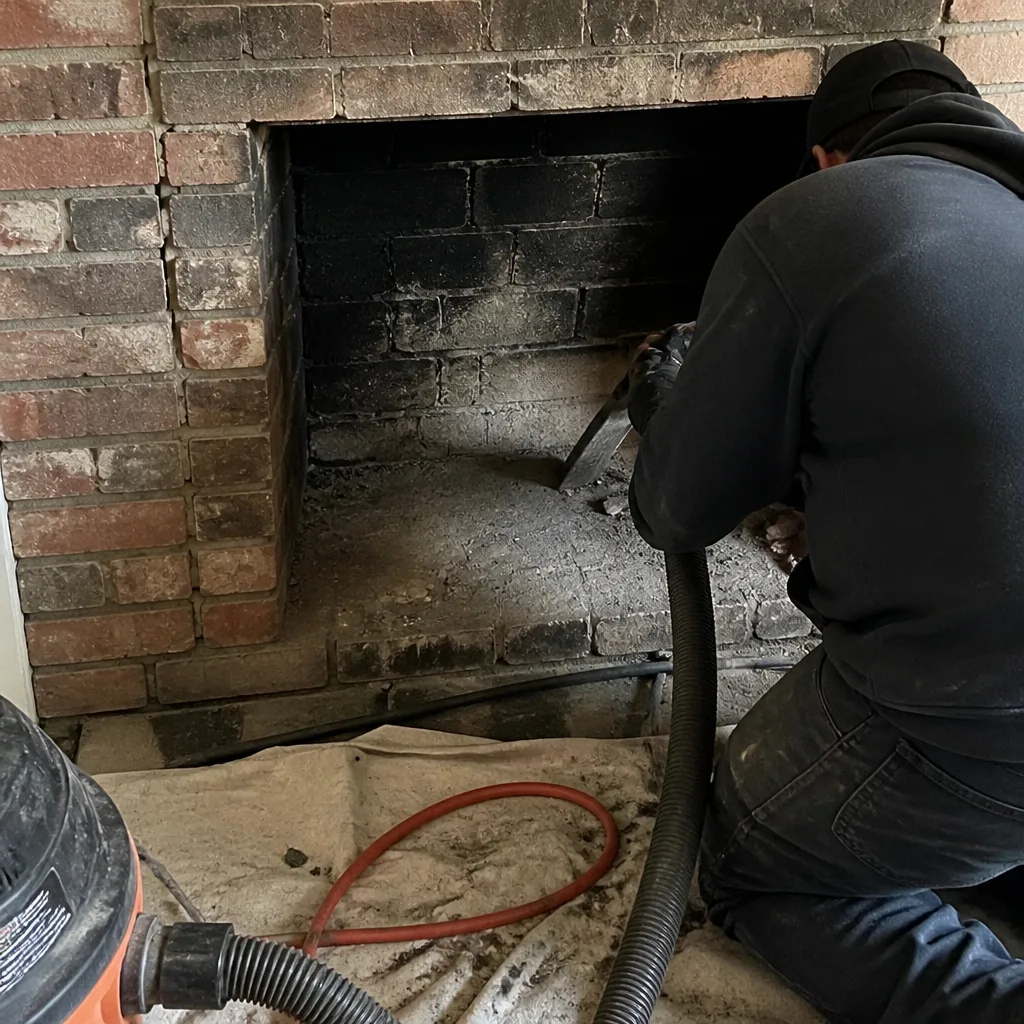 Before
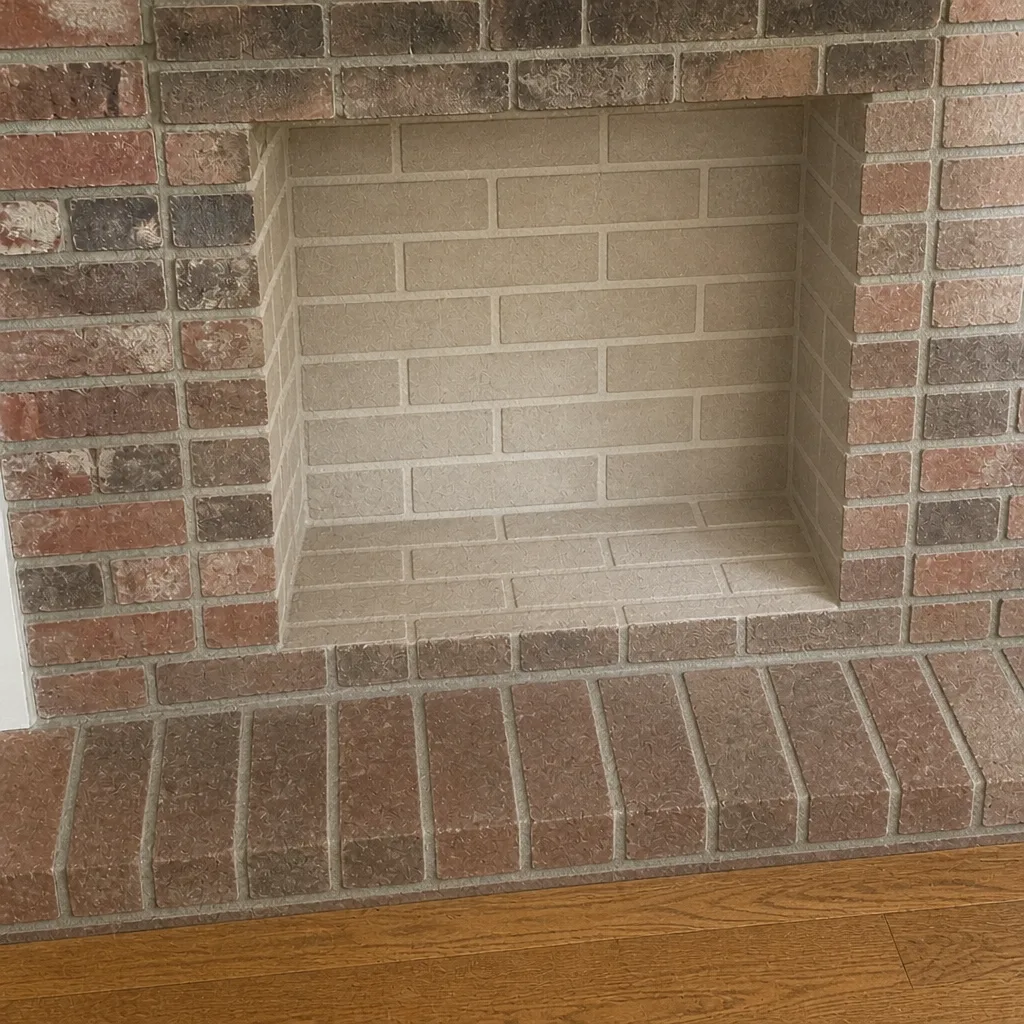 After
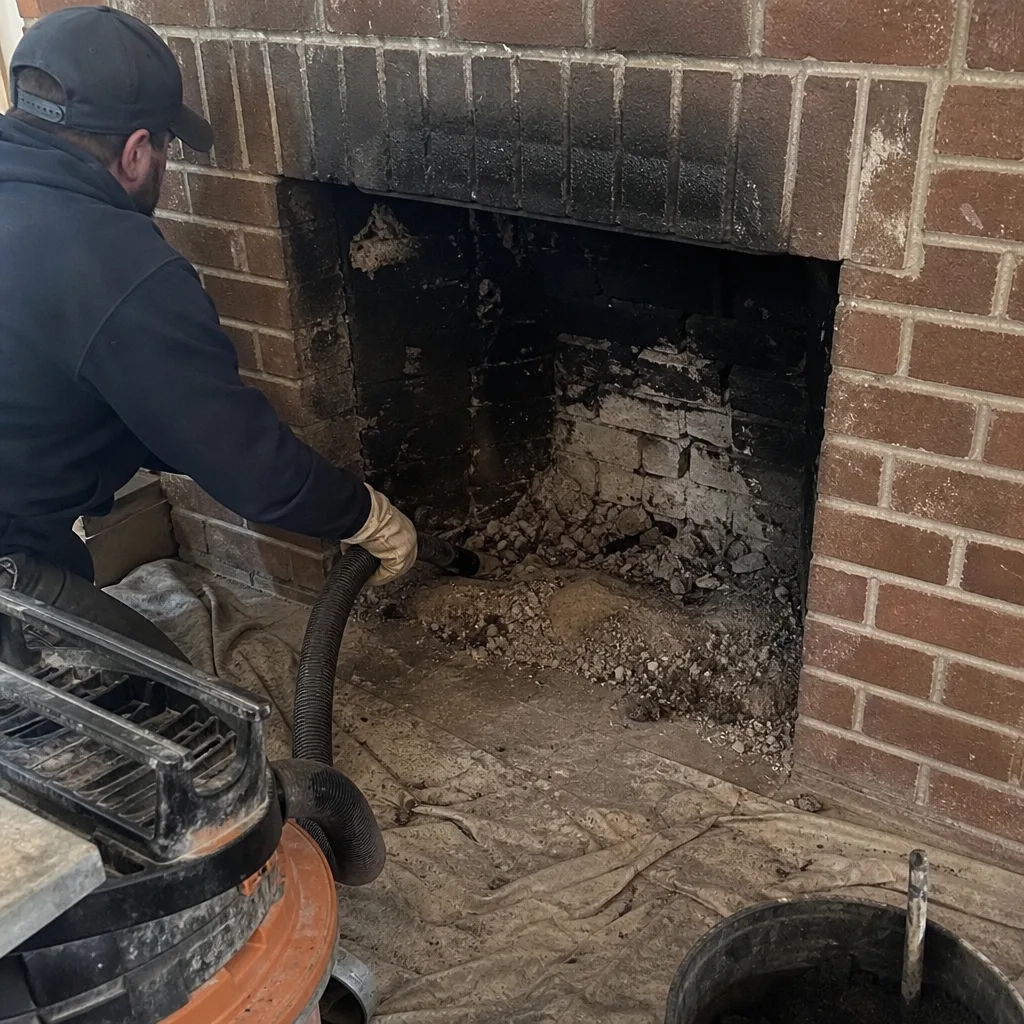 Before
 After
 Before
 After
When to Call a Professional
Most of this schedule you can run yourself. A few signals mean stop checking and call a technician: a strong odor or smoke rolling into the room when you use the fireplace, water staining or efflorescence on the masonry, a cap that’s missing or badly damaged, a crown crack you can see, or any sign the liner is compromised. If you’ve had a chimney fire, even a small one, the flue needs a Level 2 inspection before you burn again. Anything that requires getting on the roof is a call as well, because the fall risk isn’t worth it. And if it’s simply been more than a year since your last sweep or inspection, that’s a reason on its own to book. Chimney Sweep Wheat Ridge offers free estimates in Wheat Ridge. The local pros we connect you with are licensed and insured as their state requires. Call (866) 947-9417 to get on the schedule.
Frequently Asked Questions
Most homes need a sweep once a year, but the right interval depends on how much wood you burn, not how many months have passed. Occasional burners can sweep once in fall. Homes that burn one to two cords need a fall sweep plus a mid-season check, and heavy burners who heat with wood need two sweeps a season. Creosote buildup, not the calendar, sets the interval. Call (866) 947-9417 for an exact quote on a sweep – estimates are free.
Spring is the inspection window that catches winter moisture damage before summer water makes it worse. The freeze-thaw cycle cracks mortar and the crown through April and May, and a spring inspection finds those cracks while they’re still small. A fall inspection only finds the damage after it’s already set. If you book one inspection a year, make it the spring one. Call (866) 947-9417 to schedule a spring Level 2 inspection in Wheat Ridge.
Yes. A gas fireplace produces no creosote, but it still vents combustion gases up a flue liner that’s exposed to the same moisture, freeze-thaw, and settling as any other chimney. A cracked liner on a gas appliance means venting failure and a carbon monoxide risk, so the flue needs an annual inspection even without a sweep. Call (866) 947-9417 to book an inspection – estimates are free.
You can safely check the cap from the ground, scan for visible mortar and brick damage, test the damper at the firebox, and note any smoke or odor when you use the fireplace. Anything involving the flue interior, the liner, or getting on the roof needs a technician, because the flue can’t be seen without a camera and roof work is a fall risk. Call (866) 947-9417 if you want a trained eye on anything you’ve spotted.
The most common signs of water damage are a white powdery bloom called efflorescence on the masonry, water staining inside the firebox, cracked or crumbling mortar, a crown with visible cracks, and spalling brick where the face has flaked off. All of those point to water getting in and freezing. A spring inspection confirms the source and the extent. Call (866) 947-9417 for a free estimate on an inspection and any repair it turns up.
No. A fire in a chimney with a cracked liner or a heavy creosote buildup is a fire hazard, and the freeze-thaw cycle in Wheat Ridge means a chimney can change between seasons. Get a fall sweep before the burning season, and if you burn heavily, check the flue mid-season. If the fireplace smokes into the room or the flue smells strongly, stop burning and call (866) 947-9417 for an inspection.
The Bottom Line
A maintenance schedule is more than an annual sweep. Sweep once in fall based on how much you burn, inspect in spring to catch winter moisture damage before it compounds, check the cap and crown in summer, and assess the liner mid-season if you’re a heavy burner. Gas appliances still need their annual inspection even without creosote. Do the checks you can from the ground, and call a technician for anything inside the flue or up on the roof. One inspection. One team. Everything from the firebox to the crown. If you’re in Wheat Ridge, we’ll help you put the calendar together. Call (866) 947-9417 for a free estimate. We answer 24/7. Fast dispatch from 7am to 7pm, Sunday through Friday.
Written by the team at Chimney Sweep Wheat Ridge.