
Last updated November 24, 2026
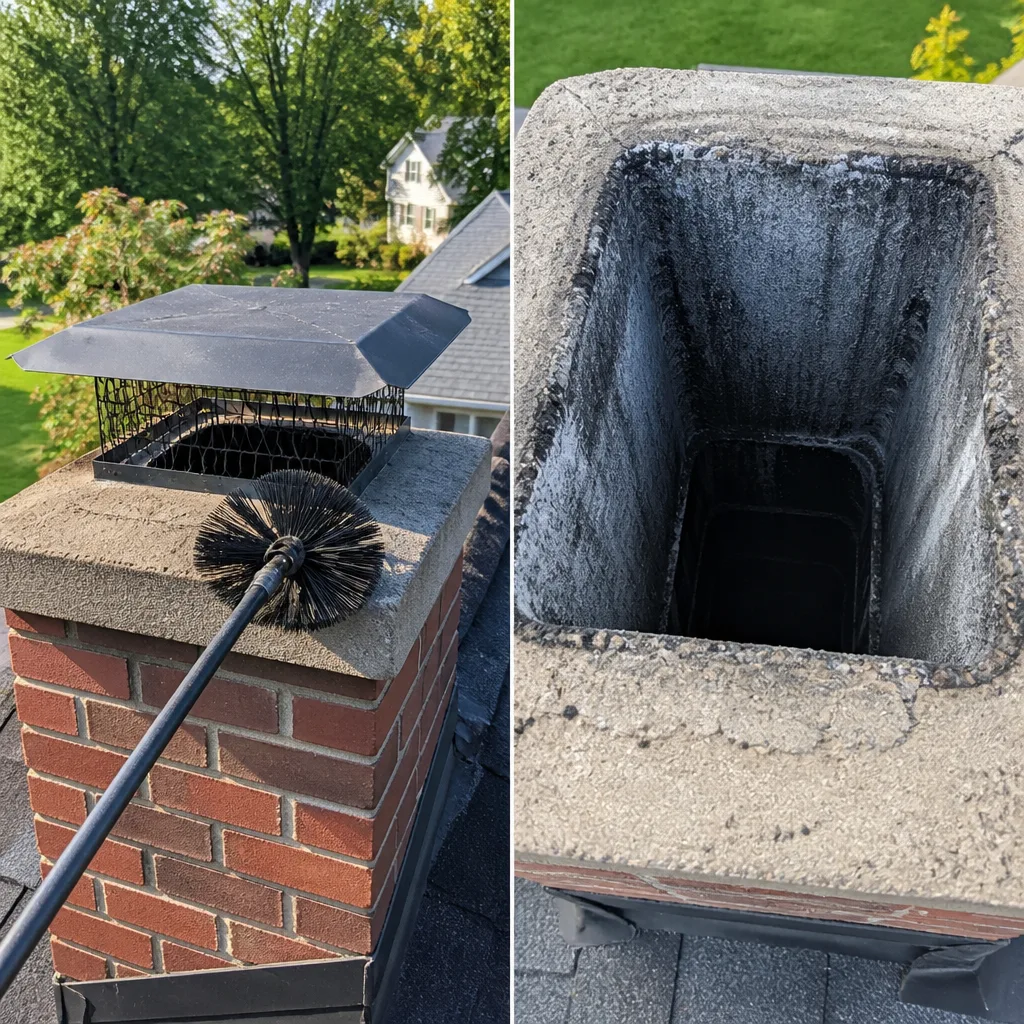 Sweep & inspection
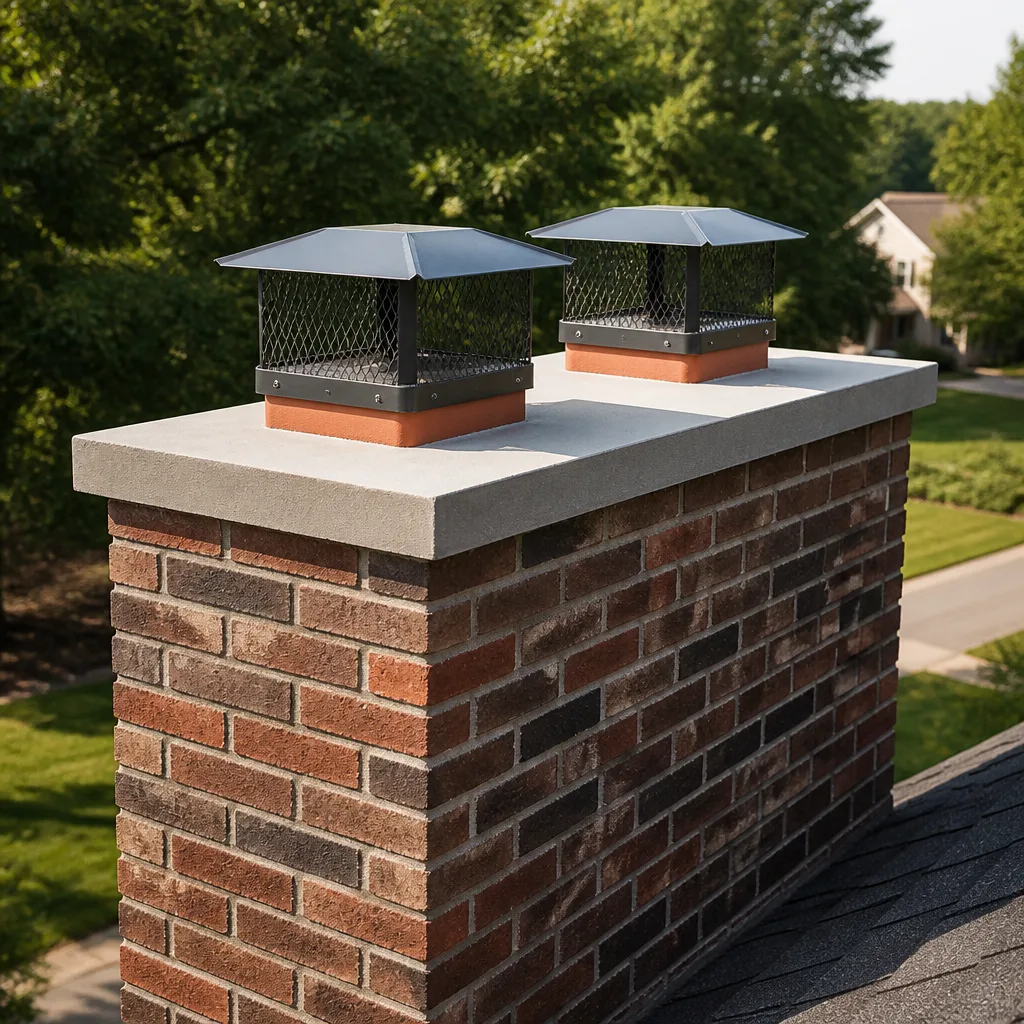 Caps & crowns
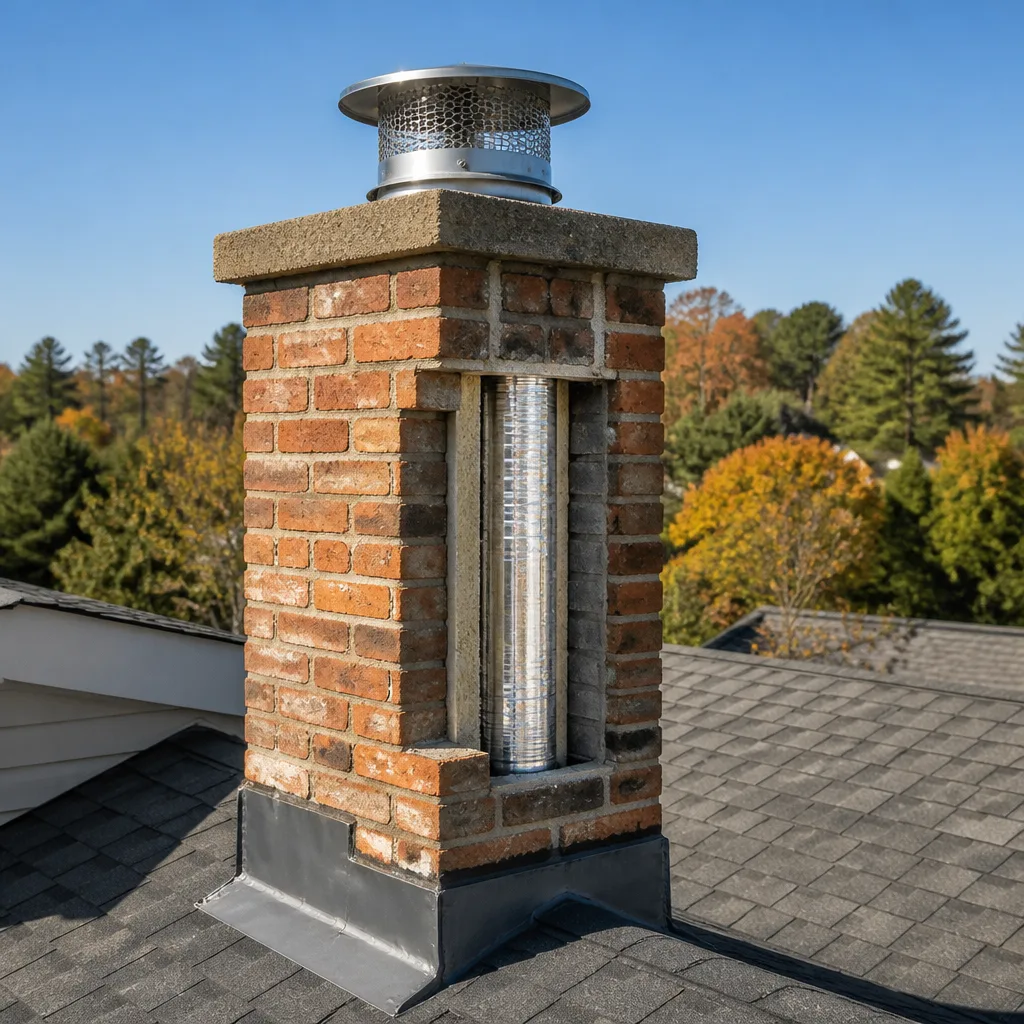 Flue relining
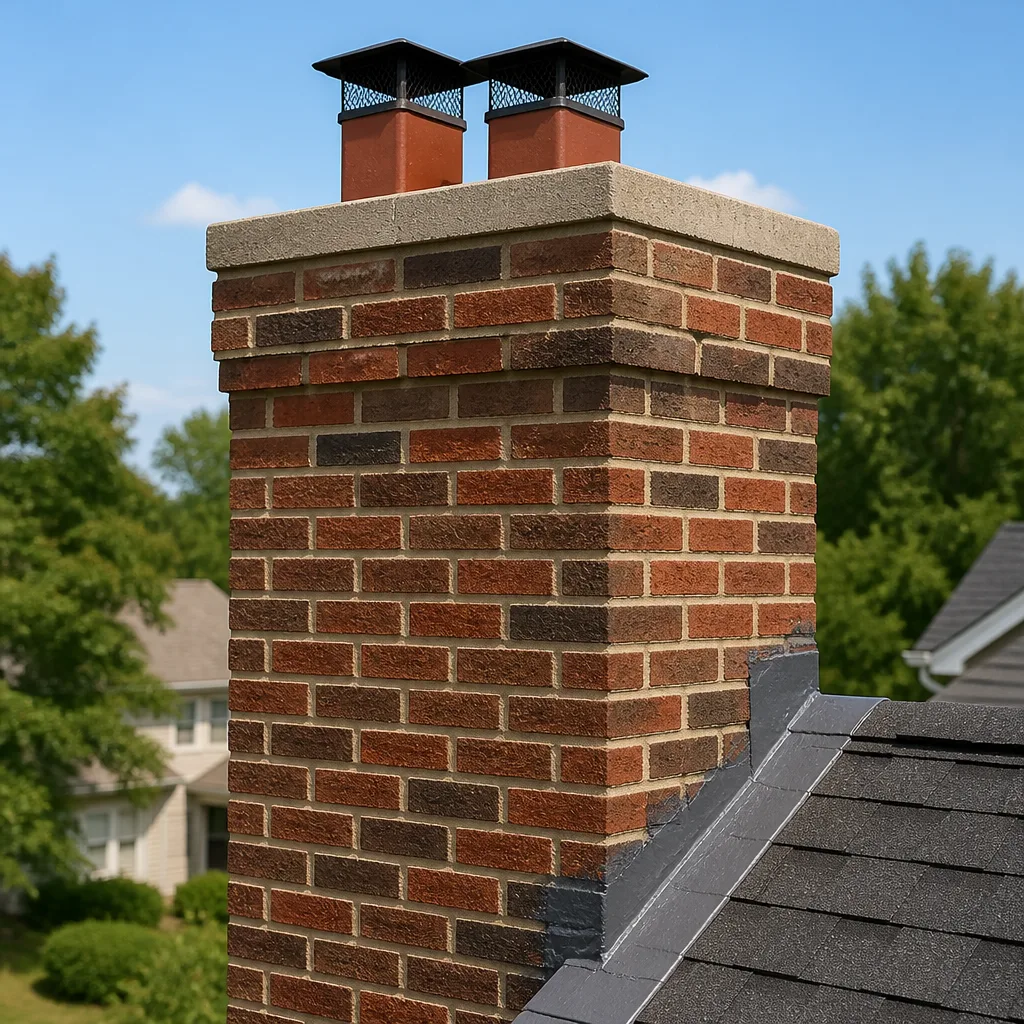 Masonry repair
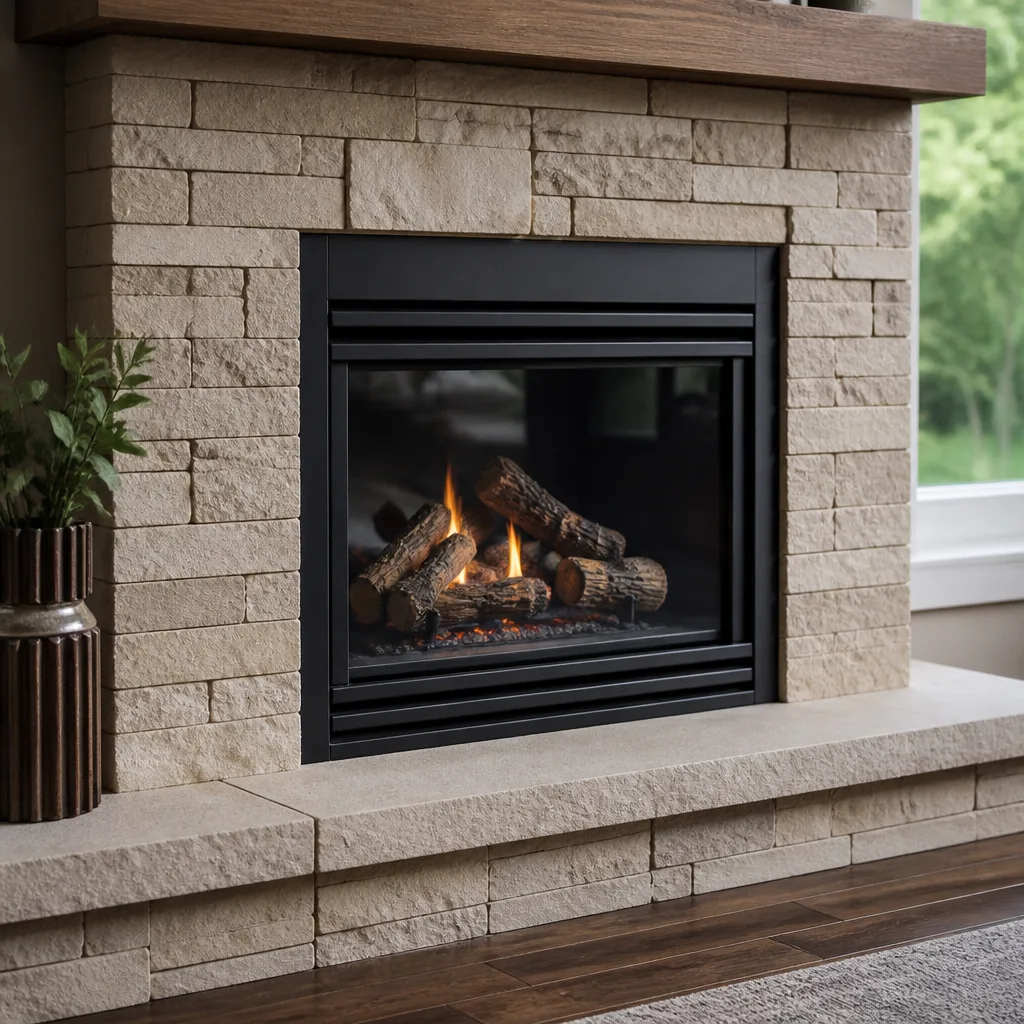 Gas fireplace service
Level 1 sweep and inspection to the NFPA 211 annual standard - flue, crown, cap, and flashing checked and photographed
Chimney sweep logs do not sweep chimneys. They loosen some creosote - which then falls where a brush and vacuum still have to collect it.
Choosing the Right Chimney Cleaning Brand: A Buyer’s Guide for Wheat Ridge
Most homeowners think a chimney sweep is a sweep is a sweep. They book on price, watch a brush go up the flue, pay the invoice, and never learn that the cap on top of their house was a stamped steel unit from a big-box store, the liner patch was an off-brand caulk, and the crown coating was a generic sealer that will craze apart after two winters. The brand decisions behind your chimney matter more than the brushing, because the components a contractor specifies control how the whole system holds up against Wheat Ridge weather. This guide names the products we specify by name, explains what each one does, and shows you how to ask for brands in writing before anyone climbs on your roof.
Quick Answer
The right chimney brands are the ones specified in writing before work starts: a flexible stainless liner rated for your fuel type, a stainless or branded cap like Gelco or Olympia Chimney, a crown coating with real bond strength, and HeatShield ceramic resurfacing when the flue interior is deteriorating rather than simply dirty. In Wheat Ridge, where wind and freeze-thaw punish roof hardware, cheap off-brand components fail faster than the labor that installed them. Ask for brand names on the estimate, and treat vague “premium materials” language as a warning sign.
Styles & brands we work with
- Sweep & inspection
- Caps & crowns
- Flue relining
- Masonry repair
- Gas fireplace service
Table of Contents
- Why chimney brands matter more than most homeowners expect
- Chimney caps: material grades and which profiles handle Wheat Ridge wind
- Chimney liners: flexible stainless, rigid, and HeatShield ceramic repair
- Crown coatings and sealants: bond strength under Colorado freeze-thaw
- Creosote treatments: what Anti-Creo-Soot actually does
- How to ask a contractor to specify brands in writing
- Acceptable substitutions versus cut-rate red flags
- Common mistakes to avoid
Why Chimney Brands Matter More Than Most Homeowners Expect
A chimney is a small piece of construction that lives outdoors in one of the harshest microclimates on the Front Range. Wheat Ridge sits against the foothills, which means wind funnels down off the ridge and hits roof hardware harder than it hits neighborhoods further east. Add the freeze-thaw cycle that Colorado repeats through fall, winter, and spring, and you have a component list where every material choice gets stress-tested every season. The cap, crown, and liner a contractor installs are not decorative. They are the parts that keep water, wind, and animals out of your flue and keep combustion gases going where they belong.
Generalist sweeps often buy whatever the supply house has on the shelf. That is not a knock on their work ethic; it is a description of how a business run on volume keeps costs down. The problem is that the homeowner never sees the difference until the cap rattles loose in a windstorm or the crown cracks and water starts tracking down the masonry. When we quote a job in Wheat Ridge, we write the product by name so you know exactly what’s going into your chimney.
Three things change when a contractor specifies brands in writing:
- You can compare quotes fairly. Two estimates that say “new cap installed” are not the same estimate if one is a stamped steel unit and the other is a stainless branded cap.
- You get a paper trail. Warranty terms follow the product, and the product follows the brand and model on the invoice.
- You can spot a cut-rate bid early. An estimate that refuses to name materials is usually an estimate that plans to use the cheapest thing available.
This is why we work with an identified roster of professional-grade brands, including Chimney Sweep Wheat Ridge service work built around DuraFlex, HeatShield, Gelco, Olympia Chimney, Famco, and Copperfield. Each of those names tells you something about what the material is made of and how long it is expected to last.
Chimney Caps: Material Grades and Which Profiles Handle Wheat Ridge Wind
A chimney cap does three jobs: it keeps rain out of the flue, it keeps birds and squirrels from nesting inside, and it sparks arrest from embers landing on the roof. A cheap cap does none of those jobs well. The stamped steel caps sold at hardware stores are thin, galvanized, and often spot-welded at the seams. Wind flexes them, water gets into the seams, and the welds let go. On an exposed roof in Wheat Ridge, that failure can happen inside a few seasons.
Stainless steel is the material grade to ask for. It resists rust, holds its shape under wind load, and takes a proper mechanical fastener instead of a friction fit. Among the brands we specify, Gelco and Olympia Chimney make caps that hold up to Front Range wind exposure, and Famco offers venting components that pair with the cap when the chimney serves a gas appliance. The profile matters too:
- Single-flue caps with a solid lid and mesh sides work for standard masonry chimneys and give the best protection against driving rain.
- Multi-flue caps span several flues on one crown and need a heavier gauge because they catch more wind.
- Wind-directional caps are engineered to reduce downdraft on chimneys that smoke into the room, but they are only worth the money when a draft problem has actually been diagnosed.
- Top-sealing damper caps combine a cap with an insulated damper that seals at the top of the flue, which cuts heat loss when the fireplace is idle.
Ask what gauge stainless the cap is made from and how it fastens to the flue. A contractor who can answer that without checking a catalog is a contractor who knows the product.
Chimney Liners: Flexible Stainless, Rigid, and HeatShield Ceramic Repair
The liner is the most consequential product in the whole chimney system. It carries flue gases up and out, and it separates those gases from the wood framing in your house. When a liner is cracked, corroded, or missing, the chimney is not safe to use. The good news is that relining is a well-understood job with clear product choices.
Flexible stainless liners
Flexible stainless is the standard for relining an older or non-standard flue, because it can follow the path of a chimney that was never perfectly straight. The alloy matters:
- 304 stainless is the general-purpose alloy. It handles wood-burning appliances and most gas and oil flues under normal conditions.
- 316 stainless is the higher-grade alloy. It resists corrosion better and is the right call for wood-burning appliances that see heavy use or for flues that run through damp masonry.
We install DuraFlex liner systems, a professional-grade flexible liner brand used by certified chimney specialists. The liner is only as good as its insulation and its connection to the appliance, so ask whether the quote includes a full wrap insulation blanket and a proper top plate.
Rigid liners
Rigid stainless sections are appropriate when the flue is straight and square, and when the appliance is a wood stove or insert that needs a specific flue diameter to draft correctly. Rigid sections cost more per foot in material but can outlast everything else in the system.
HeatShield ceramic resurfacing
HeatShield is a ceramic flue resurfacing system, and it fills a gap that most sweeps cannot. When the flue interior is spalling or pitted but the structural masonry is sound, resurfacing rebuilds a smooth, sealed surface without a full reline. We have applicator-level familiarity with HeatShield, which is why we can tell you plainly when resurfacing is the right fix and when it is not. If the masonry itself is failing, no coating will solve it, and we will say so.
If you are still figuring out what your chimney actually needs, start with a proper chimney sweep and inspection. The camera tells the truth, and the truth is what should drive the product decision.
Crown Coatings and Sealants: Bond Strength Under Colorado Freeze-Thaw
The crown is the concrete cap at the very top of a masonry chimney. It sheds water away from the masonry below, and when it cracks, water gets into the brick, freezes, expands, and spalls the chimney apart from the inside. A crown repair is one of the least expensive jobs on the list and one of the most protective.
The product choice is where contractors differ. A generic elastomeric sealer from a paint aisle is flexible and easy to apply, but it bonds weakly to a chalky, weathered crown. It peels after a couple of seasons, and the crack reopens. CrownCoat and comparable purpose-made crown coatings are formulated to adhere to prepared masonry, move with the small seasonal shift in a crown, and stay bonded through the freeze-thaw cycling that repeats across a Wheat Ridge winter.
Application technique matters as much as the product:
- The old crown is cleaned of loose material and any failing sealer.
- Cracks are filled and the surface is prepped so the coating has something to grip.
- The coating is applied at the manufacturer’s specified thickness, not thinned to stretch a can.
- The crown is checked for proper slope so water runs off instead of pooling.
A coating applied over a dirty crown is a coating that will fail. Ask how the surface will be prepped before the product goes on.
Creosote Treatments: What Anti-Creo-Soot Actually Does
Creosote is the tar-like residue that condenses inside a flue when wood burns inefficiently. It comes in stages, from a light soot to a hardened, glazed crust, and the glazed stage is the one that fuels chimney fires. Chemical creosote treatments like Anti-Creo-Soot are sold as powders or liquids that get added to the fire and travel up with the smoke, where they react with the deposit on the flue walls.
What these products actually do is modify the creosote. They make a hardened, glazed deposit softer and more brittle, so that a sweep can remove it with a brush instead of a rotary tool. That is a meaningful difference when a flue has heavy glazing, because the alternative is aggressive mechanical work that can damage older masonry.
What these products do not do is replace a cleaning. A treatment applied to a dirty chimney does not remove the deposit, does not make the flue safe on its own, and does not protect you from a chimney fire. It is a preparatory step, not a substitute. We use chemical treatments when the camera inspection shows glazed creosote that will respond, and we schedule the sweep after the treatment has had time to work. If a contractor sells you a creosote treatment as an alternative to sweeping, that conversation should end there.
The most effective creosote control is still the least glamorous one: burn dry, seasoned wood, avoid smoldering fires, and have the flue swept on schedule. For the standalone service, see our chimney sweep page for what a typical visit involves. For a full rundown on frequency, our sweep team can tell you what your burning habits actually call for.
How to Ask a Contractor to Specify Brands in Writing
You do not need to be a chimney expert to protect yourself. You need a written estimate that names products, and you need the discipline to compare line by line. Here is the sequence we recommend to every homeowner in Wheat Ridge who is collecting quotes:
- Ask for the inspection findings first. A written report with the camera photos should come before any product is discussed. If a contractor quotes a liner without showing you why, ask to see the evidence.
- Request the product name and model on the estimate. “New stainless liner” is not specific enough. You want the brand, the alloy, and the liner diameter.
- Ask what warranty applies to each component. The product warranty follows the product, so a named brand with a written warranty is worth more than an unnamed product with a verbal promise.
- Ask how the work will be done. A cap installed with the wrong fastener will not stay put in a Wheat Ridge windstorm. A crown coating applied over a dirty surface will peel. The method matters as much as the material.
- Get the estimate in writing before work begins. Free estimates are standard, and the written estimate is what sets the final price. If a contractor will not put the product names on paper, that is your answer.
For repair work that goes deeper than maintenance, the same rule applies. Our fireplace repair and chimney repair work is quoted with the same product specificity, because a repair without a named material is a repair you cannot compare.
Acceptable Substitutions Versus Cut-Rate Red Flags
Not every substitution is a warning sign. Supply chains shift, and sometimes a named product is on backorder. A contractor who calls you to explain the substitution and gives you the equivalent spec is doing the right thing. The line between acceptable and cut-rate comes down to whether the substitute meets the same performance standard.
These substitutions are usually fine when the contractor explains them in advance:
- A different brand of stainless cap with the same gauge and the same fastener type as the one quoted.
- A different stainless liner brand with the same alloy and the same insulation wrap.
- A purpose-made crown coating from a comparable manufacturer, applied with the same prep and thickness.
These substitutions should raise your eyebrows:
- Stainless quoted and galvanized installed. The price difference is real, and so is the difference in lifespan.
- A liner quoted with insulation replaced by a bare liner “because it fits better.”
- A crown coating swapped for generic roof sealer.
- Any material mentioned by brand in the sales conversation but not written on the estimate.
The honest version of the conversation is short: the contractor names the substitute, explains why, and lets you decide before the work starts. A contractor who makes that substitution silently has told you something about how they will handle every other decision on the job.
Common Mistakes to Avoid
- Buying on price alone. A low bid with no named products is a bid that plans to use the cheapest materials available. Compare quotes on what is actually being installed, not just on the total.
- Approving a liner without seeing the camera evidence. If the contractor won’t show you the photos, you have no way to verify that the liner is necessary. Ask to see the flue on screen before you sign anything.
- Assuming a hardware-store cap will do. The stamped steel cap may fit in the store, but it may not hold up to a Wheat Ridge wind funneling off the foothills. Ask for the stainless gauge.
- Letting the crown go unrepaired. A cracked crown lets water into the masonry, and in a freeze-thaw climate that water spalls the brick apart from inside. A crown repair is cheap; masonry rebuilds are not.
- Using a creosote treatment as a substitute for sweeping. Chemical treatments modify the deposit so a sweep can remove it. They do not remove it for you, and they do not make a dirty flue safe.
- Hiring a sweep who paints the masonry without diagnosing the cause. Fresh paint over failing mortar or a leaking crown hides the problem until the next season. Ask what caused the deterioration before anyone suggests a coating.
- Skipping the inspection because the sweep looked clean. A clean flue is not the same as a sound one. A camera inspection checks the joints, the liner, and the crown in one visit.
See the difference
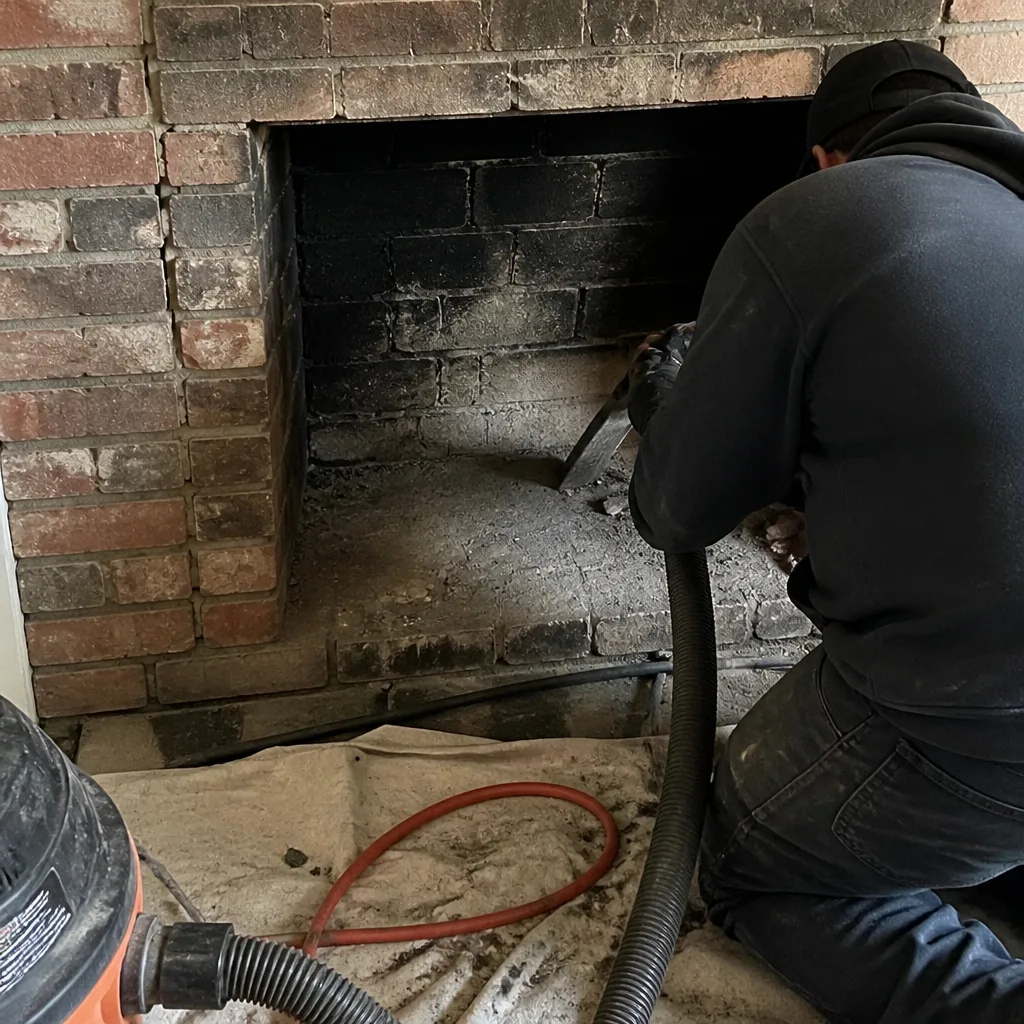 Before
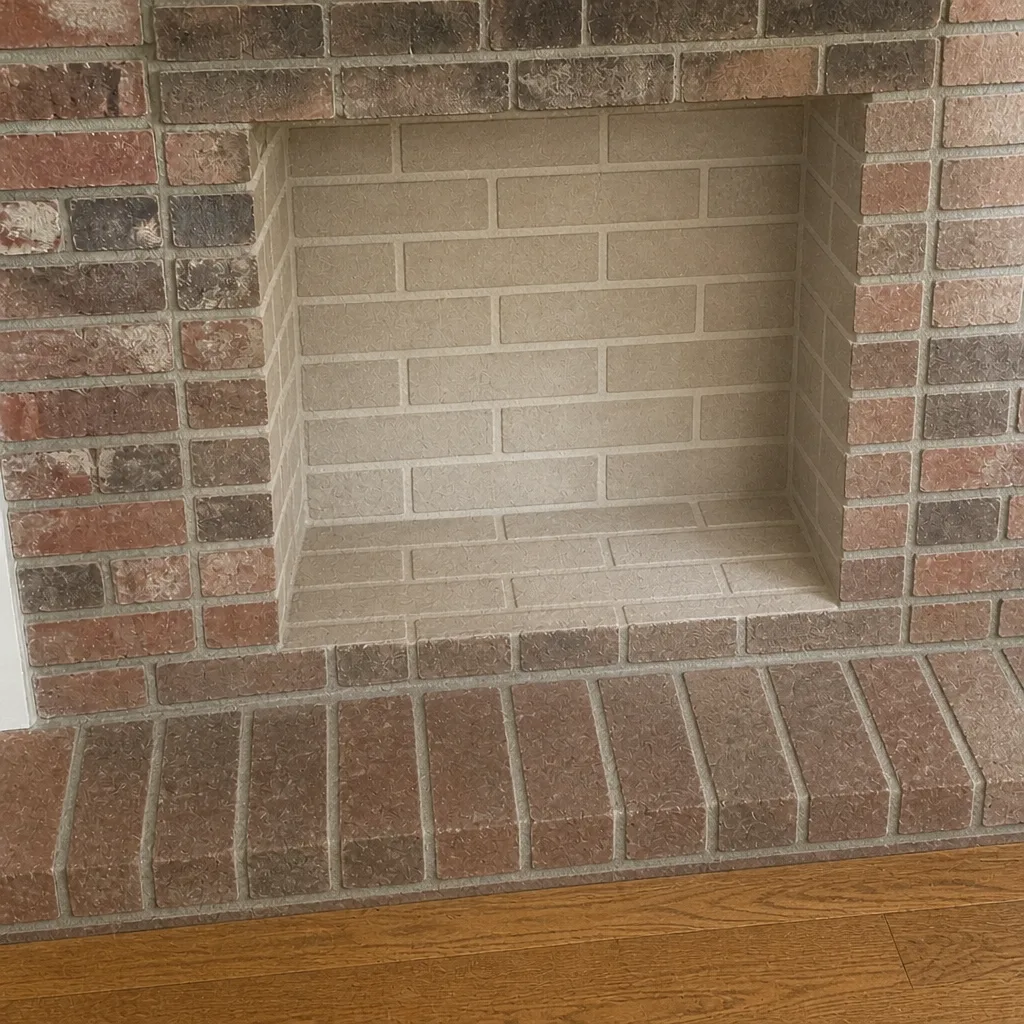 After
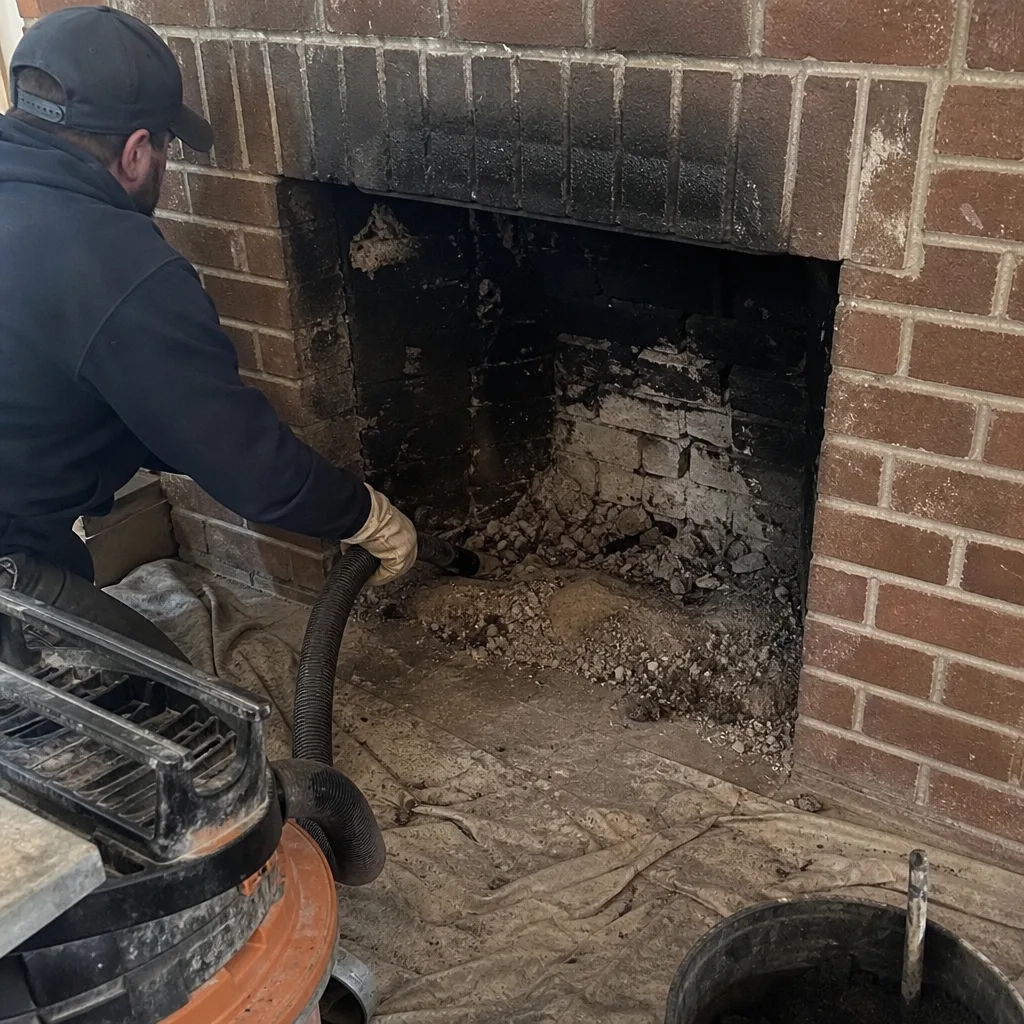 Before
 After
 Before
 After
When to Call a Professional
Some chimney issues can wait a season. Others should not. Call a professional if you smell a strong smoky or creosote odor inside the house when the fireplace is not in use, if the fire smokes into the room instead of going up the flue, if you can see cracked or missing mortar on the chimney exterior, if the crown has visible cracks, or if it has been a full burning season since the last sweep. If your chimney has no liner at all, or if the liner is visibly cracked or rusted through, stop using the fireplace until it is inspected. Those conditions are not cosmetic. Chimney Sweep Wheat Ridge offers free estimates in Wheat Ridge, and we’ll show you what the camera finds before anyone recommends a repair. Call (866) 947-9417.
Frequently Asked Questions
Ask for a stainless steel cap from a brand the contractor can name on the estimate, such as Gelco, Olympia Chimney, or Famco. The specific brand matters less than the material grade and the fastener type. A cap that meets the stainless and fastener spec will hold up in Wheat Ridge wind, while a stamped steel hardware-store cap will flex and fail at the seams.
HeatShield is the right choice when the flue interior is deteriorating but the structural masonry is sound, because it rebuilds a smooth, sealed ceramic surface without removing the existing liner. It is not a substitute for a new liner when the flue is missing a liner, cracked through, or structurally failing. The camera inspection tells you which case you are in, and the right repair follows from that. Call (866) 947-9417 for a free estimate if you want to know which one your chimney needs.
316 stainless is the higher corrosion resistance alloy and is the better choice for heavy wood burning or a flue running through damp masonry. 304 stainless is fine for most gas and oil flues and for wood-burning appliances under normal use. The fuel type and the appliance should be the deciding factors, and your estimate should name the alloy.
No. A creosote treatment modifies glazed deposit so it becomes brittle enough for a sweep to remove, but it does not remove the deposit itself. It is a preparatory step before cleaning, not a replacement for it. A contractor who sells you a treatment as an alternative to sweeping is cutting a corner. Call (866) 947-9417 for a free estimate and we’ll tell you whether a treatment is the right call.
A purpose-made crown coating like CrownCoat, applied over a properly prepared surface at the manufacturer’s specified thickness, is the right choice. Generic roof sealers bond weakly to weathered masonry and peel after a couple of seasons. Prep and thickness matter as much as the product, so ask how the surface will be prepped before the coating goes on.
The substitution is acceptable when the contractor tells you in advance, explains the reason, and the substitute meets the same specification, such as the same alloy, same gauge, or same insulation. It is not acceptable when a stainless component is swapped for galvanized, insulation is dropped, or the swap is made silently. The specification is what you paid for, and the substitute should match it. Call (866) 947-9417 for a free estimate in Wheat Ridge.
The Bottom Line
The brands behind your chimney components are not marketing detail. They are the difference between a cap that survives a foothills windstorm and one that rattles loose, a liner that outlasts the appliance and one that corrodes, a crown coating that bonds through freeze-thaw and one that peels. Ask for product names in writing, ask for the alloy, the gauge, and the prep method, and ask to see the camera evidence before any repair is recommended. If a contractor can answer those questions without checking a catalog, you are in good hands. If a contractor avoids them, keep shopping. Our technicians have up to 8 years of experience, and we name the products we install so you know what is going into your home. Call (866) 947-9417 for a free estimate.
Written by the team at Chimney Sweep Wheat Ridge.