
Last updated November 24, 2026
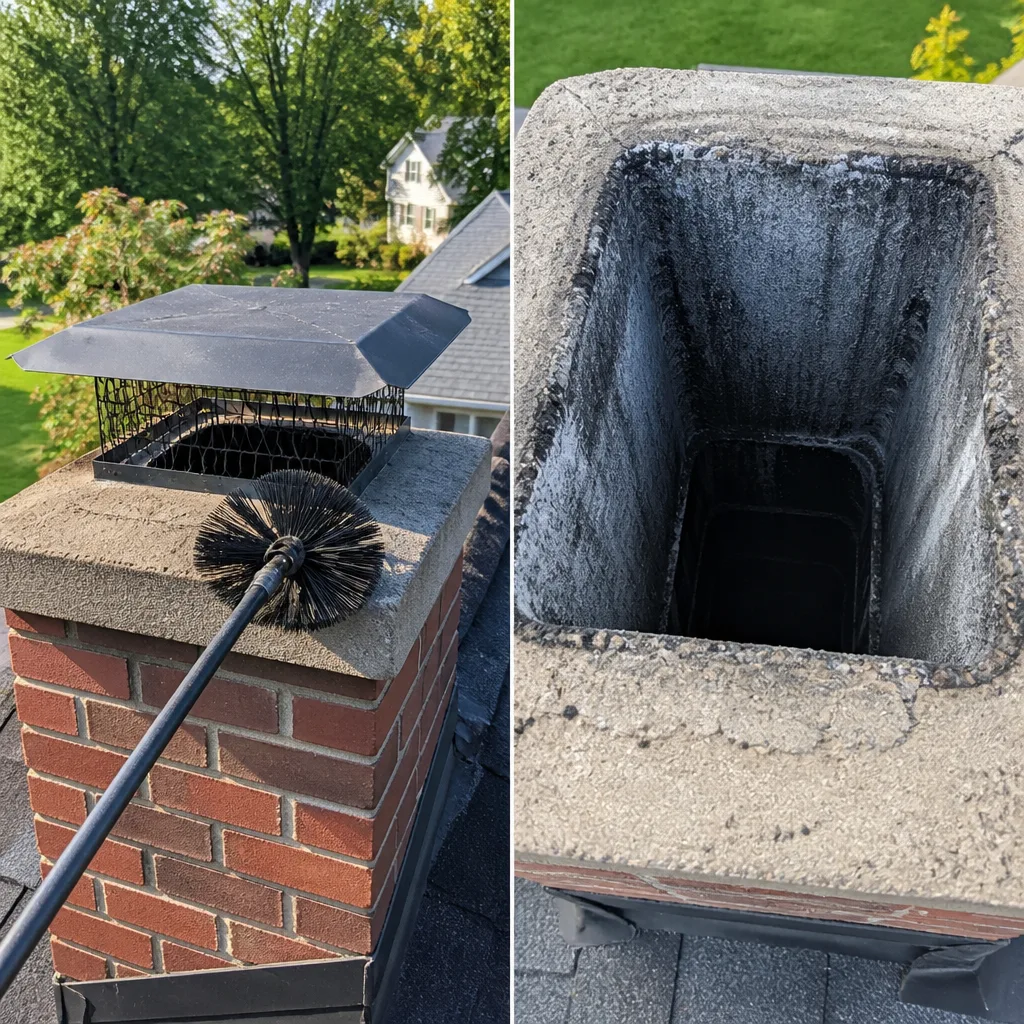 Sweep & inspection
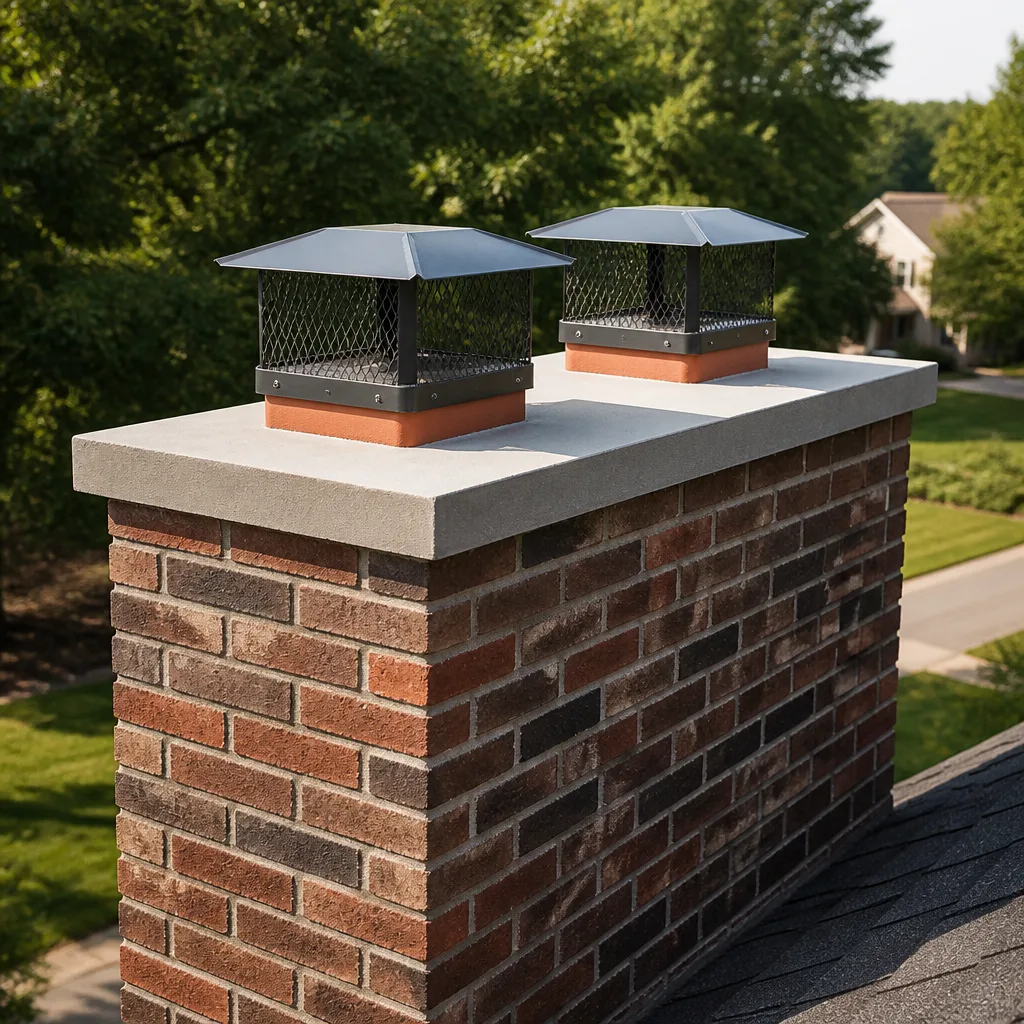 Caps & crowns
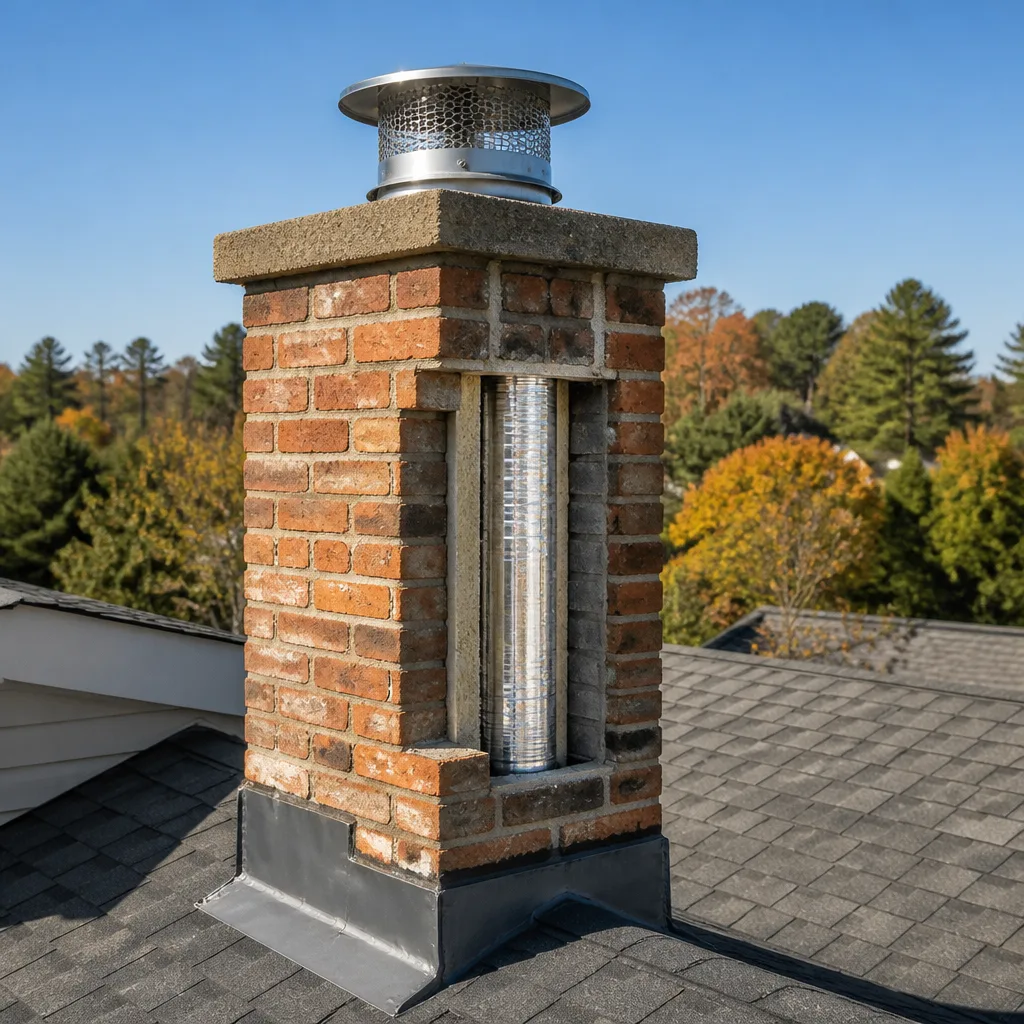 Flue relining
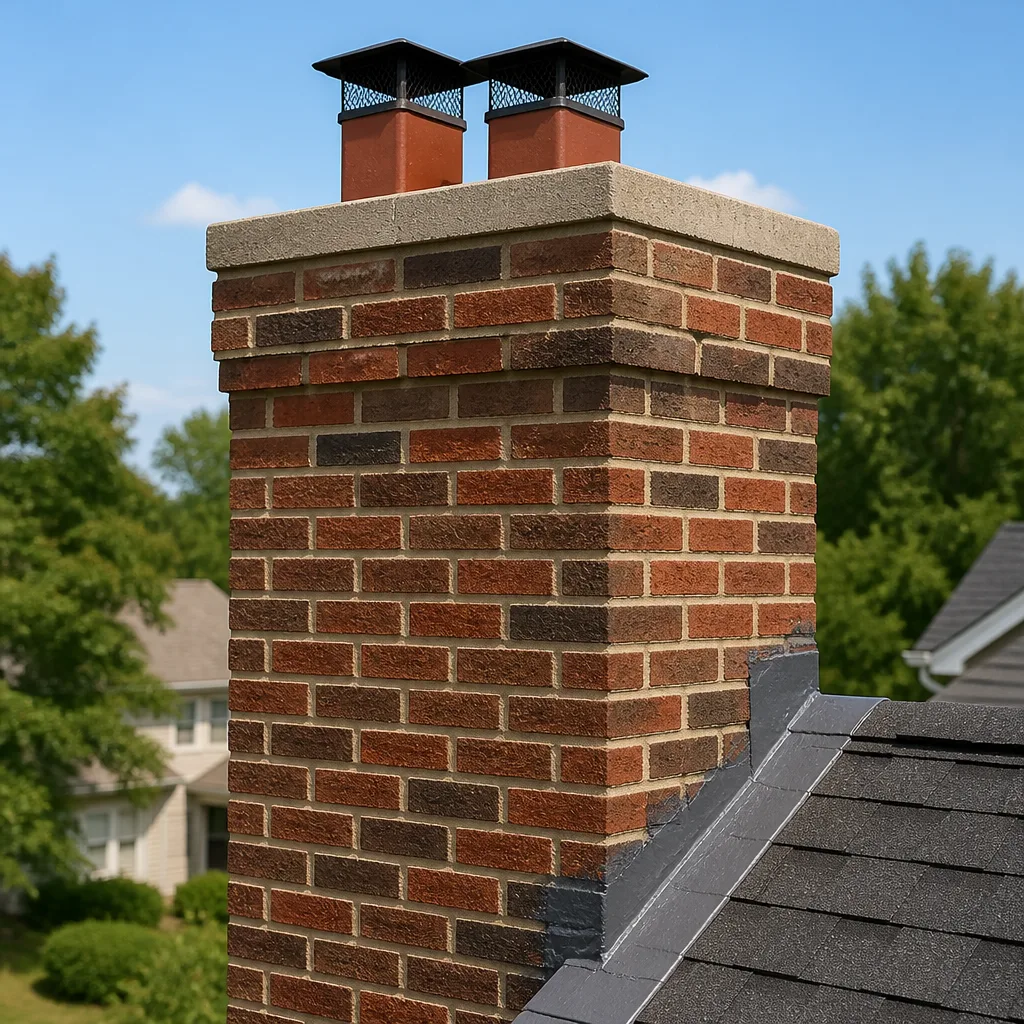 Masonry repair
 Gas fireplace service
Level 1 sweep and inspection to the NFPA 211 annual standard - flue, crown, cap, and flashing checked and photographed
Chimney sweep logs do not sweep chimneys. They loosen some creosote - which then falls where a brush and vacuum still have to collect it.
DIY vs Professional Chimney Cleaning: The Wheat Ridge Homeowner’s Decision Guide
Running a brush up a flue is not difficult. Plenty of Wheat Ridge homeowners have done it, and some do it well enough to knock down the loose soot that builds between fires. But cleaning a chimney and knowing whether that chimney is safe to use are two different jobs. The brush doesn’t tell you what stage the creosote is in, whether the clay tiles behind it have cracked, or whether the smoke chamber above the damper has lost its parging. Those three things are what actually cause chimney fires, and none of them show up in a bucket of sweepings. In this guide we’ll walk through what DIY cleaning honestly accomplishes, where it stops, and how the older housing stock in Wheat Ridge changes the math.
Quick Answer
DIY chimney cleaning removes surface soot and light ash, but it cannot classify creosote stage, inspect liner integrity, or assess a smoke chamber, which are the three failure points most likely to cause a chimney fire. A professional cleaning pairs rotary equipment with a camera inspection, so what gets cleaned also gets evaluated. For a wood-burning chimney in Wheat Ridge, cleaning without inspection leaves the most important question unanswered.
Styles & brands we work with
- Sweep & inspection
- Caps & crowns
- Flue relining
- Masonry repair
- Gas fireplace service
Table of Contents
- What a Brush Actually Removes, and What It Leaves Behind
- The Three Stages of Creosote and Why Stage Matters
- The Equipment a Professional Brings That You Can’t Replicate
- Why Wheat Ridge’s Older Housing Stock Raises the Stakes
- When DIY Cleaning Is a Reasonable Interim Measure
- When DIY Creates False Confidence and Delays Repair
- The Real Cost Comparison, Inspection Included
- A Step-by-Step Way to Decide
What a Brush Actually Removes, and What It Leaves Behind
A chimney brush is a scraping tool. Run it down the flue and it lifts loose soot, ash, and the softer creosote deposits off the flue walls. For a chimney that’s been swept in the last year or two and burned clean, dry wood, that’s meaningful maintenance. It keeps the flue from accumulating enough fuel load to matter. Honest enough.
What the brush does not do is adapt. Round brushes on a flexible rod follow the general shape of the flue but skip the corners, the offset joints, and any spot where the tile geometry changes. A flue that shifts at a transition – which is common in mid-century Wheat Ridge homes where the original chimney was built into an addition – has ledges a homeowner brush slides right past. Soot collects there. Over several seasons, it hardens.
There are three categories of deposit a brush can’t reliably touch:
- Glazed creosote. Once creosote hardens past a certain point, a brush skates over it. Chemical treatment and, in serious cases, rotary mechanical removal are the only ways through.
- Smoke chamber glaze. The sloped shelf above the damper gathers creosote in a way the flue above it doesn’t, and many homeowner brushes never get up into that chamber at all.
- Firebox and damper assembly grime. The firebox, damper frame, and the shelf around the damper are the hottest, dirtiest part of the chimney. Brushing the flue does nothing for them.
All three of those are where fires start. The brush gets the flue. It doesn’t get the rest of the system. That’s the honest limitation, and it’s the starting point for any real comparison.
The Three Stages of Creosote and Why Stage Matters
Creosote is not one substance. It changes as it accumulates and as it’s repeatedly heated, and the stage it has reached determines what cleaning method actually works. A professional sweep classifies creosote on sight because the treatment depends on it. A homeowner with a brush usually can’t tell stage from texture alone, and the difference is significant.
Here’s how the stages break down:
- Stage 1: soot and light flaky deposits. This is the surface layer a brush handles well. It’s the stage most chimneys sit at if they’re swept every season or two and burned with dry wood. Routine cleaning works here.
- Stage 2: hardened, crusty deposits. This is where the brush starts failing. Stage 2 creosote bonds to the flue wall and comes off in flakes when scraped, if it comes off at all. A rotary cleaning system with a poly or wire head spins against it and breaks it loose. A hand brush mostly polishes it.
- Stage 3: glazed, shiny, tar-like creosote. The most dangerous stage. Stage 3 creosote has been re-melted and re-hardened enough times that it fuses to the flue as a hard, glassy layer. It’s highly combustible, and it burns hot enough to crack tile liners. A brush won’t touch it. Chemical creosote treatments soften the glaze over time, and rotary mechanical removal finishes the job. Stage 3 creosote is a professional-only situation, full stop.
In our experience, most homeowner-brushed chimneys in Wheat Ridge that we inspect for the first time are sitting at a mixed stage 2, with glaze starting in the upper flue where the flue runs cooler. The chimney gets brushed, the surface looks clean, and the glaze stays on the wall for another season. That’s the quiet failure mode of DIY cleaning.
The Equipment a Professional Brings That You Can’t Replicate
Comparing a homeowner brush kit to a professional sweep is not really fair to the brush kit, and it’s worth being specific about why. Professional cleaning isn’t just a bigger brush. It’s a different set of tools built for different problems.
Rotary cleaning systems
A rotary sweep spins a whip or chain head on a flexible shaft at high speed. The centrifugal force scrapes creosote off the flue wall from every angle, including the corners and offset joints a hand brush skips. Rotary heads come in different diameters and materials, and matching head to flue is part of the craft. A tile flue gets a different head than a stainless liner. Getting it wrong damages the liner.
Flexible camera scopes
This is the big one. A chimney camera is a lit, flexible scope that goes up the flue and shows what the flue wall looks like behind the soot. Cracks in clay tile, gaps at the joints, spalled masonry, and the interior condition of a metal liner are all invisible to the eye at the firebox. They’re obvious on camera. A camera inspection is the difference between cleaning a flue and knowing whether the flue should be cleaned, repaired, or relined. Most chimney professionals include a video inspection with a cleaning because without it, the cleaning doesn’t actually tell them anything.
Chemical creosote treatments
Stage 2 and stage 3 creosote respond to chemical treatment. A creosote conditioner or glaze-dissolving powder works on the deposits over a period of days, breaking the bond with the flue wall so a rotary head can remove what’s left. Homeowners can buy treatment products online, but knowing which stage the creosote is at and which treatment to apply is the part that’s actually hard. Applying the wrong treatment to the wrong stage wastes the product and delays the real repair.
Beyond those three, professional equipment includes drop cloths sized for the room, HEPA vacuum systems that capture fine ash rather than blowing it back into the house, sealing equipment for the top of the flue, and a full inspection checklist. When you hire the right local pro, the sweep is licensed and insured as their state requires, and a flat price is agreed before any work starts. The flat-price agreement matters because it separates the cleaning fee from repair recommendations – you’re not paying for the sweep and being sold a liner in the same breath.
Why Wheat Ridge’s Older Housing Stock Raises the Stakes
Wheat Ridge has a lot of housing from before 1970. That’s relevant here because of what those homes were built with. Much of the housing stock from the 1940s through the 1960s used clay tile chimney liners – stacked terra cotta flue tiles held together with mortar joints. These liners were designed for open fireplaces burning wood, and they were generally good at that job. What they weren’t engineered for is decades of heating and cooling cycles, or for the retrofit gas inserts that many homeowners have added since.
Two things happen to clay tile over time in a climate like Wheat Ridge’s. First, the freeze-thaw cycles along the Front Range work on the exterior chimney stack – the mortar joints above the roofline open up, water gets in, and the tile at the top of the flue spalls. Second, repeated heating and cooling of the flue causes hairline cracks in the tile itself, usually at the joints. Those cracks are exactly where a chimney fire spreads from the flue into the framing around the chimney chase. The tile looks fine from the firebox. It’s not.
Retrofitted gas inserts complicate it further. A lot of older Wheat Ridge homes have had a gas insert set into an original wood-burning fireplace, and the venting for that insert runs inside the original clay liner. The fit is often imperfect, and the venting can dump moisture onto the clay that wouldn’t otherwise be there. Whether the insert is properly vented and whether the surrounding clay is still intact is a camera question, not a brush question.
Compare that to a newer build with a stainless liner and a modern cap assembly. Newer chimneys fail too, but they fail visibly. Older clay tile fails from the inside out. If you’re cleaning a pre-1970 Wheat Ridge chimney yourself, you’re probably cleaning a liner that hasn’t been looked at from the inside in decades. For a full picture of your options, our chimney repair service covers everything from crown work to relining, but the diagnosis comes first.
When DIY Cleaning Is a Reasonable Interim Measure
We’re not going to tell you a homeowner can never touch a chimney brush. There are situations where a DIY cleaning is a reasonable stopgap, and being honest about those is part of why this decision is worth making carefully.
Reasonable interim situations:
- You’ve had a professional inspection recently and the chimney was cleared. If a camera inspection in the last year or two confirmed the liner is sound and the creosote was at stage 1, a mid-season brush to clear soot is unlikely to hurt anything.
- You’re between professional cleanings and the chimney has had low use. A few fires a year won’t build creosote fast. If you’re brushing soot off before the next season and you know the system was inspected recently, the risk is low.
- You’re clearing ash and soot from the firebox floor and damper shelf area. This is housekeeping. A shop vac with a HEPA filter and a hand brush on the firebox floor is fine. It’s not the same as cleaning the flue, but it’s not harmful.
- You’ve been told by a professional that your chimney is sound and you want to maintain between visits. Do the brushing. Book the inspection. Keep them separate.
The key in every one of those cases is that the chimney has been professionally inspected at some point recently, and the inspection came back clean. DIY cleaning on an inspected, sound chimney is maintenance. DIY cleaning on a chimney nobody has looked at is the problem case, and it’s the one we see most.
When DIY Creates False Confidence and Delays Repair
The person who cleans their own chimney and then doesn’t call anybody is usually not being reckless. They’re being careful in the way they know how. They’re buying the brush kit, running it up the flue, seeing a clean-looking flue from the firebox, and concluding the chimney is fine. That conclusion is the problem. Brushing the flue does not tell you the flue is safe; it tells you the flue is brushed.
Three situations turn DIY cleaning from “harmless interim step” into “active delay of necessary work”:
- The liner is already compromised and nobody knows. A hairline crack at a tile joint doesn’t announce itself. It doesn’t smoke into the room in most cases, and it doesn’t smell different. It shows up on camera. If you’re brushing annually and never inspecting, a cracked liner can sit there for years.
- The creosote is past stage 1 and the brush is polishing it. Brushing stage 2 creosote doesn’t remove it. It smooths the surface and makes the flue look cleaner than it is. Then the next fire heats the polished glaze up again. This is the most common false confidence in our experience – the chimney looks better and is not better.
- Water intrusion has already damaged the flue above the roofline. A missing or damaged cap lets water in. Water and clay tile do not get along, and the spalling starts at the top of the flue where inspection requires looking down from the roof or from an interior camera. A homeowner with a brush at the firebox end never sees it.
When we inspect a chimney that hasn’t been professionally looked at, we don’t recommend work on a guess. Nothing gets recommended without camera evidence you can see on the screen. If the chimney can safely wait, we say so. If a liner or a crown needs repair, you’ll see the crack. That’s the difference between an inspection that protects you and a brush that reassures you without information.
The Real Cost Comparison, Inspection Included
The honest cost comparison isn’t brush kit versus service call. It’s brush kit plus the inspection you skipped versus a cleaning and inspection that came as one visit. When you price it that way, the gap narrows, and on a Wheat Ridge pre-1970 chimney with clay tile, the professional visit is usually the better value even before you factor in the risk you’re avoiding.
Here’s how the pieces line up. Pricing in the local market varies by job, so these are typical estimated ranges, and the written estimate sets the final price:
| Item | Typical Estimated Range | What It Covers |
|---|---|---|
| Chimney brush kit (rod, brush, drop cloth, vacuum) | $70 – $200 | One-time purchase, reusable, but no inspection |
| Professional chimney sweep | $180 – $350 | Rotary cleaning, HEPA vacuuming, firebox, damper, smoke chamber |
| Camera inspection (often bundled with sweep) | $0 – $150 additional | Video of the full flue and smoke chamber, photo report to you |
| Stage 2/3 creosote chemical treatment | $150 – $400 additional | Chemical treatment and rotary removal of glaze and hardened deposits |
| Clay tile crack or joint repair (if found) | Varies by extent | Depends on what the camera shows |
Do This simple math. If you buy a $120 brush kit, clean the chimney yourself, and skip the inspection, you’ve spent $120 and learned nothing about the liner. Two seasons later you call a sweep because of a smell, and the inspection finds a cracked tile, and now the sweep calls for tile repair or relining that could have been caught earlier. The brush kit didn’t save you money. It moved the money to a later date and added a repair.
For a typical wood-burning chimney in Wheat Ridge, a professional cleaning with a camera inspection is a small fraction of what a reline or crown rebuild costs, and it comes with information about your actual system. That’s the cost comparison worth running.
A Step-by-Step Way to Decide
Every chimney is a specific system in a specific house, so the honest answer for a given homeowner depends on what’s actually going on in the flue. Here’s the sequence we’d walk you through if you called us, and it’s the sequence you can use on your own to decide whether this is a DIY week or a call-the-sweep week.
- When was the last professional inspection? If it’s been more than a year or two, book one before you decide anything. You can’t make a DIY-versus-professional call about a chimney nobody has looked inside.
- How old is the home, and what kind of liner does it have? If you’re in a pre-1970 Wheat Ridge home with what looks like a clay tile flue, the inspection matters more, not less. Newer construction with a stainless liner is more forgiving.
- Have you had any smoke rollout, draft problems, or unusual smells? Any of those three is a professional call now, not a DIY brush in a week. Draft problems especially point to a flue or smoke chamber issue a brush can’t fix.
- When was the last time the chimney was actually cleaned? If it’s been more than a year of regular fires, you probably have enough buildup that stage 2 is in play, and a brush is the wrong tool.
- Do you know if your creosote is glazed? Look at the flue with a strong light from the firebox. If you see shiny, tar-like surfaces, that’s stage 3, and it’s a professional job. If it’s flaky and dry, it’s probably stage 1, and DIY maintenance may be fine – if the chimney has been inspected recently.
- Is there a gas insert vented through the original flue? If yes, the venting needs a camera look. Improperly vented inserts create problems a brush doesn’t touch.
- Has anything changed since the last inspection? New insert, new appliance, roof work, water in the firebox after a storm – any of those mean inspect before you clean. Call Chimney Sweep Wheat Ridge if you want a sweep and camera check before you commit to a DIY routine.
Run through that list and you’ll land in one of two buckets. Either you’ve had a recent inspection and the chimney was cleared, in which case DIY brushing is reasonable maintenance. Or you haven’t, in which case the honest answer is book the inspection first. A professional sweep combined with a camera inspection is often what a homeowner actually needed all along – a clean chimney and an answer to whether it’s sound.
Common Mistakes to Avoid
- Brushing and assuming the flue is safe. A clean flue is not an inspected flue. If you never look inside with a camera, you’ve cleaned what you can reach and learned nothing about what’s behind it. Every chimney fire we’ve heard of in Wheat Ridge started in a spot a brush doesn’t reach.
- Skipping the smoke chamber. The sloped chamber above the damper collects creosote and is where many chimney fires start. Homeowner brush setups rarely reach it. If you’re not getting up into the smoke chamber and parging the shelf, you’re not really cleaning.
- Brushing glazed creosote and calling it clean. Stage 3 creosote looks shiny and smooth, and a brush glides over it. It has to be chemically treated and removed with a rotary head. If you’re not sure what stage you’re looking at, don’t guess.
- Ignoring water damage above the roofline. A missing cap lets rain into the flue, and the top of a clay tile liner is where the damage starts. If you haven’t had anyone look down from the roof or scope the top of the flue, you don’t know what condition it’s in.
- Assuming a gas insert is a low-maintenance chimney. Gas inserts and gas appliances need their venting checked too. A retrofit gas insert vented through an original clay flue in an older Wheat Ridge home is exactly the situation that calls for a camera.
- Using the brush as a way to avoid the inspection bill. This is the biggest one. The brush kit is cheaper than an inspection and that’s why homeowners buy it. But the inspection tells you whether the chimney is sound, and there’s no cheaper substitute for that information.
- Not asking what brand goes into the chimney. When a sweep recommends a liner, a cap, or a crown, the products matter. We specify brands like DuraFlex for flexible liner systems, Olympia Chimney and Copperfield for components, and we install cap and crown hardware from Gelco and Famco, so you know exactly what’s going into your chimney rather than taking anonymous off-brand components on faith.
See the difference
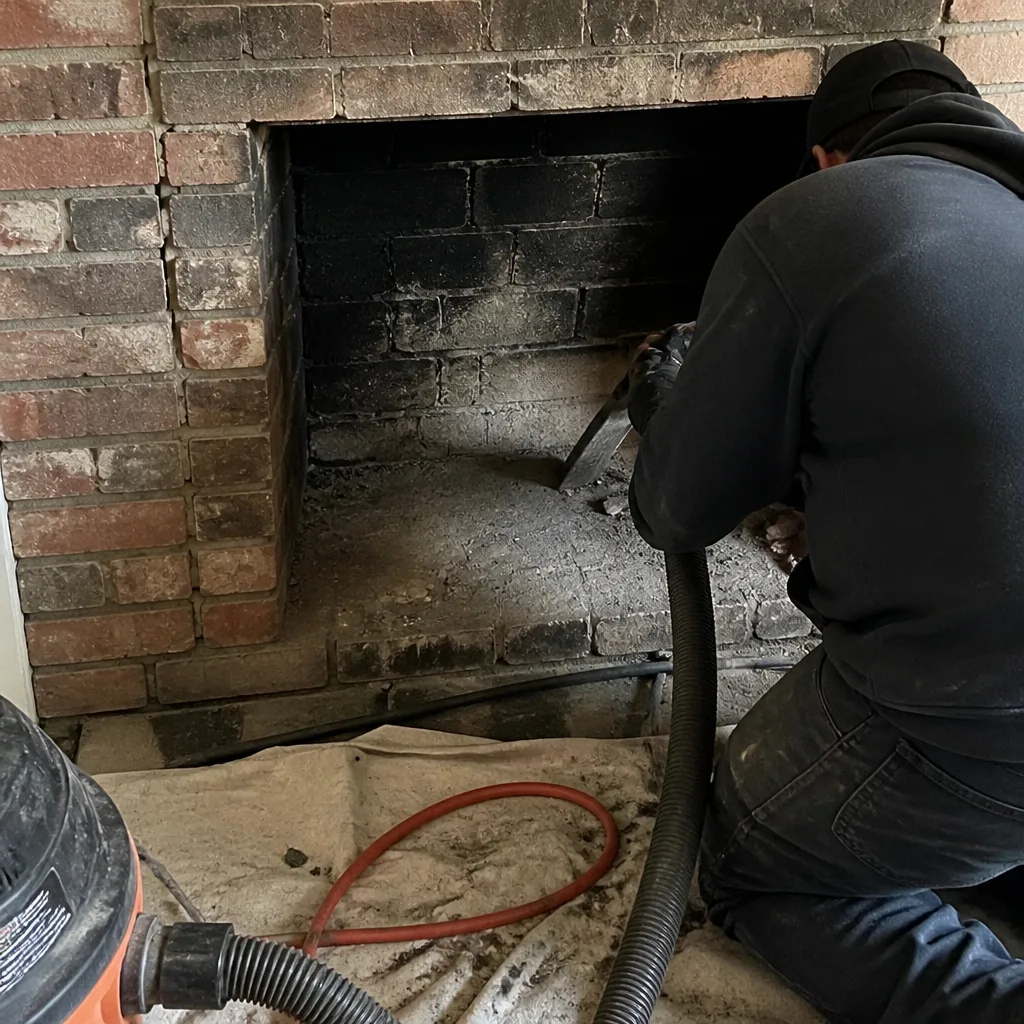 Before
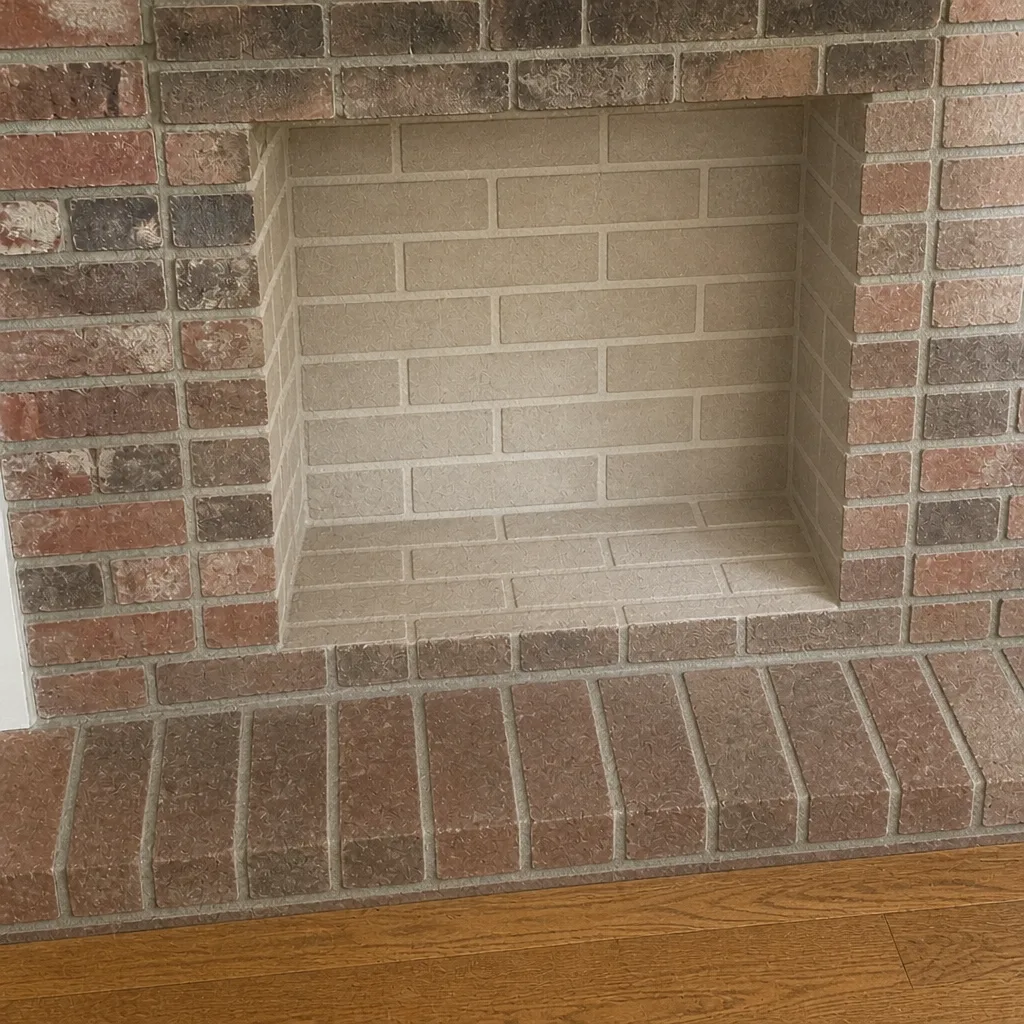 After
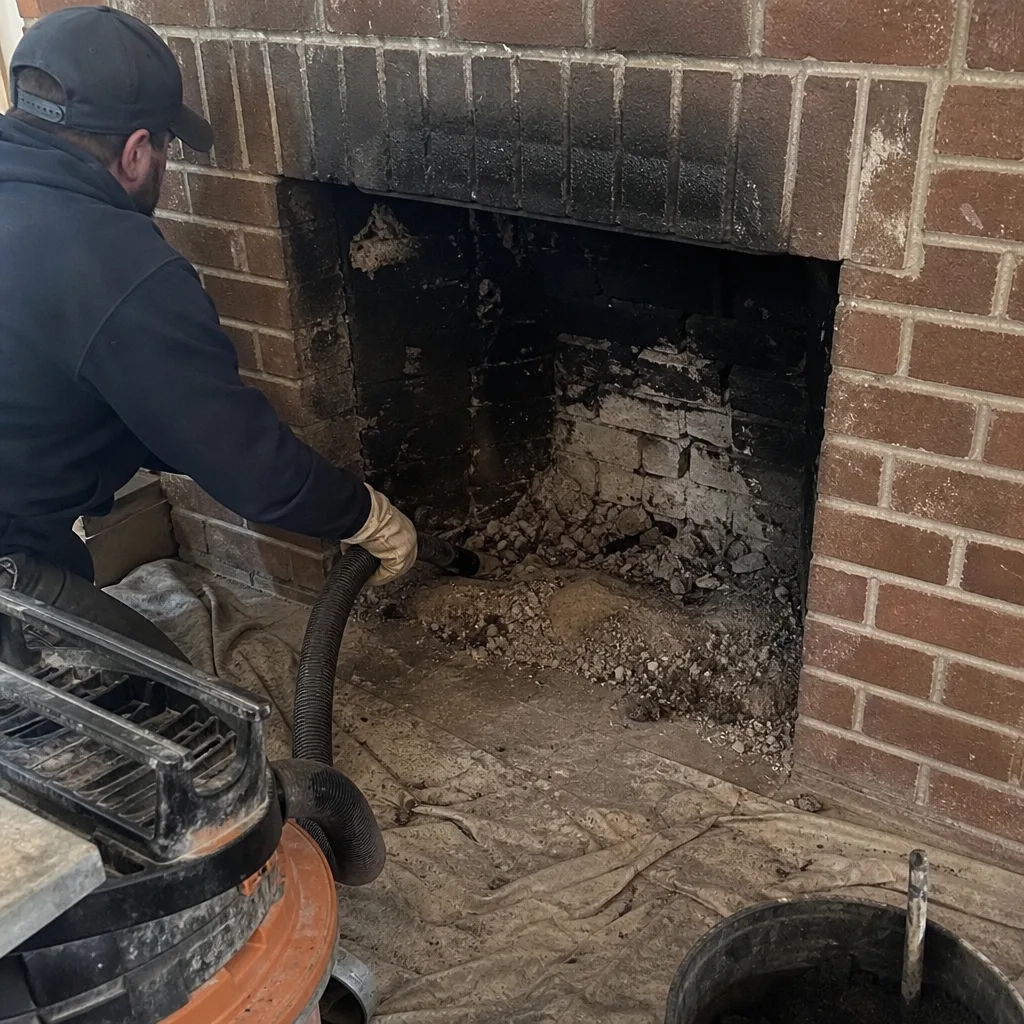 Before
 After
 Before
 After
When to Call a Professional
Specific situations that turn this into a professional call rather than a DIY project: any past smoke rollout or draft problem, any smell of creosote in the house between fires, a gas insert vented through the original flue, a home built before 1970 where the liner has never been scope-inspected, or simply more than a year or two since the last professional visit. A chimney that has never been inspected at all is a professional call by itself, because there’s no DIY step that substitutes for the camera.
Chimney Sweep Wheat Ridge offers free estimates in Wheat Ridge – call (866) 947-9417. We answer 24/7, and fast dispatch from 7am to 7pm, Sunday through Friday, gets a technician scheduled. The flat price is agreed before the work starts, and the camera inspection and photo report come with the visit. Work with the team that handles the sweep, the inspection, the fireplace repair, and everything above the firebox as one call. If a repair is needed, you’ll see the evidence on the camera. If nothing is needed, we’ll tell you that too.
Frequently Asked Questions
You can brush loose soot out of your own flue, but you can’t replicate the inspection that comes with a professional cleaning. A homeowner brush handles stage 1 soot and surface ash. It doesn’t classify creosote stage, scope the flue with a camera, or evaluate the smoke chamber. If your chimney has been professionally inspected recently and cleared, DIY brushing between visits is a reasonable maintenance step. If it hasn’t, the brush doesn’t tell you anything you need to know. Call (866) 947-9417 for an exact quote – estimates are free.
A wood-burning chimney should be inspected at least annually and swept whenever there’s a measurable creosote buildup, which for regular fireplace users is usually every year or two. The honest rule is: inspect annually, and sweep based on what the inspection shows. In Wheat Ridge, where many homes burn through cold winter months, annual inspection is the right cadence. The annual visit also catches water damage and cap or crown issues that a brush never touches. Call (866) 947-9417 for an exact quote – estimates are free.
You can miss a cracked clay tile, a compromised smoke chamber, or stage 3 glazed creosote for years without noticing anything unusual in how the fireplace performs. Those conditions are the setup for a chimney fire, and in an older Wheat Ridge home with clay tile liners, the failure point is behind the wall. Skipping the inspection doesn’t cause the problem; it just means the problem goes unfound. Call (866) 947-9417 for an exact quote – estimates are free.
Yes, in a specific case: a chimney that has been professionally inspected and cleared, where the creosote is at stage 1 and the liner is sound, can be brushed between scheduled visits without creating risk. The safety of DIY brushing depends entirely on what’s in the flue, and you only know that if someone has looked with a camera. On a chimney that’s never been inspected, DIY brushing risks masking a problem rather than fixing one.
That’s a camera question, not a judgment call. A clay tile liner with intact joints and no cracks is fine. A liner with hairline cracks at the joints, spalled tile, or gaps is a firepath into the surrounding framing, and relining is how that gets closed. We don’t recommend relining without camera evidence you can see for yourself, and if the liner can safely wait, we’ll say so. When relining is needed, DuraFlex flexible liner systems are what we install, because the fit and finish matter in older flues. Call (866) 947-9417 for an exact quote – estimates are free.
Rotary cleaning equipment, a flexible camera scope, HEPA vacuuming, chemical creosote treatment when needed, and a full inspection of the firebox, damper, smoke chamber, and flue from the top down. The rotary head removes what a hand brush skates over. The camera shows the condition of the flue wall. The HEPA vacuum keeps ash out of your living room. Together they answer two questions a brush kit doesn’t: is the chimney clean, and is the chimney safe.
The Bottom Line
DIY chimney cleaning isn’t a scam and it isn’t reckless. It’s a maintenance step for a chimney that’s already been professionally cleared, and it’s a limited one. What it can’t do is classify creosote stage, assess liner integrity, or evaluate a smoke chamber – and those three things are what protect a house from a chimney fire. In Wheat Ridge’s older housing stock, with clay tile liners and retrofitted gas inserts, the stakes of a missed inspection are higher than in newer construction, because the failure happens behind the wall where a brush never goes.
The real cost comparison isn’t brush versus sweep. It’s brush plus the inspection you skipped, sooner or later. Booking a professional sweep with a camera inspection, agreeing the flat price before work starts, and walking through the photo report together is the version of this decision that actually protects your home. Our technicians have up to 8 years of experience, and we handle the sweep, the inspection, the fireplace and chimney repair, and the cap and crown work as one call. Call (866) 947-9417 for a free estimate. We answer 24/7, and fast dispatch from 7am to 7pm, Sunday through Friday, gets the right visit booked.
Written by the team at Chimney Sweep Wheat Ridge.