
Last updated November 24, 2026
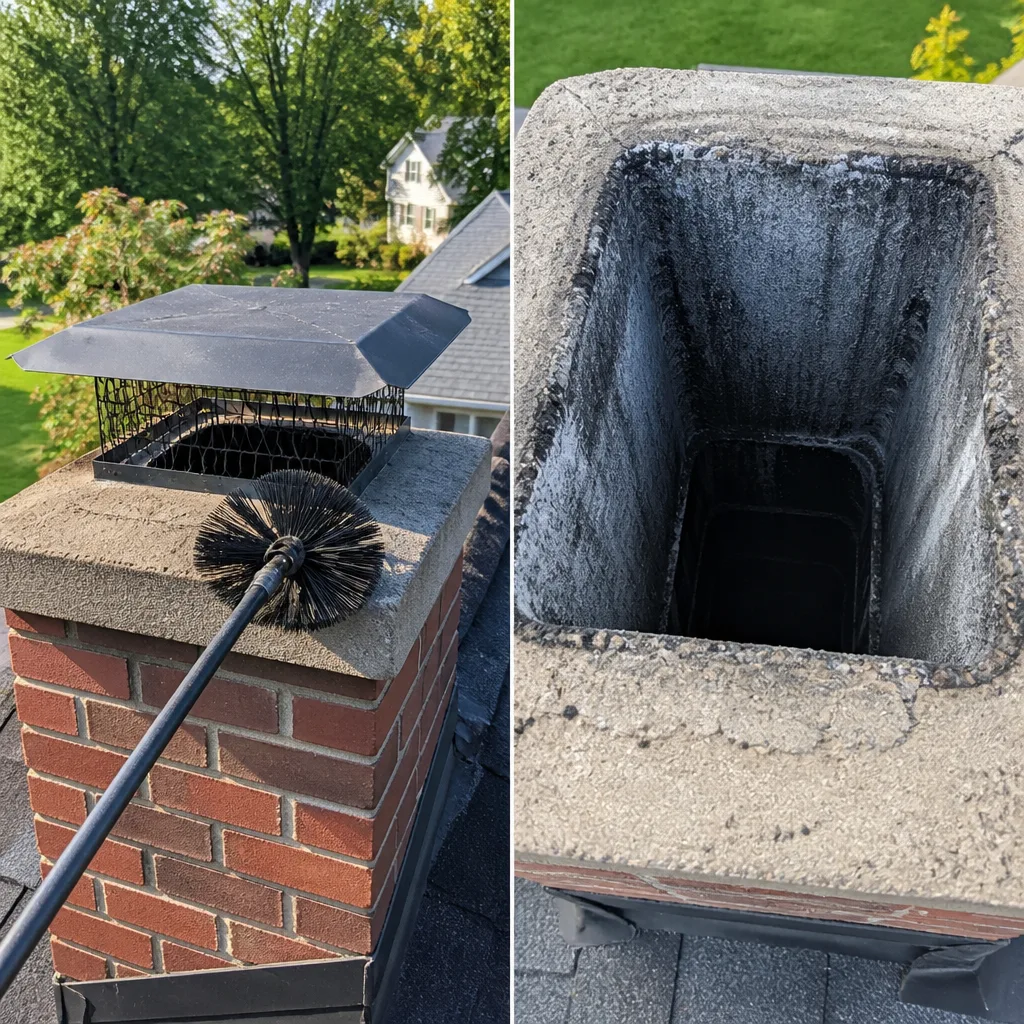 Sweep & inspection
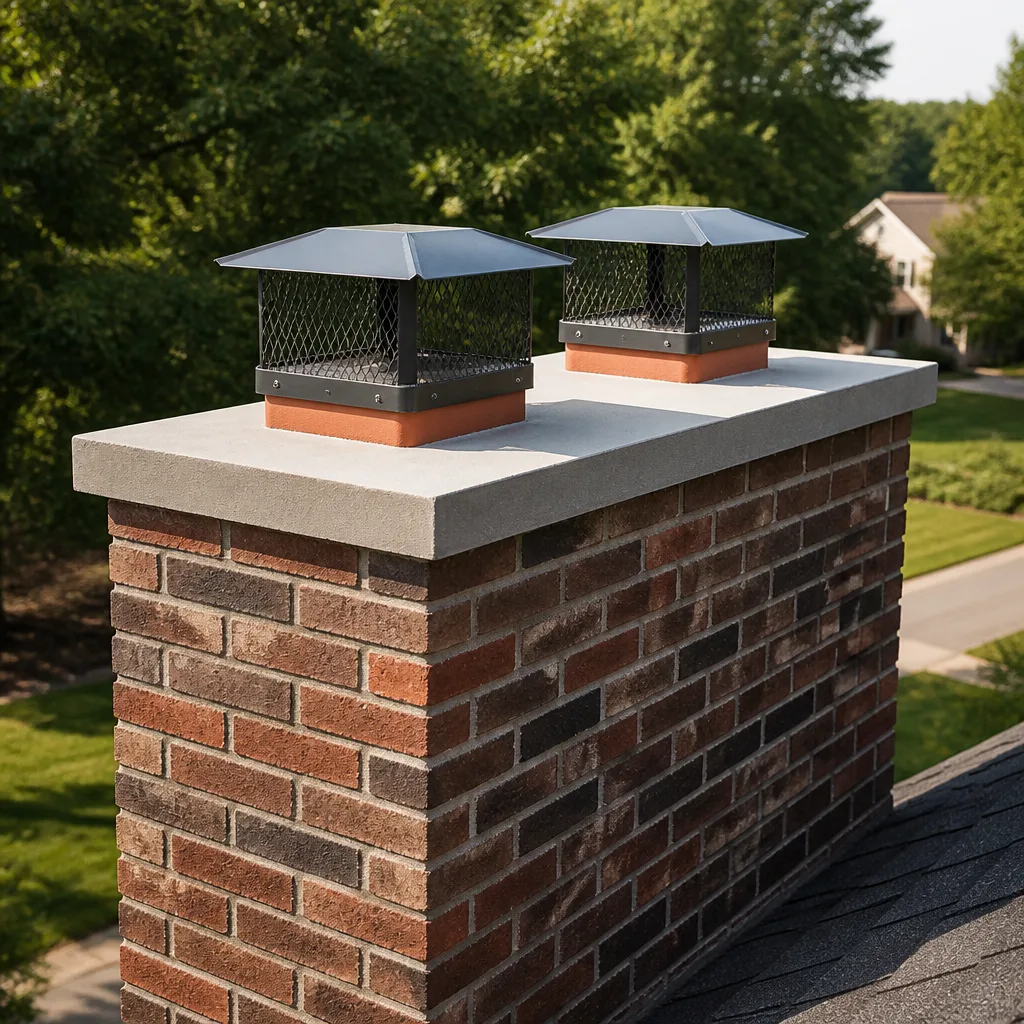 Caps & crowns
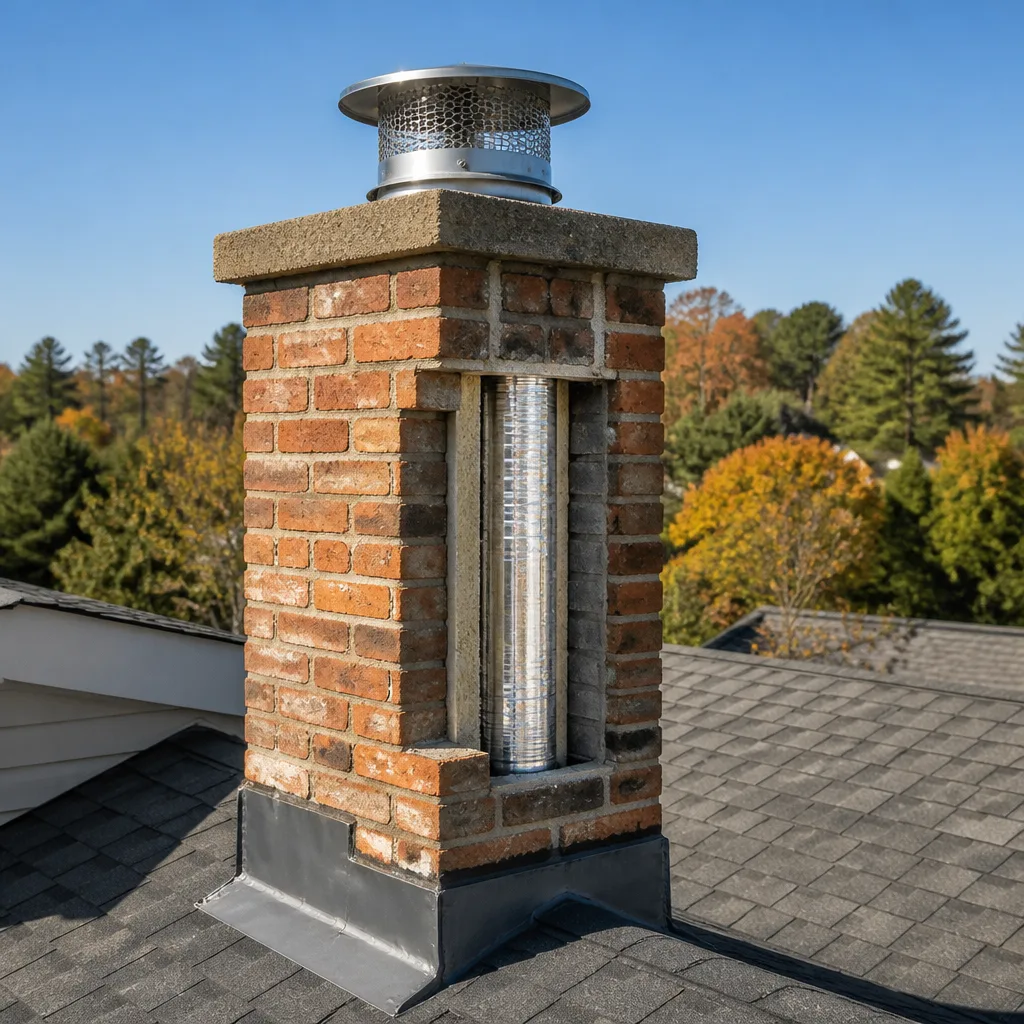 Flue relining
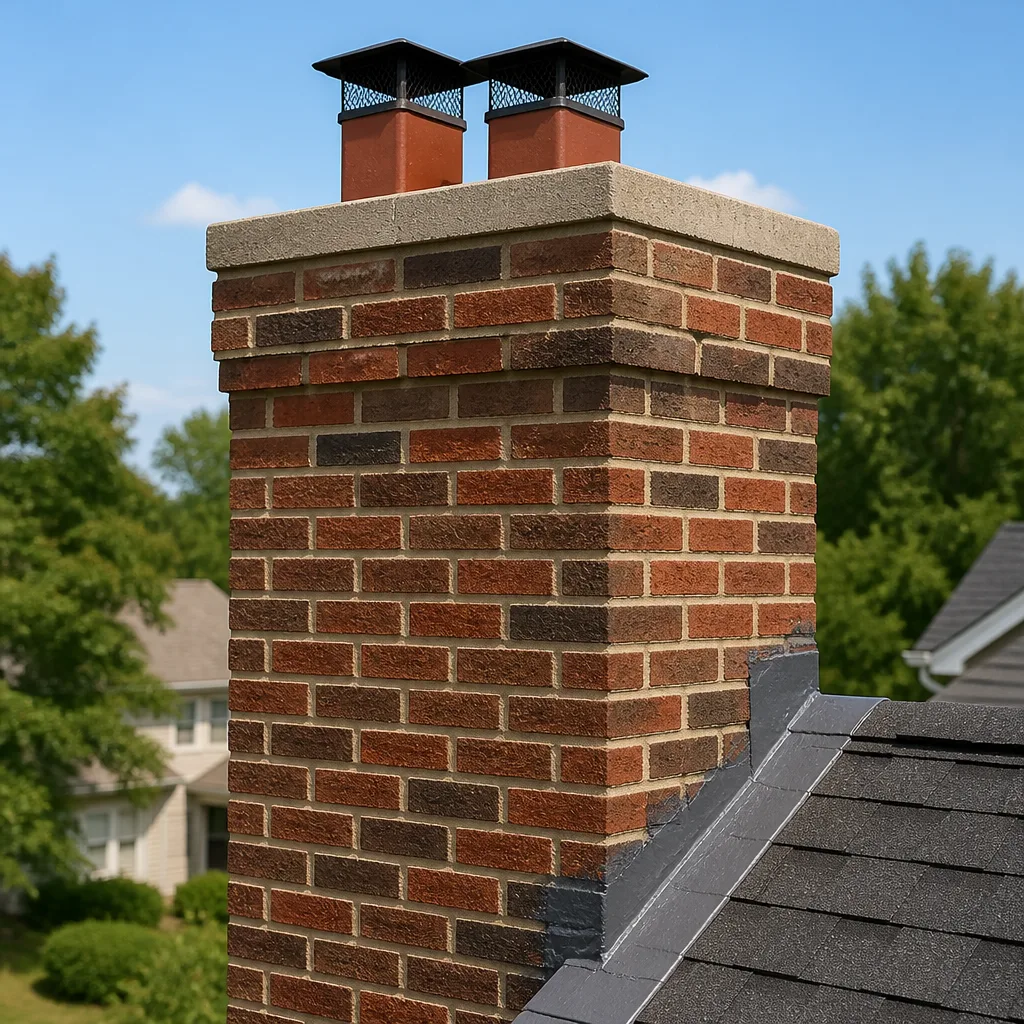 Masonry repair
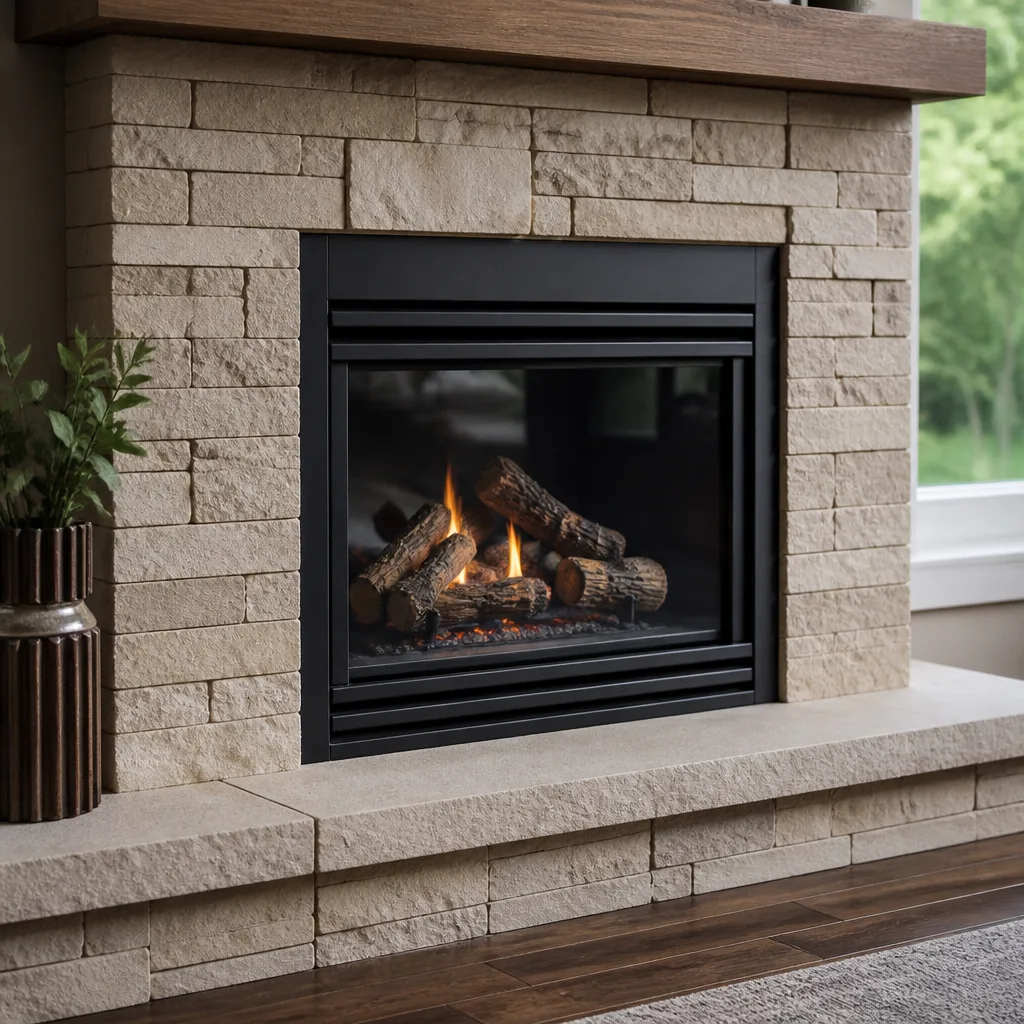 Gas fireplace service
Level 1 sweep and inspection to the NFPA 211 annual standard - flue, crown, cap, and flashing checked and photographed
Chimney sweep logs do not sweep chimneys. They loosen some creosote - which then falls where a brush and vacuum still have to collect it.
Chimney Cleaning Warning Signs: A Wheat Ridge Homeowner’s Reference Guide
Most homeowners assume a chimney tells them when it needs attention. It does, but rarely in the way people expect. The loud problems are usually obvious to everyone. The quiet ones are what cost you a season of use, and in Wheat Ridge they tend to announce themselves long before the first fire of fall. If you know what you’re looking at, you can often deal with a problem in June that would otherwise force a choice in November. This guide walks through the warning signs a chimney gives, what each one signals about the structure behind it, and how urgent the response really needs to be. By the end you’ll know the difference between a smell that means “schedule a sweep” and one that means “stop using this fireplace until someone inspects it.”
Quick Answer
The warning signs that a chimney needs service fall into four groups: smells (musty means water is getting in, sulfurous means a gas problem, campfire smell with the damper closed means creosote and a failed draft), interior visuals (spalling firebox brick, white efflorescence, black staining above the opening), exterior visuals (cracked crown, rusted or missing cap, failing mortar joints), and performance during use (slow draws, smoke rollout, excessive smoke). Of these, a cracked crown, missing cap, spalling brick, or a strong campfire smell with the damper shut are reasons to stop using the chimney and get it inspected. The rest usually allow continued use while you schedule service. The correct next step for any of them is a professional inspection, not a guess.
Styles & brands we work with
- Sweep & inspection
- Caps & crowns
- Flue relining
- Masonry repair
- Gas fireplace service
Table of Contents
- What the smell coming from your chimney actually means
- Interior warning signs: firebox, liner, and staining
- Exterior warning signs you can see from the ground
- Performance warning signs during use
- Signs you should stop using the chimney today
- Why Wheat Ridge’s climate stresses chimneys specifically
- Which signs mean routine cleaning and which mean repair
- When in the season to act on each warning sign
What the smell coming from your chimney actually means
A chimney smell is diagnostic. Different odors point to different failures, and the same smell in the same room in different seasons means different things. Here is how to read them.
Musty or damp smell
This is the smell of moisture inside the flue. It usually means water is entering through a defective crown, a missing or rusted cap, or failing mortar joints that let rain into the masonry. Left alone, moisture freezes and thaws through a Wheat Ridge winter and drives the spalling and joint failures that turn a small repair into a masonry job. Musty smell is not urgent in the same sense as a fire risk, but it should be scheduled within the season before the first freeze.
Sulfurous, rotten-egg smell
This is the signature of a gas appliance venting improperly, not a chimney that needs sweeping. It means gas byproducts are escaping into the home, either through a blocked flue, a backdrafting condition, or a poorly drafted gas insert. Treat this as a stop-now problem: stop using the fireplace, open a window, and call for an inspection today. If the smell is strong and accompanied by a headache or nausea, leave the house and call your gas utility first.
Strong campfire smell with the damper closed
This is the one most homeowners misread. A campfire smell in a Wheat Ridge living room in July, with the damper shut and no fire on, is not a normal summer quirk. It means the damper seal has failed and the creosote layer inside the flue is heavy enough to off-gas in warm weather. In our experience, that combination almost always points to Stage 2 creosote (glazed, hardened, and highly flammable) and a damper that no longer holds a seal. Both are actionable before the first fall fire. Get an inspection and a sweep done in late spring or summer, not in October.
Interior warning signs: firebox, liner, and staining
You can read a lot about a chimney’s condition by looking inside the firebox with a flashlight. What you’re checking for is how the brick and mortar are holding up and what the pattern of staining tells you about draft.
Spalling firebox brick
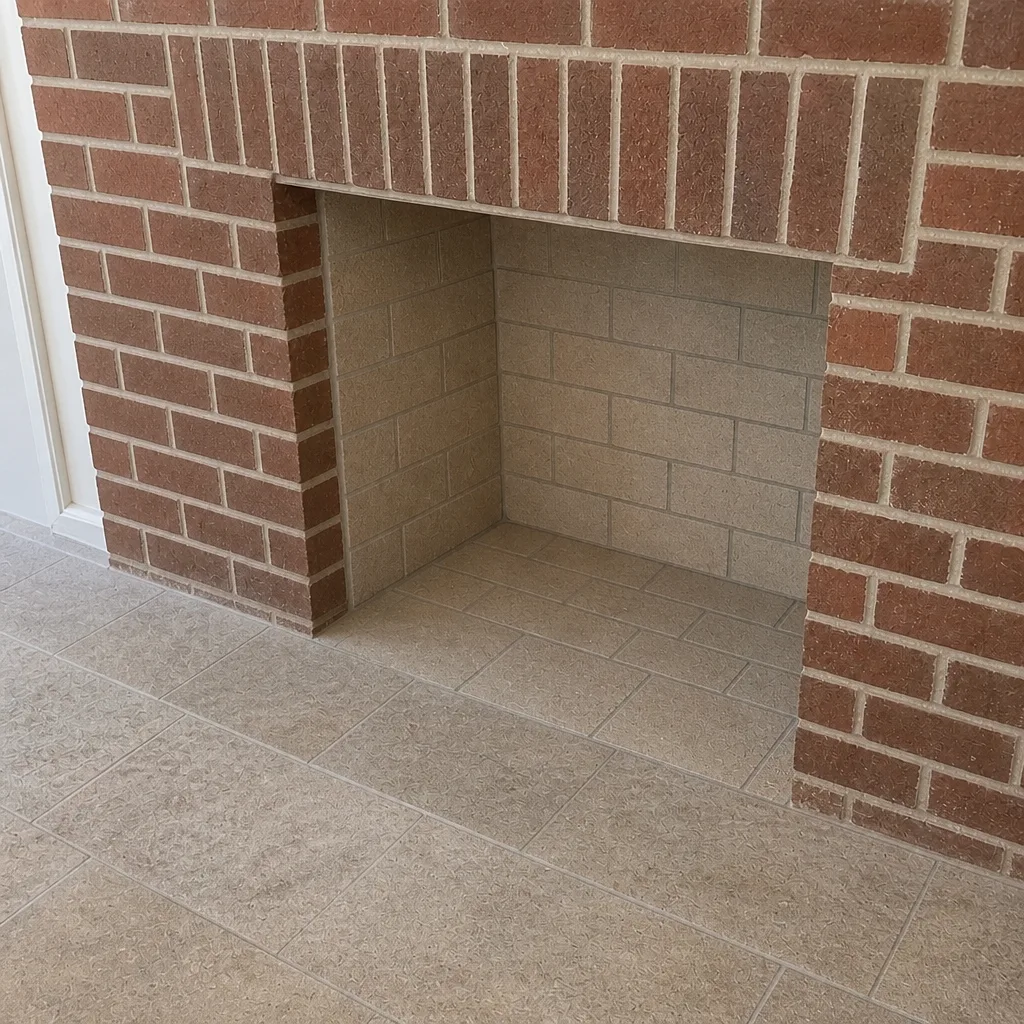
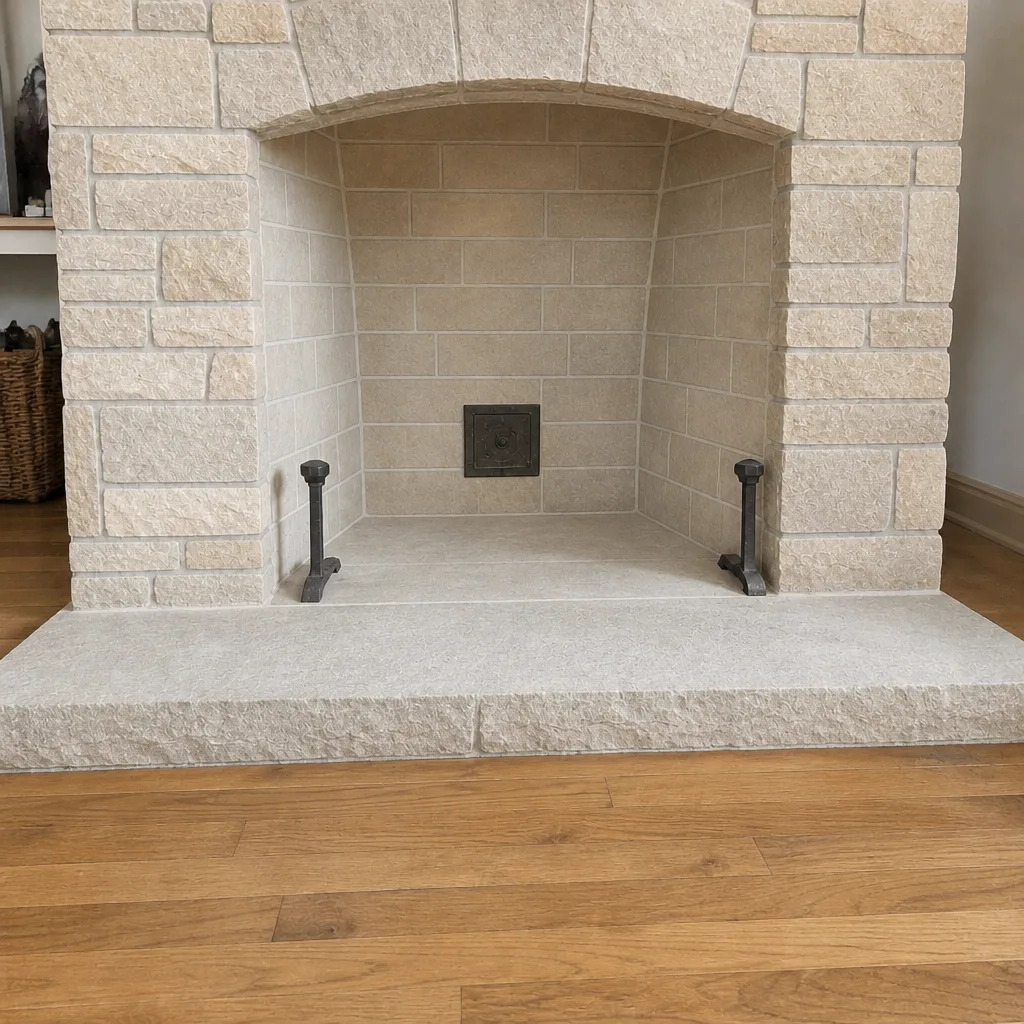
Spalling is when the face of the brick flakes, peels, or breaks off, leaving a rough, pitted surface. In a firebox, this is a structural warning: the brick is being driven by heat and moisture, and the firebrick lining is losing its ability to protect the masonry behind it. A little surface scaling on an older firebox is not a crisis, but visible chunks flaking off, or joints that are deeply recessed, mean the firebox needs repair. This is the kind of job where a HeatShield ceramic resurfacing can often be used to restore the interior rather than rebuild the whole firebox, but only after an inspection confirms the underlying masonry is sound.
White efflorescence on the liner or firebox walls
Efflorescence looks like white, chalky powder pushed out of the masonry. It’s the visible end product of water moving through brick and then drying out, leaving mineral salts behind. On a chimney liner or firebox interior, it signals moisture intrusion, and usually points back to a source above: the crown, the cap, or the joints in the masonry above the roofline. It’s a symptom, not a cause, so the repair needs to address the water source, not just clean the powder off. If you’re seeing efflorescence inside, ask the inspector to check the crown and take a photo from the rooftop so you can see what they’re seeing.
Black staining above the firebox opening
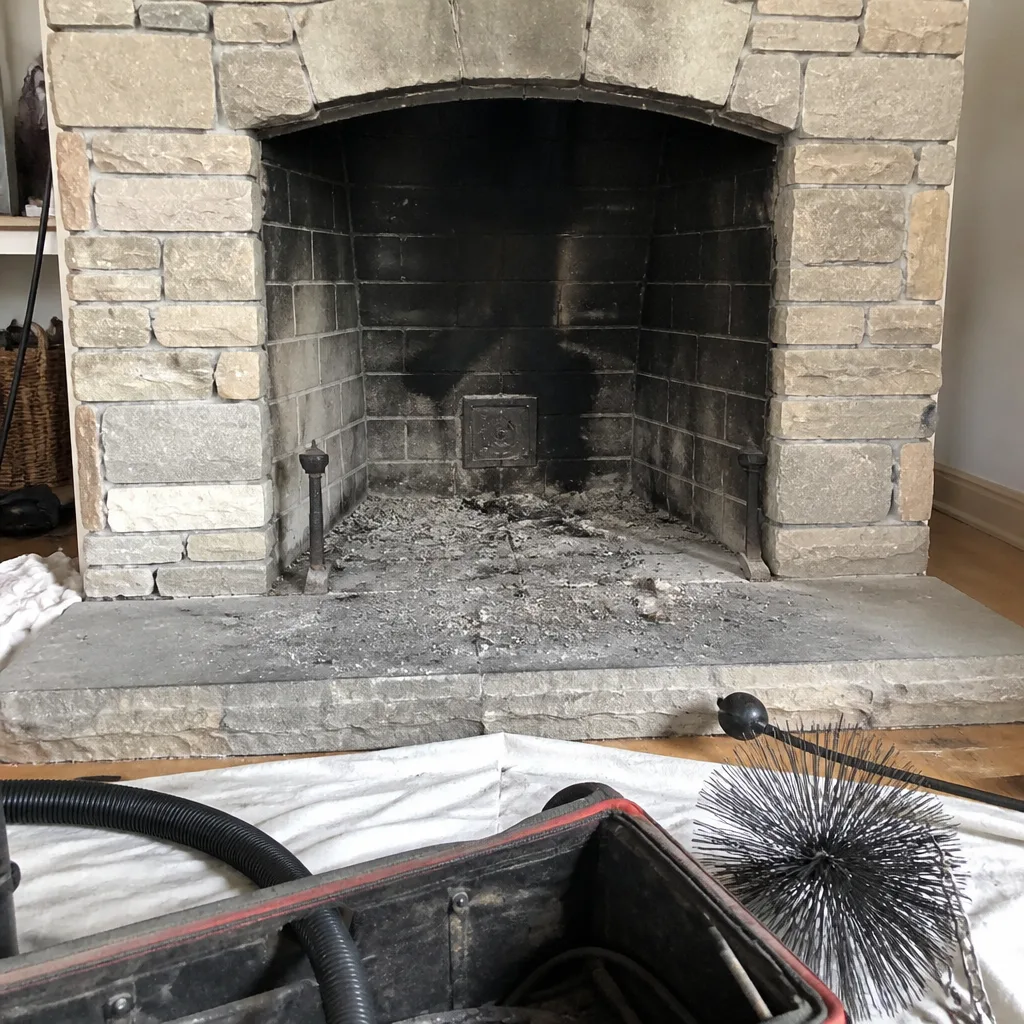
Black staining above the opening, especially a fan-shaped pattern creeping up toward the mantel, means smoke is rolling out of the fireplace instead of going up the flue. That’s a draft problem, and it can be caused by a chimney that’s too short for the house, a flue that’s too large or too small for the opening, a blocked flue, or an open damper that’s stuck. In some cases, black staining is a sign of a fire that was extinguished with water, which deposits creosote in a sticky, harder-to-clean state. Either way, this is an inspection trigger, not something to scrub off and forget.
Exterior warning signs you can see from the ground
You don’t need a ladder to spot the most expensive chimney problems. Binoculars from the driveway will do for a first pass. Here is what to look for.
Cracked or missing crown
The chimney crown is the concrete cap at the very top that sheds water away from the masonry. When it cracks, water runs down the inside of the chimney instead of off the sides. In Wheat Ridge, the freeze-thaw cycle stresses the crown in a way that warmer climates don’t, and a hairline crack in July becomes a wide, open seam by February. A cracked crown is one of the few warnings that should be repaired in the same season, ideally before the first hard freeze. A crown repair with Gelco or Famco components gives you traceable, warrantied hardware rather than an anonymous patch.
Rusted, missing, or damaged cap
The cap keeps rain, snow, birds, and debris out of the flue. If it’s rusted through, dented off, or missing entirely, the flue is open to weather and wildlife. Rust streaks running down the chimney from the cap are the most visible sign. A missing cap is a same-season repair for the same reason as a cracked crown: it exposes everything underneath to moisture. Cap installation is straightforward and, in our experience, one of the highest-value repairs a homeowner can make because it prevents the water-driven damage that shows up two winters later.
Deteriorating mortar joints visible from grade
Look at the joints between bricks on the outside of the chimney. If they’re recessed, crumbling, or missing chunks, water is getting into the masonry. On older Wheat Ridge homes, this is common because the original mortar was likely softer than the surrounding brick and is the first thing to go. Recessed joints that are still uniform and tight are a maintenance item; joints that are actively eroding or have fallen out are a repair item. If you can push a screwdriver into the mortar, it’s failing.
Performance warning signs during use
How the fireplace behaves during a fire is one of the best diagnostic tools you have. These signs show up during the burning season and are easiest to spot in real time.
Slow-to-draw fires
If a fire takes a long time to establish draft, or the smoke lingers in the room before going up, the flue is restricted. Common causes are a buildup of creosote narrowing the flue, a partially closed damper, or a flue that’s undersized for the firebox opening. A cold flue at the start of the season can make this worse, but a fire that never draws well is a sign of a chimney problem, not just a cold morning.
Smoke rollout into the room
Smoke that spills out into the living room, especially when you open the door to add wood, means the pressure balance in the house has changed, or the chimney has a blockage. It’s worth distinguishing the two:
- Appliance-side causes: exhaust fans, kitchen hoods, or a tightly sealed house pulling air the wrong way. A cracked window next to the fireplace will often fix this immediately.
- Chimney-side causes: a blocked flue, a damaged flue tile, a short chimney, or a cap that’s restricting exhaust. A cracked window won’t fix these.
If opening a window makes the smoke go up, you’re looking at a pressure issue. If it doesn’t, the problem is in the chimney.
Excessive smoke production
Wood that’s too wet (above roughly 20% moisture) smokes heavily. So does a fire that’s smoldering rather than burning hot. If you’re getting a lot of smoke from dry, seasoned wood and a well-built fire, the chimney is not evacuating properly, and the creosote buildup is accelerating as a result. That’s the condition that turns a routine sweep into a Stage 2 removal job.
Signs you should stop using the chimney today
Some warning signs allow continued use with a service appointment scheduled. Others do not. The line between them is risk of fire, carbon monoxide, or structural failure. Stop using the fireplace and get an inspection before the next fire if you see any of the following:
- A sulfurous, rotten-egg smell. Gas appliance venting is failing, and carbon monoxide risk is real. Stop, ventilate, and call.
- A strong campfire smell with the damper closed. Stage 2 creosote plus a failed damper seal is the combination that turns a chimney fire into a house fire.
- Visible creosote at the top of the firebox or in the smoke chamber. If you can see glazed, tar-like buildup, the flue is already beyond what a routine sweep can safely address.
- Spalling brick falling into the firebox, or a firebox with deep joint loss. The firebrick is failing and the masonry behind it is exposed to heat.
- A cracked or missing crown with visible water damage inside the flue. The chimney is taking on water and the flue may be damaged.
- Smoke rollout that persists after opening a window. The flue is blocked or restricted.
- A chimney fire you know about, even a small one. A chimney fire can damage the flue without obvious exterior signs. It needs an inspection before any further use.
If you’re not sure which side of the line a warning sign falls on, treat it as a stop-now problem and schedule an inspection. The cost of an inspection is trivial compared to the cost of guessing wrong.
Why Wheat Ridge’s climate stresses chimneys specifically
Wheat Ridge sits on the Front Range at elevation, which means two things for chimneys that don’t apply in other parts of the country. First, the freeze-thaw cycle is aggressive. Water gets into masonry during a warm afternoon, freezes overnight, expands, and opens the crack a little wider. Repeat that cycle across a full winter and a hairline crown crack becomes an open seam. Second, the elevation affects draft. Chimneys are sized to the altitude, and a flue that works fine at sea level can be undersized here. Homes in Wheat Ridge, especially older ones, sometimes have flues that were never properly adjusted for elevation, which shows up as the slow-draw and smoke-rollout signs above.
The seasonal swing matters too. Wheat Ridge summers are warm enough that a poorly sealed damper lets hot air push creosote smell into the living room, which is why the campfire smell in summer is such a reliable indicator. Fall is short, so the window to do preventative work before the burning season is small. In our experience, the homeowners who get their inspection done in spring and their repairs done by early fall have the fewest mid-winter surprises.
Which signs mean routine cleaning and which mean repair
Not every warning sign means the same kind of appointment. Sorting them saves you time and money, and it tells you what kind of conversation to have when you call.
Routine cleaning usually addresses:
- Smoke odor that appears only during fall start-up and fades once the chimney warms
- Light soot inside the firebox
- Slightly slow draws that improve with a warm flue and dry wood
- Annual maintenance checks with no visible damage
Repair or inspection usually addresses:
- Spalling firebox brick, which may need HeatShield resurfacing or a firebox rebuild
- Efflorescence on the firebox, which points to a water source that must be found and fixed
- Cracked crown, which needs crown repair, not just cleaning
- Rusted or missing cap, which needs replacement
- Failing mortar joints visible from grade
- Glazed creosote, which needs chemical removal and, in severe cases, relining with a DuraFlex system
- A flue that’s damaged or undersized, which may need a new liner
The line between these two groups is best drawn by an inspection, not by a phone conversation. A sweep appointment can turn into a repair conversation, and that’s fine, as long as the recommendation is backed by photos and a camera inspection you can see yourself.
When in the season to act on each warning sign
The right time to handle a warning sign depends on what it is. Here’s how we think about timing through a Wheat Ridge year.
- Spring (April-June): Best time for the annual sweep and inspection. The burning season is over, the chimney has cooled, and any repairs identified can be scheduled with room to spare before fall.
- Summer (July-August): Best time for exterior work, including crown repair, cap replacement, and mortar joint work. The weather is dry and warm, which gives repair materials time to cure properly.
- Early fall (September-October): Last window for repair work before the burning season. Relining with a DuraFlex system is usually scheduled here so the chimney is ready for the first fire.
- Winter (November-March): Emergency inspection territory. Stop using the chimney at the first sign of a stop-now warning and get a professional out before the next fire.
The smell-based indicators are the exception. A campfire smell in summer is a sign to act now, not wait for fall, because the conditions that cause it are the conditions that cause chimney fires.
Common Mistakes to Avoid
- Treating the annual sweep as the only appointment. If you’re seeing spalling brick, a cracked crown, or efflorescence, a sweep is the wrong appointment. Sweeping and inspection are both needed, but the appointment that catches damage is the inspection. Ask for both when you call.
- Assuming a summer campfire smell is normal. It isn’t. In Wheat Ridge, a campfire smell in summer with the damper closed is a reliable indicator of Stage 2 creosote and a failed damper seal, and both are actionable now.
- Burning wet wood because it’s cheaper. Moisture above roughly 20% accelerates creosote buildup faster than almost any other cause. Seasoned wood costs more per cord and costs less per year in chimney repairs.
- Patching a crown crack with a tube of caulk. Crowns need repair materials that hold up to freeze-thaw. Silicone caulk on a concrete crown in a Wheat Ridge winter will fail before spring.
- Ignoring efflorescence. White powdery deposits inside or outside the chimney are a water-source symptom. Cleaning off the powder without fixing the source leaves the masonry soaking.
- Getting an inspection but not asking for photos. A recommendation without evidence is a sales pitch. Ask for the camera inspection and the rooftop photos before agreeing to any repair.
- Hiring a sweep who won’t do repair work. If your sweep can’t handle crown repair, relining, or firebox work, you’ll be coordinating between two contractors the first time damage is found. One team should own the inspection and the repair.
See the difference
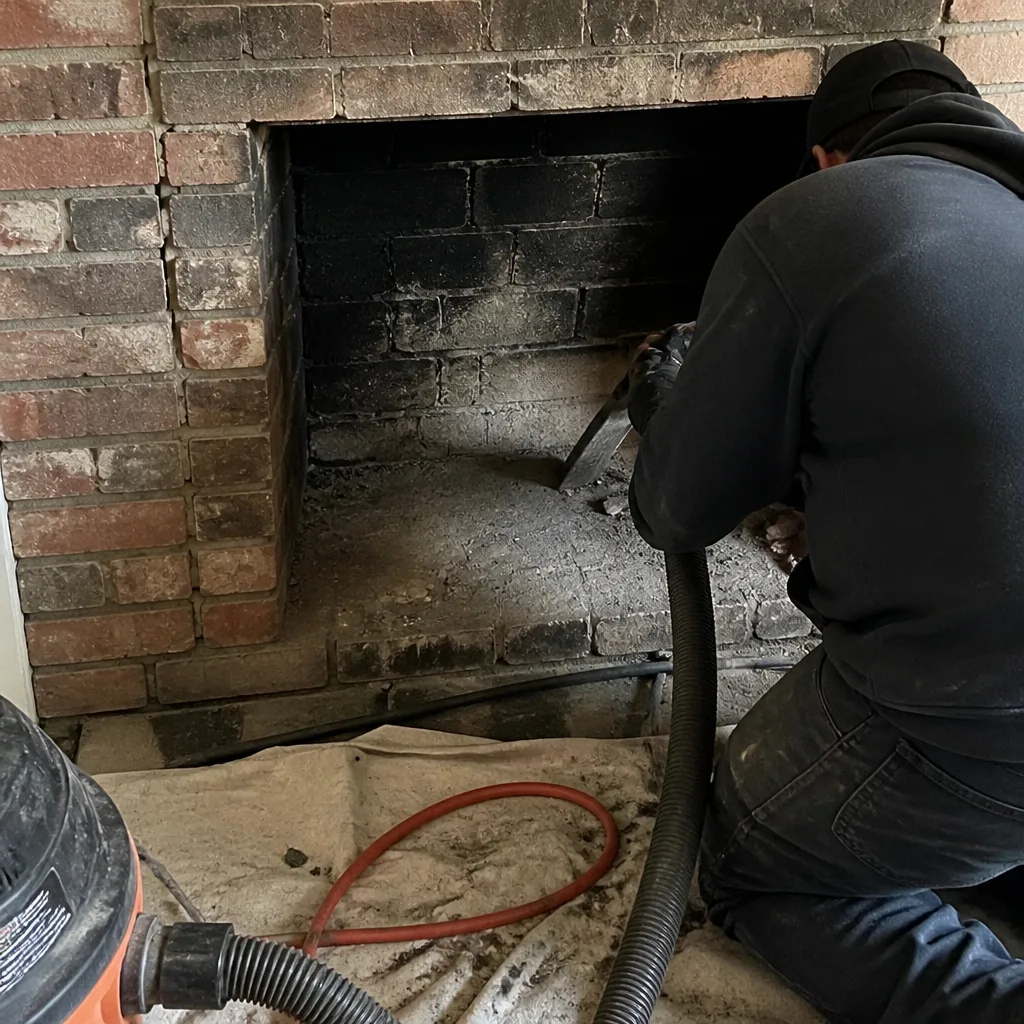 Before
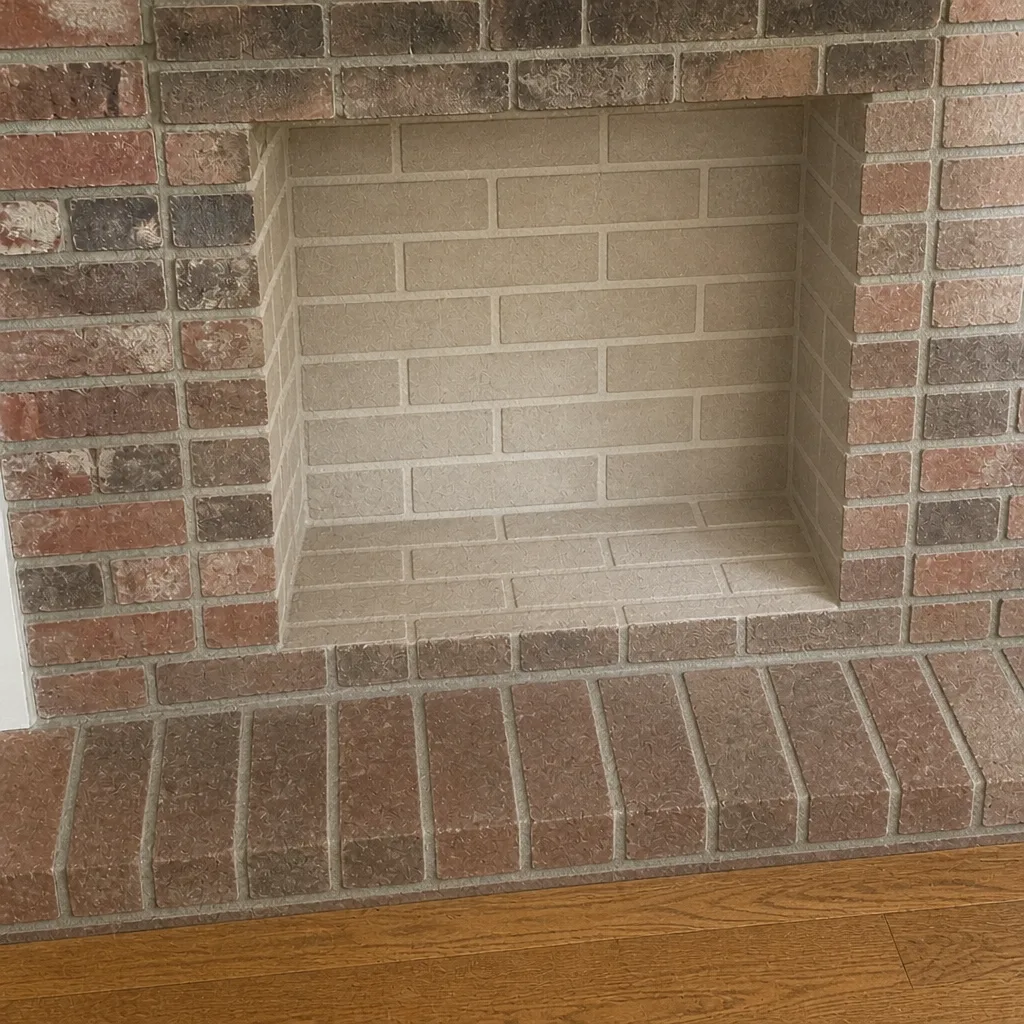 After
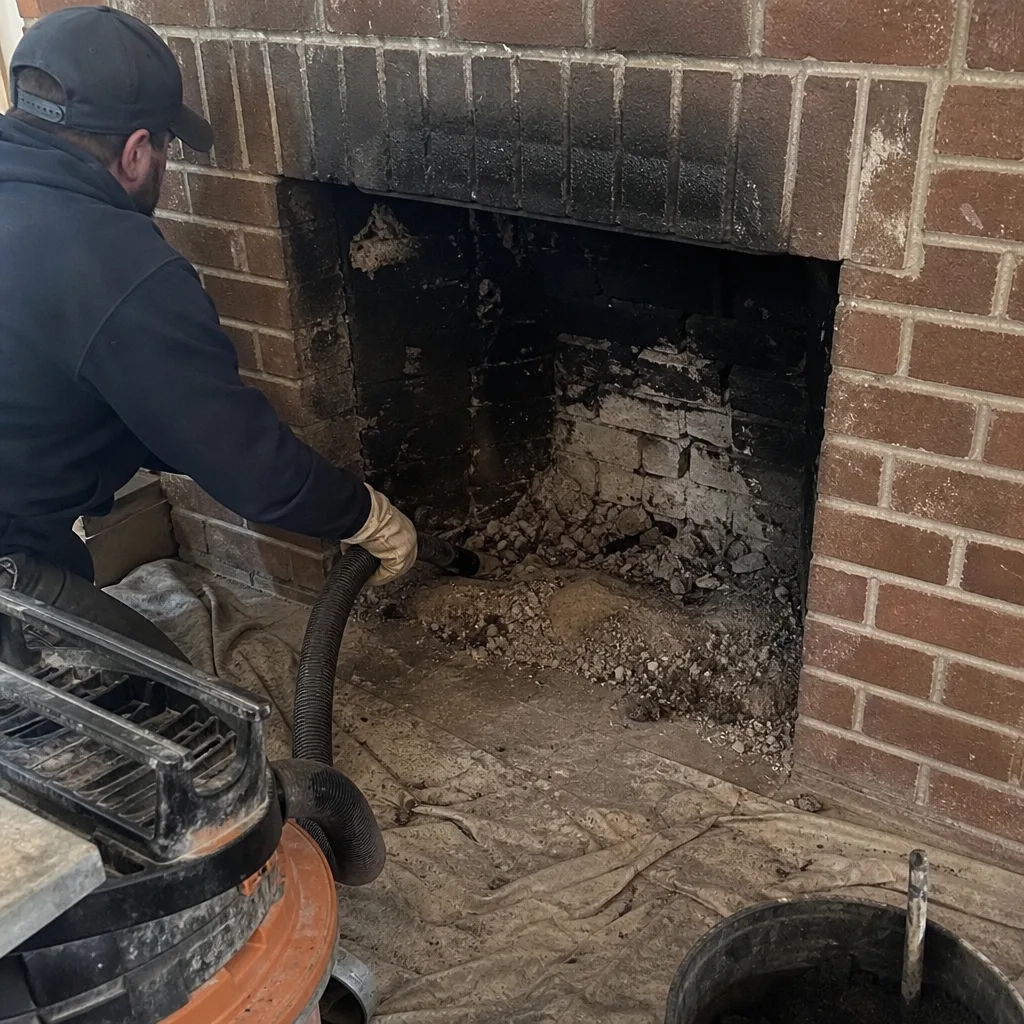 Before
 After
 Before
 After
When to Call a Professional
Call a professional when you see any stop-now sign from the list above, when you see spalling brick, efflorescence, a cracked crown, or a missing cap, when a fire smokes into the room despite dry wood and a warm flue, or when the annual sweep is overdue by more than a year. Call for a chimney sweep appointment if you’re simply due for maintenance. If you’re not sure which appointment you need, say so when you call. Chimney Sweep Wheat Ridge offers free estimates in Wheat Ridge and handles the inspection and the sweep in the same visit. Our technicians have up to 8 years of experience reading exactly these kinds of warning signs. Call (866) 947-9417 for a free estimate. We answer 24/7. Fast dispatch from 7am to 7pm, Sunday through Friday, closed Saturday.
Frequently Asked Questions
The most common chimney problems in Wheat Ridge are cracked crowns, missing or rusted caps, failing mortar joints, and heavy creosote buildup from wet wood. The freeze-thaw cycle drives the crown and mortar issues, and the elevation affects draft in older homes, which makes creosote buildup worse than homeowners expect. A Chimney Sweep Wheat Ridge inspection in spring catches most of these before they cause structural damage.
Stage 2 creosote looks like glazed, hardened, tar-like buildup inside the flue, and it’s difficult to remove with a standard brush. The reliable signs are a strong campfire smell in the living room with the damper closed in summer, a flue that looks shiny or bubbly when you shine a light inside, and a fire that’s hard to start and smokes heavily. A camera inspection confirms it, and removal usually requires chemical treatment followed by a sweep. Call (866) 947-9417 for a free estimate.
A musty smell is a water intrusion problem, not a fire risk, but it’s worth addressing in the same season. It usually points to a failing crown, missing cap, or deteriorating mortar joints letting moisture into the masonry. Left alone, water works through freeze-thaw cycles and turns small repairs into structural ones. A chimney repair visit to find and fix the water source is the right next step.
Stop using the fireplace if spalling brick is falling into the firebox or if the joints are deeply recessed. Spalling means the firebrick is losing its ability to protect the masonry behind it, and heat is reaching the wrong surfaces. Light surface scaling alone is a maintenance item, but anything that’s flaking off in chunks is a stop-now sign. Get an inspection and a fireplace repair estimate before the next fire.
Once a year, or more often if you burn frequently. Most homeowners in Wheat Ridge who use the fireplace regularly through the winter need an annual sweep plus an inspection. If you’re seeing any of the warning signs in this guide, don’t wait for the annual appointment. Call (866) 947-9417 for a free estimate.
Skipping a sweep lets creosote accumulate, and creosote is highly flammable. The first fire of the season can ignite it and cause a chimney fire, and chimney fires don’t always have dramatic exterior signs. Sometimes they burn inside the flue and leave damage that’s only visible on inspection. If you’re overdue, call (866) 947-9417 for a free estimate and book the sweep before the burning season.
The Bottom Line
A chimney tells you when something is wrong. You just have to know what you’re looking at. Smells point to water, gas, or creosote. Interior visuals point to firebox and flue damage. Exterior visuals point to weather exposure. Performance during use points to draft and flow. Of these four, a campfire smell with the damper closed, a sulfurous smell, a cracked crown, and a missing cap are the ones to act on now rather than later in Wheat Ridge’s freeze-thaw climate. When you call, ask for an inspection with photos. A clean chimney is the starting point; a sound one is the goal. Call (866) 947-9417 for a free estimate. We answer 24/7. Fast dispatch from 7am to 7pm, Sunday through Friday, closed Saturday.
Written by the team at Chimney Sweep Wheat Ridge.