
Last updated November 24, 2026
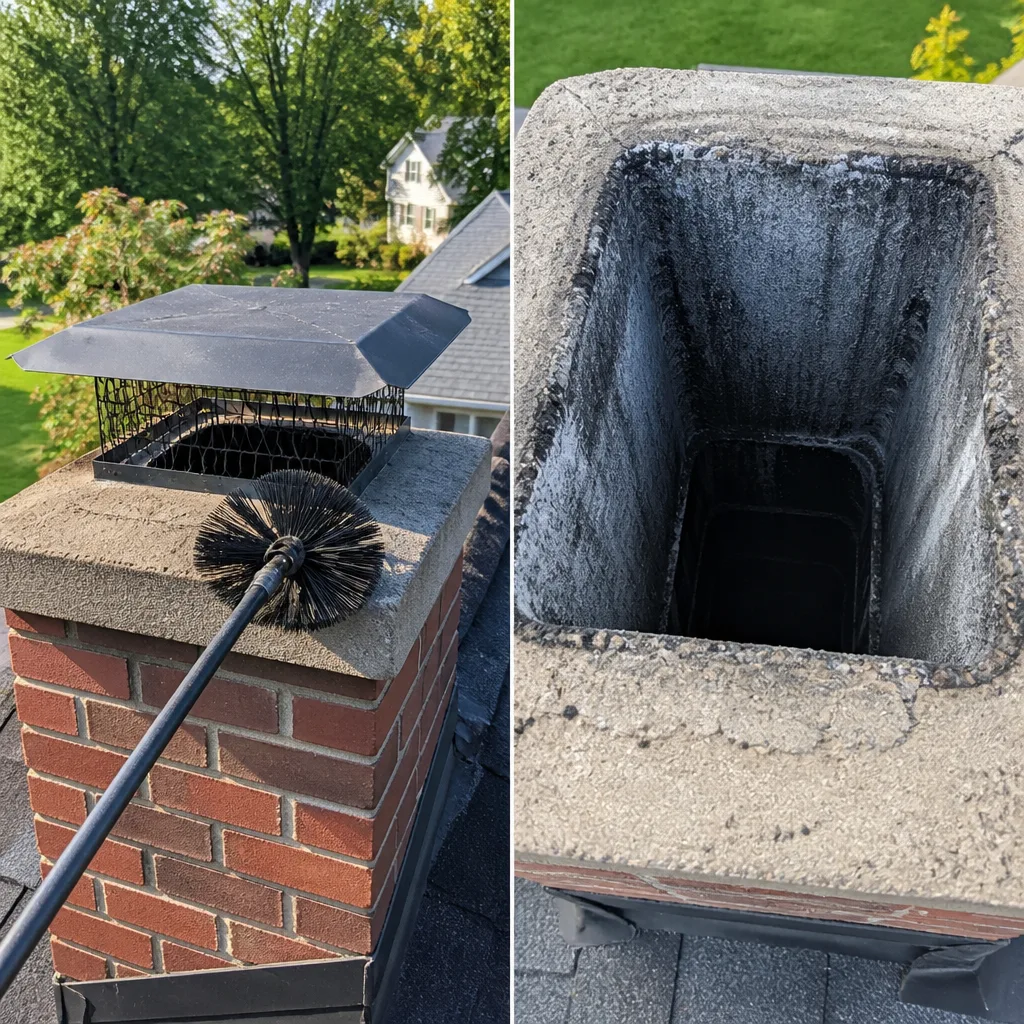 Sweep & inspection
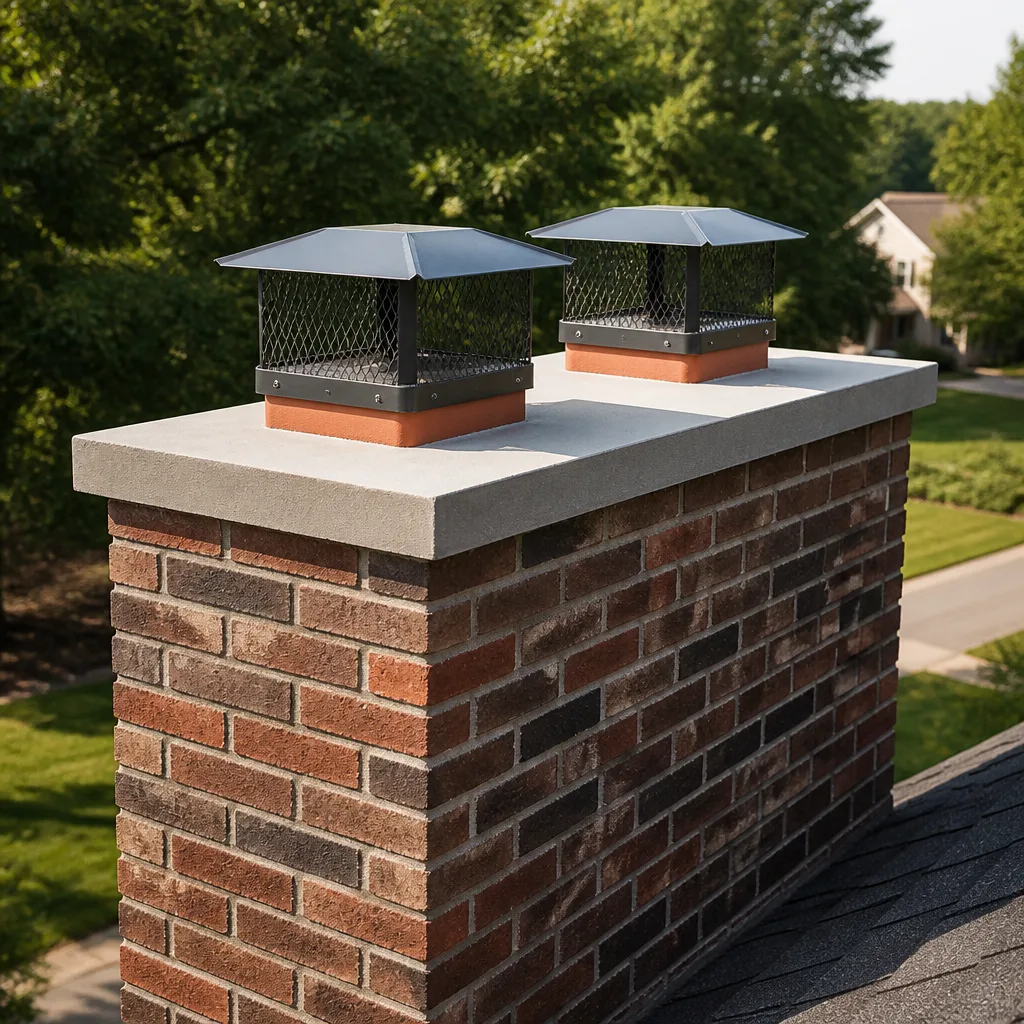 Caps & crowns
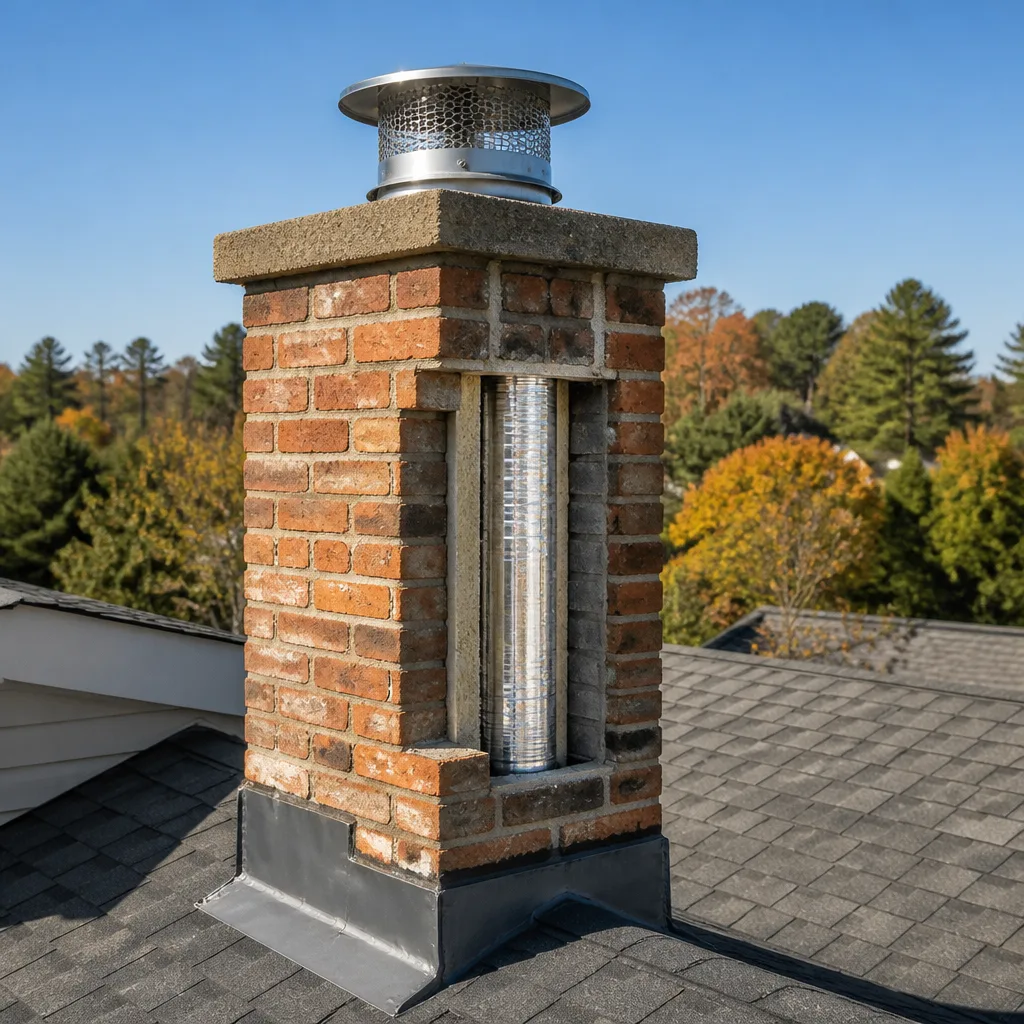 Flue relining
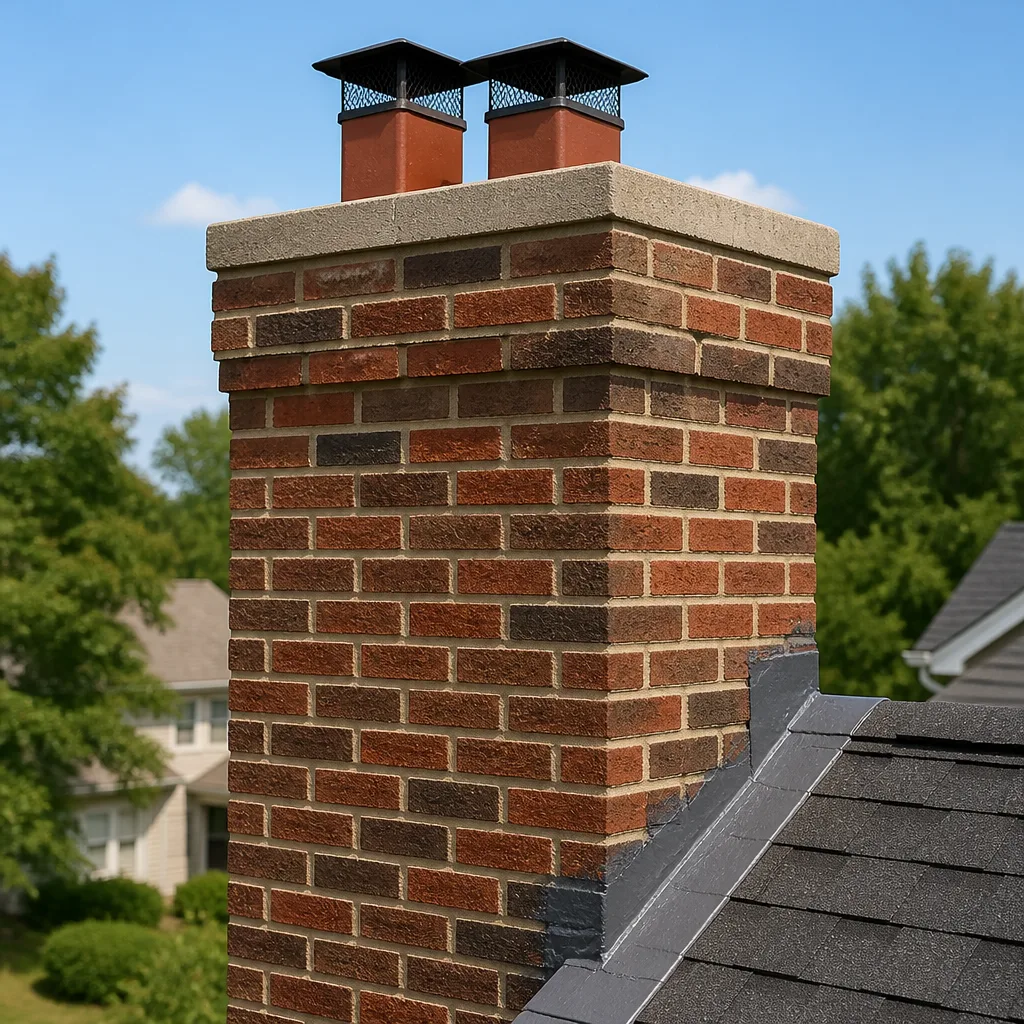 Masonry repair
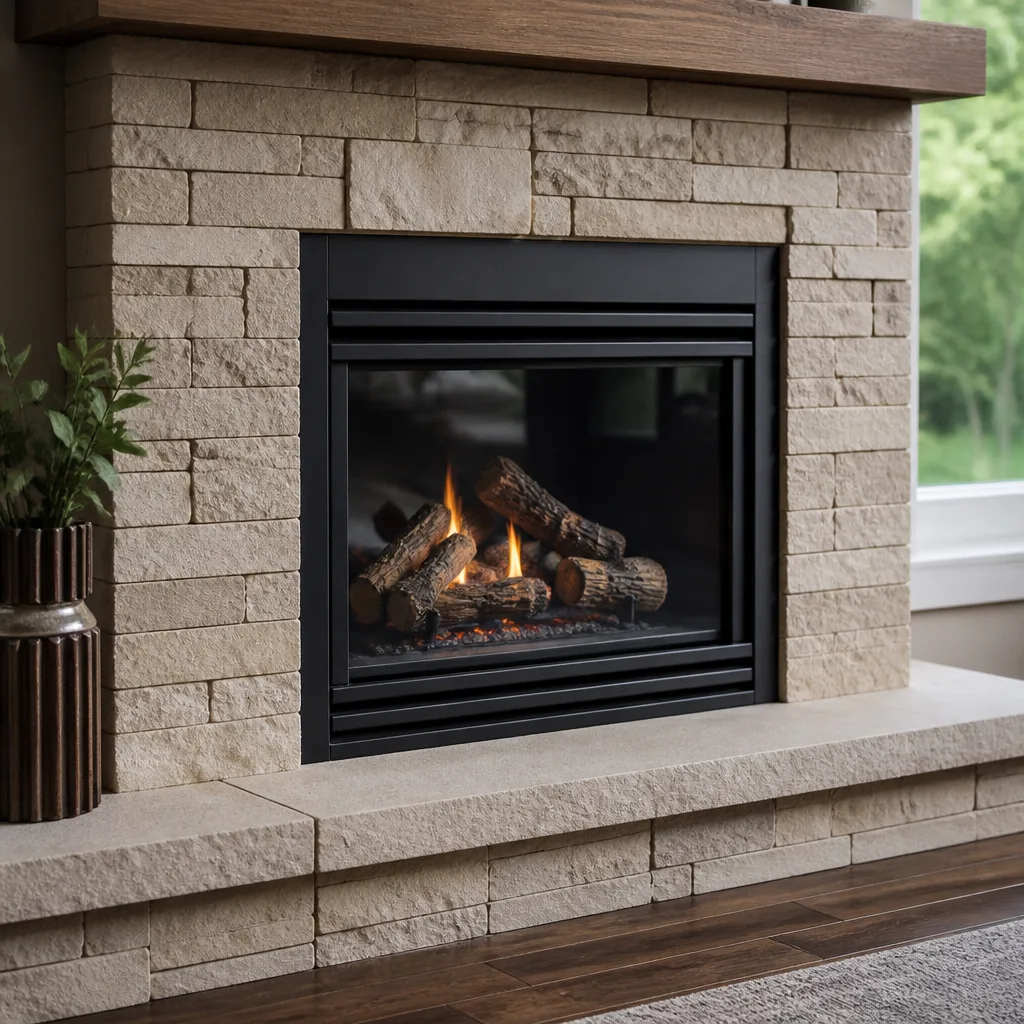 Gas fireplace service
Level 1 sweep and inspection to the NFPA 211 annual standard - flue, crown, cap, and flashing checked and photographed
Chimney sweep logs do not sweep chimneys. They loosen some creosote - which then falls where a brush and vacuum still have to collect it.
Chimney Cleaning Permits, Codes & Inspections in Wheat Ridge, CO: What You Need to Know
Most people assume chimney work never touches a building department. That’s backwards. A routine sweep is permit-exempt almost everywhere, but the moment a technician proposes a liner replacement, a firebox rebuild or structural masonry work in Wheat Ridge, the job usually crosses into permitted territory under the codes Jefferson County has adopted. Skipping that step doesn’t show up on the day of the work. It shows up years later, at an appraisal, an insurance claim or a closing table. This guide walks through where the line actually sits, what a Level 2 inspection does in a code-compliance context, and how to get a permit pulled and closed out properly.
Quick Answer
In Wheat Ridge, cleaning and standard inspection are permit-exempt, while chimney liner replacement, structural masonry repair and new appliance connections typically require a building permit issued under the International Residential Code and NFPA 211 as adopted locally. A Level 2 inspection documents existing conditions in the format insurers and buyers expect. The written estimate sets the final price for any permitted work, and the permit inspection closes the file.
Styles & brands we work with
- Sweep & inspection
- Caps & crowns
- Flue relining
- Masonry repair
- Gas fireplace service
Table of Contents
- Which Chimney Services Need a Permit in Wheat Ridge?
- How Do the IRC and NFPA 211 Apply to Your Chimney?
- What Does a Level 2 Inspection Mean for Code Compliance?
- How Do You Pull a Chimney Permit in Wheat Ridge?
- What Happens During the Permit Inspection?
- What Happens When Chimney Work Was Done Without a Permit?
- Why Wheat Ridge Chimneys Age the Way They Do
- What Paperwork Should You Keep?
Which Chimney Services Need a Permit in Wheat Ridge?
A permit map is the first thing to pin down, because it decides whether your job is a maintenance visit or a construction project. In practice, the dividing line follows one question: is the work replacing a component of the venting system, or is it cleaning and evaluating what’s already there?
Services that generally do not require a permit:
- Chimney sweeping, including creosote removal from the flue
- Level 1 and Level 2 inspections performed as evaluations only
- Minor cap and crown maintenance handled as like-for-like repair
- Cleaning of the smoke chamber and damper area
Services that typically trigger a permit requirement:
- Installation of a new chimney liner, including a DuraFlex flexible liner system in an older or non-standard flue
- Structural masonry repair, including firebox rebuilding and crown replacement where structure is involved
- Connecting a new wood stove, insert or gas appliance to the flue
- Changing the flue’s configuration, height or cross-section
- Chase or chase-cover reconstruction
Codes vary by jurisdiction and the scope of a specific job, so the authority is always your local building department, not the contractor’s opinion. We’ve watched homeowners assume a liner swap was a maintenance item and get surprised at resale. It’s a structural component of the venting system, and the code treats it that way. HeatShield ceramic resurfacing sits in a middle zone that depends on the scope, so it’s worth confirming the classification with the department before the work begins.
One more distinction matters. Cleaning and inspecting are separate from repairing, and a technician who turns up to sweep shouldn’t be the person deciding whether the repair needs a permit without writing it down. Ask for the recommendation in writing with the code basis attached.
How Do the IRC and NFPA 211 Apply to Your Chimney?
The International Residential Code sets the structural and venting requirements for one- and two-family homes, and NFPA 211 sets the standard for chimneys, fireplaces, vents and solid fuel-burning appliances. Wheat Ridge adopts these through the local building code, which means code citations that once felt abstract now apply directly to the liner, clearances and materials in your chimney.
The practical effects on a typical Wheat Ridge home:
- Clearance to combustibles. NFPA 211 sets the required separation between the flue and framing or insulation. Older homes often have less than the code requires, which is why a liner installation sometimes includes a listed insulation wrap.
- Listed materials only. A liner must be a listed product from a recognized manufacturer. A DuraFlex system carries that listing; a length of generic stainless pipe does not.
- Proper connection at the appliance and the top. Both ends of the flue need to terminate correctly. Caps from Gelco or similar brands are installed to the listing, not improvised.
- Flue sizing. A flue that’s oversized for the appliance drafts poorly and builds creosote faster. Sizing is part of the code review.
- Chase and crown integrity. Water intrusion is the most common cause of masonry failure in this climate, and the code treats the crown as part of the venting envelope.
If your chimney has never been evaluated against these standards, that’s the starting point, not the conclusion. A code-compliance read of an older Wheat Ridge home often turns up items that were acceptable when the house was built but no longer meet current requirements when a new appliance goes in. The sweeping itself is straightforward. The code question is about what comes after.
We specify the product by name so you know exactly what’s going into your chimney, and we name the standard it’s being installed to. That’s part of why our team works with Olympia Chimney and Copperfield supply lines: the listing documentation exists.
What Does a Level 2 Inspection Mean for Code Compliance?
A Level 2 inspection is a visual inspection of the accessible portions of the chimney, including the attic, crawl space and roof, plus a video scan of the flue interior with a camera. In a code-compliance context it produces the record that insurers, buyers and permit inspectors want to see. It’s not a sales pitch. It’s documentation.
When a Level 2 inspection is the right call:
- Before a home sale or purchase in Wheat Ridge, where a buyer’s lender or insurer will want an evaluation of the venting system.
- After any change to the appliance, the fuel type or the flue configuration.
- After a chimney fire, whether or not it was reported to the fire department.
- After an earthquake or a significant structural event, or when a chimney has visible cracking or spalling.
- When an insurance policy renewal or claim review asks for documentation.
- When a prior inspection was Level 1 only and a repair has since been proposed.
What it produces matters. The camera footage and the photo report let a permit inspector, an adjuster and a buyer look at the same evidence. That’s the whole point. If a technician recommends a new liner without showing you the interior, the recommendation is not evidence-based. It could be correct, but you shouldn’t be asked to take it on faith.
The distinction between a Level 1 and a Level 2 also matters when a real estate transaction is moving fast. A Level 1 is a visual check of accessible components without a video scan. It’s appropriate for routine annual maintenance. It’s not sufficient to document the interior of the flue for a buyer who has never seen the chimney before. If a realtor is asking for a Level 2, they are asking for the camera work, not a rumor about the camera work.
How Do You Pull a Chimney Permit in Wheat Ridge?
The permit is pulled by the contractor holding the applicable license for the scope of work, and it’s issued by the local building department after a plan review that matches the scope to the code. In our experience, the sequence below keeps a chimney project from getting stuck at the counter.
Here are the steps for a typical permitted chimney job in Wheat Ridge:
- Identify the scope in writing. List exactly what’s being replaced or rebuilt. “Liner replacement” is too vague. “Listed stainless flexible liner in the original masonry flue, sized for the existing appliance” is a scope.
- Confirm the classification with the building department. Ask whether the work as scoped requires a permit, and note who told you. This step takes a phone call and saves weeks.
- Gather the manufacturer’s listing documentation. For a liner, that’s the listing sheet for the product. For a cap or crown, it’s the listing for the component. Products from Gelco, DuraFlex and similar manufacturers come with this documentation; an unlisted substitute does not.
- Submit the permit application. The application identifies the property, the scope and the named products. Most departments accept this electronically.
- Schedule the work after the permit is issued. Never assume the work can start the same day the application goes in. Plan for a review window.
- Schedule the inspection after the installation is complete. The inspection is the department’s opportunity to verify that what was installed matches the permitted scope.
- Keep the closed permit and inspection record with the home’s paperwork. This becomes the documentation for the next owner.
A homeowner can pull a permit in some jurisdictions, but most chimney work involves the contractor’s license and knowledge of the code. The cleaner path is to have the company doing the work pull it in their name. If they resist, that’s a signal worth listening to.
What Happens During the Permit Inspection?
The permit inspection is a verification, not a re-design. The inspector arrives at the property, reviews the permitted scope, examines the installed work, and signs off. The technician who performs the work should be present to answer questions, because the questions usually go straight to what was installed and how it was listed.
What an inspector typically checks:
- The installed liner or component matches the documentation submitted with the application
- Clearances are within the range the listing and code require
- The cap and crown are installed correctly and terminate the flue properly
- The appliance connection is correct and the appliance itself matches the permitted scope
- The work area has been restored and the chimney is weather-tight
A failure during inspection is usually a documentation problem, not a workmanship problem. A listing sheet was missing, a scope was vague, or the product installed was substituted for one that was easier to source. The fix is to produce the correct documentation and re-inspect. It’s painful, but it’s not a rebuild.
One practical note: an inspector who says “this is fine, no inspection needed” should still be asked to put the decision in writing. The file matters, and a note in an email is worth more than a memory five years down the road. The same is true for a homeowner who has had a chimney inspection done by us: what comes back in the photo report is only as useful as what gets kept and forwarded.
If you’ve had a chimney sweep in Wheat Ridge at your home and the technician proposed a repair, the permit scope should be written into the estimate. The written estimate sets the final price. If a permit fee is going to be added, it should appear as a line item, not a surprise.
What Happens When Chimney Work Was Done Without a Permit?
Unpermitted chimney work surfaces at exactly the moment it’s most expensive to solve: during a home sale, an insurance claim, or a post-fire investigation. The work itself may function. The problem is that there’s no record that it was done to code, and that absence has consequences.
How it shows up:
- During a home sale. A buyer’s inspector flags the liner as newer than the rest of the chimney. There’s no permit record. The buyer’s lender or insurer asks for proof. The seller can’t produce it. The transaction stalls until the work is evaluated, and sometimes redone.
- During an insurance claim. When a claim involves a chimney, the adjuster asks for the documentation of any recent work. Without a permit, coverage can be contested.
- During a post-fire investigation. If the cause traces to an installation, the absence of a permit becomes the center of the conversation.
- During a subsequent repair. A later technician may decline to work on an unpermitted installation until it’s evaluated, which adds time and cost to the next job.
The remedy is straightforward but not free. A homeowner who suspects unpermitted work should arrange a Level 2 inspection to document the current condition, then talk to the building department about a plan-review path for retroactive approval. Sometimes the installation is code-compliant and just needs a permit closed out. Sometimes it isn’t, and the honest answer is that the liner comes out. Either way, it’s better to know before a closing table than during one.
If a buyer’s inspection raises a chimney question, don’t wait for the realtors to negotiate it. A camera inspection and photo report settles what’s actually in the flue. Work that can safely wait should be clearly identified as safe to wait. Work that can’t should be clearly explained.
Why Wheat Ridge Chimneys Age the Way They Do
Wheat Ridge sits on the west side of the Denver metro, tucked against the foothills, and that position drives a specific wear pattern that shows up in the chimneys we see. The freeze-thaw cycle between seasons opens hairline cracks in masonry, then freezes water inside them and pushes the crack wider. Repeat that over years and mortar joints start failing at the crown and the chimney top before anything shows up at the firebox.
Three things matter for a Wheat Ridge chimney:
- Wind exposure from the foothills. Chimneys on the west side face more wind-driven moisture than the rest of the metro, and a cap that isn’t securely fastened is a common source of water intrusion. A Gelco or Famco cap installed to its listing holds up better than an unsealed improvised cover.
- Altitude. At this elevation, draft behaves differently than at sea level. A flue that drafts marginally in summer drafts worse in the shoulder seasons, and improper sizing shows up as smoking at start-up.
- Heating season length. The burning season runs long enough that creosote builds up faster than homeowners expect. Annual sweeping is a maintenance baseline, not a maximum.
None of this means a Wheat Ridge chimney needs more permits than one in the rest of Jeffco. It means the wear pattern is faster, and the maintenance side of the schedule is more important than the average homeowner assumes. The permit and inspection side is the same. The physical condition of the chimney at the moment a repair is proposed is what makes the difference.
What Paperwork Should You Keep?
Paperwork is the thing most homeowners lose, and it’s what makes a future sale, claim or permit go smoothly. Keep the following in one folder alongside your other home documents:
- Every inspection report, including the photo report and any camera footage
- Every permit application, the issued permit and the closed inspection record
- Manufacturer listing sheets for any liner, cap or crown installed
- Every written estimate that describes the scope of any permitted work
- The record of which technician, from which company, performed the work and when
If the folder is thin, a Level 2 inspection is the fastest way to establish a baseline. The photo report documents what’s in the flue on the day of the inspection, which becomes the reference point for every future question. It’s not glamorous. It’s what a buyer asks for.
One thing to note: the permit and the inspection report are not the same document. The permit documents that the work was authorized and installed to code. The inspection report documents the condition of the chimney at a point in time. Both are useful, and they answer different questions. If a realtor asks for one and you only have the other, that’s a real gap.
Common Mistakes to Avoid
- Assuming the sweep decides the permit. The technician performing the cleaning isn’t the permit authority. If they say a repair doesn’t need a permit, ask them to put it in writing with the code basis, then confirm with the building department. Two confirmations are better than zero.
- Skipping the Level 2 because a Level 1 was already done. A Level 1 inspection without a camera scan doesn’t document the interior of the flue. For a home sale or an insurance question, that’s the gap that comes back to bite you.
- Accepting a liner replacement without a listing sheet. A liner should be a listed product from a manufacturer whose documentation exists. If there’s no listing sheet, the product isn’t verifiable and the permit will likely fail.
- Pulling a permit after the work is done. The permit has to be issued before the work starts. Retroactive approval is possible but slow and can require re-doing the installation.
- Letting a contractor substitute materials mid-job without documentation. A “we’ll use what we have on hand” substitution is the single most common reason a permit inspection fails in Wheat Ridge.
- Discarding the inspection photo report after the job closes. The report is the evidence base for the next inspection, the next repair and the next buyer. Keep it.
- Treating a realtor’s inspection as a formality. When a buyer’s inspector flags a chimney, the answer that closes the deal is a documented inspection, not a verbal reassurance.
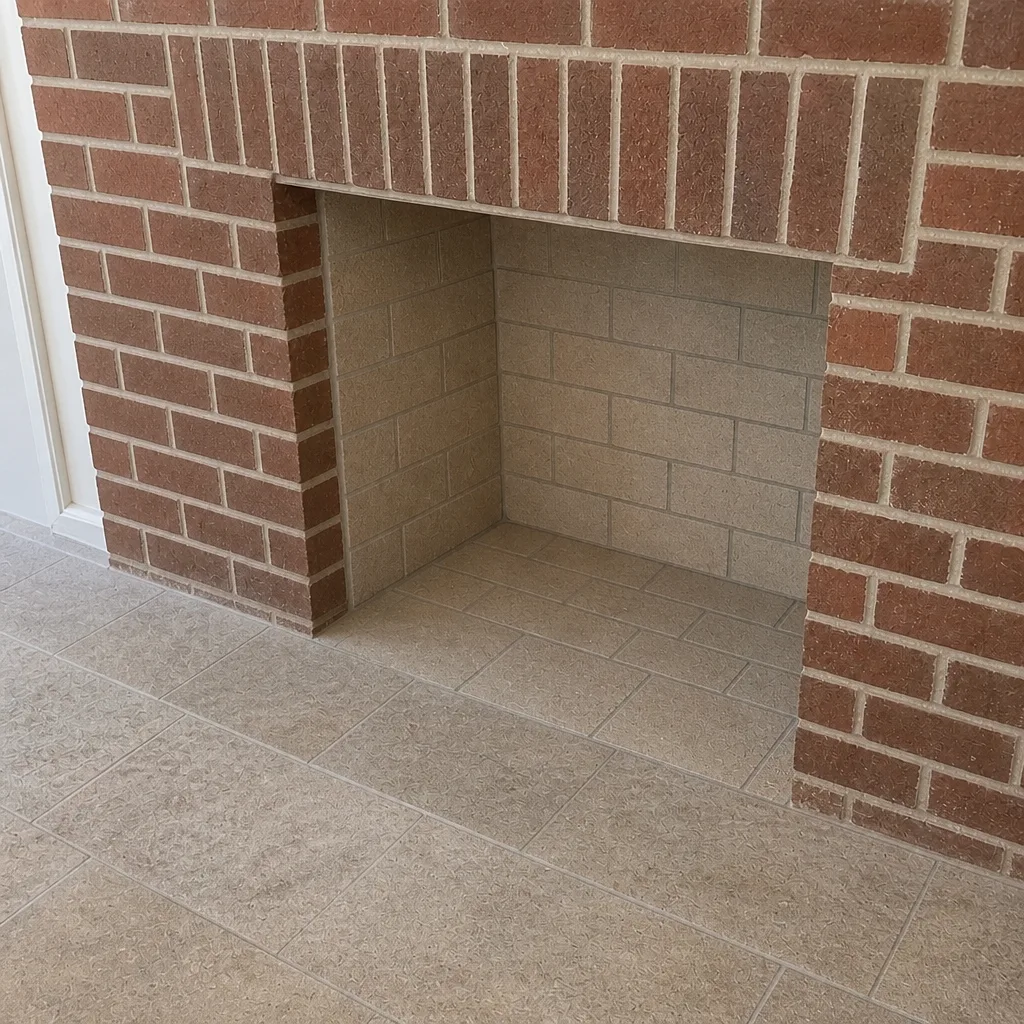
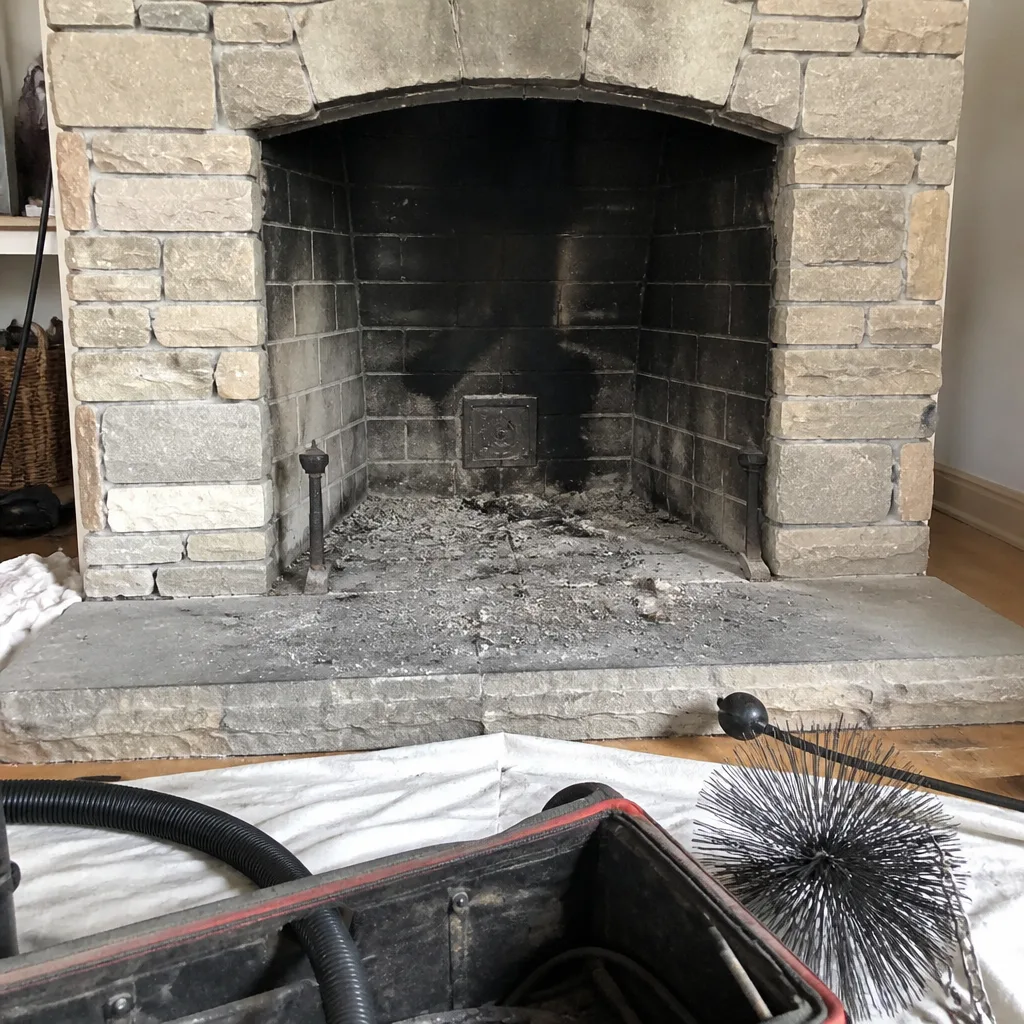
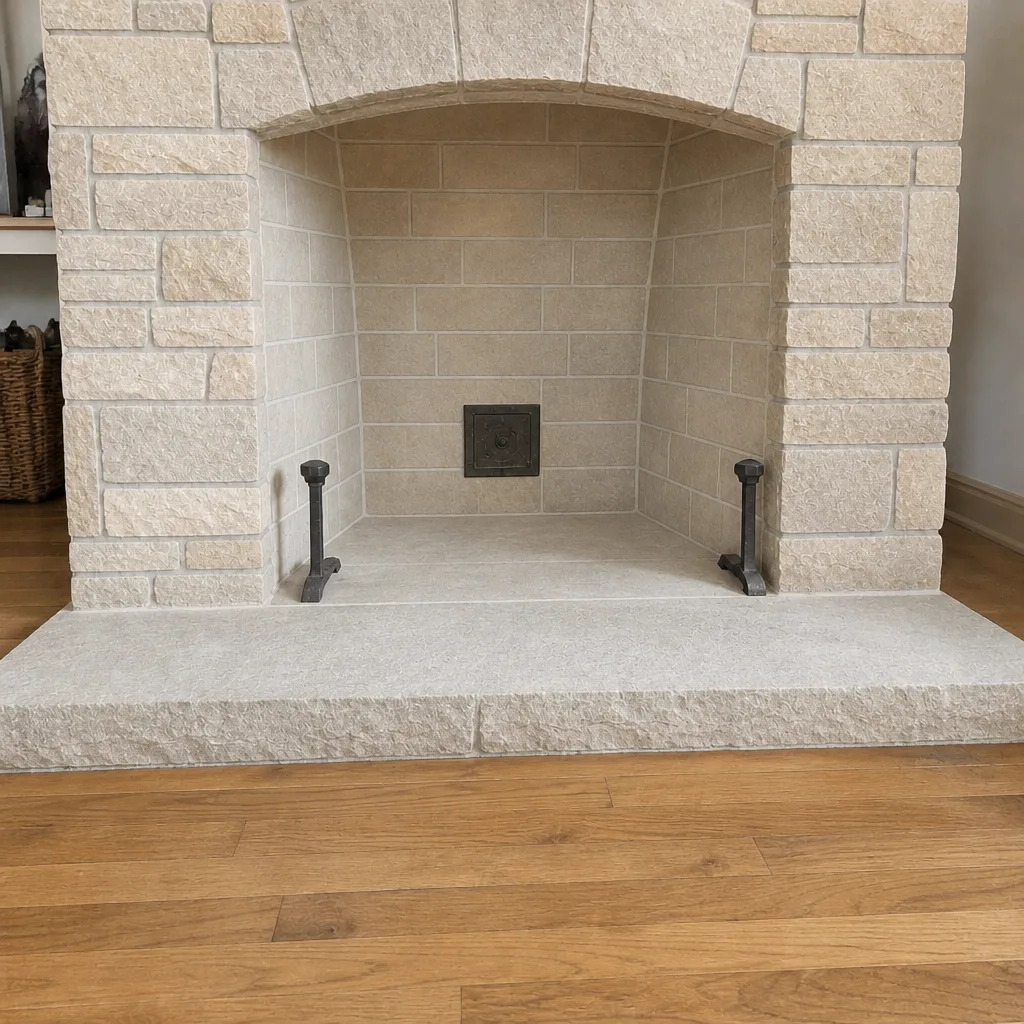
See the difference
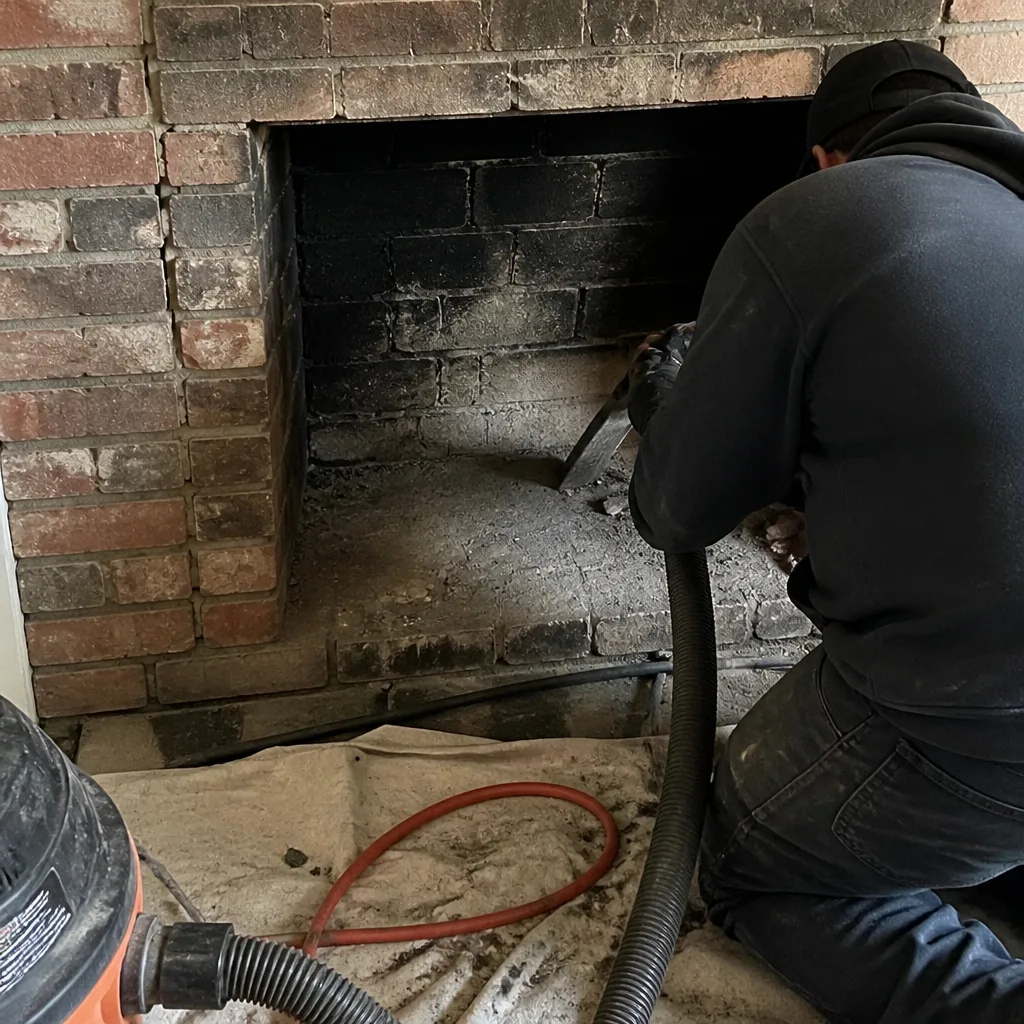 Before
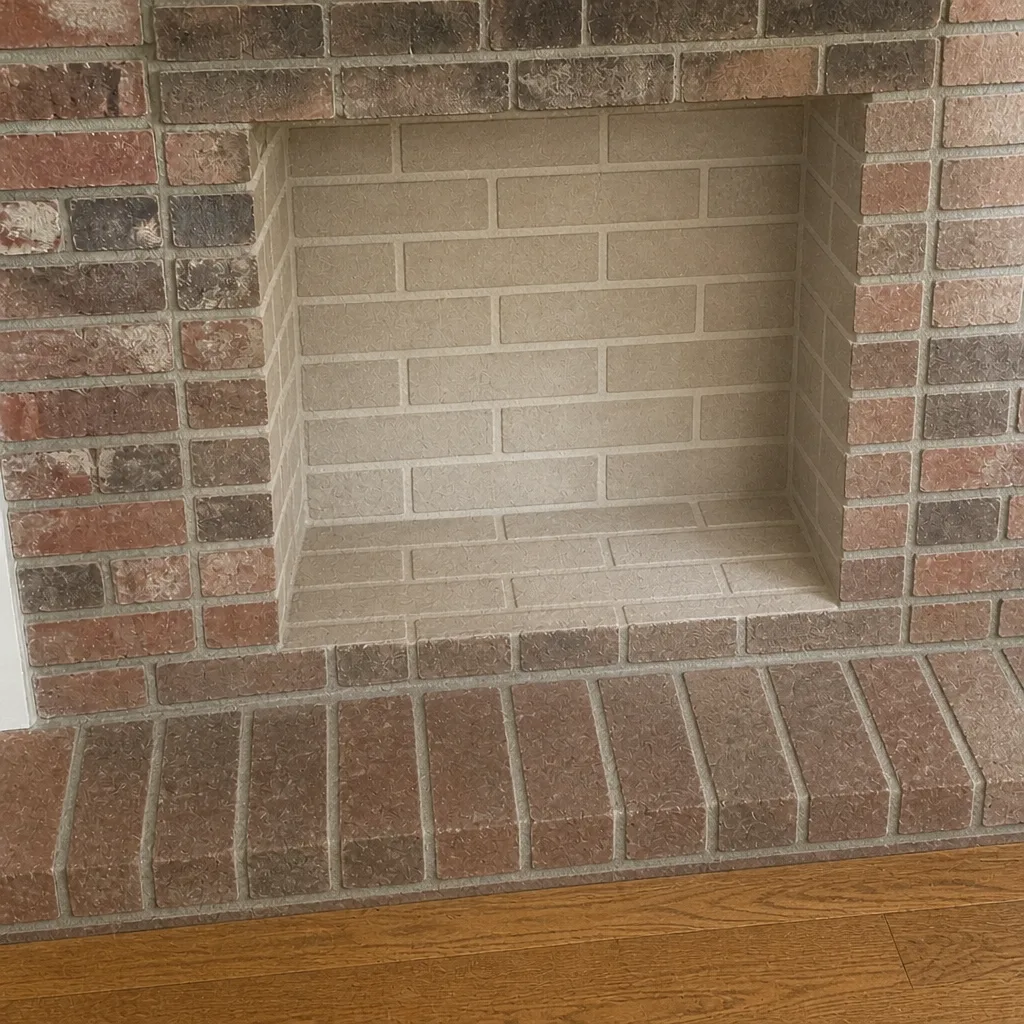 After
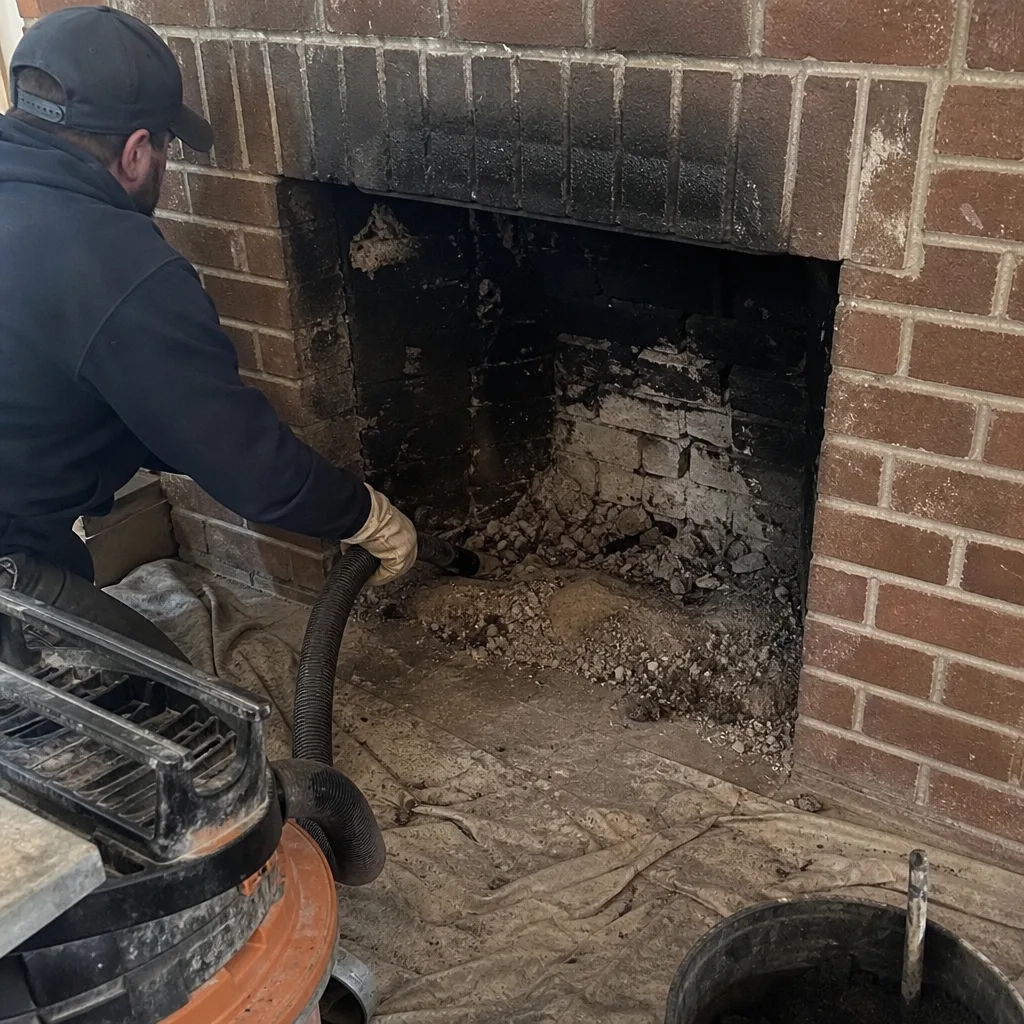 Before
 After
 Before
 After
When to Call a Professional
Call a professional when the work involves a liner, a firebox rebuild, structural masonry repair, a chase reconstruction or a new appliance connection. Call when you’ve bought a home in Wheat Ridge and have no record of a prior inspection. Call after a chimney fire, even a small one. Call when an insurer or a buyer’s inspector asks for documentation you don’t have. Call when a technician has recommended a repair and you want a second set of eyes before committing. Call when smoke is rolling back into the room at start-up, which is a drafting problem the camera will explain.
Chimney Sweep Wheat Ridge offers free estimates in Wheat Ridge. Call (866) 947-9417 for a free estimate. We answer 24/7. Fast dispatch from 7am to 7pm, Sunday through Friday. Our technicians have up to 8 years of experience, and we install DuraFlex liner systems and apply HeatShield ceramic resurfacing only when the camera evidence supports the repair. Nothing is recommended without evidence you can see for yourself, and we’ll tell you plainly when work can safely wait.
Frequently Asked Questions
No. Chimney cleaning and standard inspections are permit-exempt in Wheat Ridge. The permit question only arises when the work replaces a component of the venting system or alters the chimney’s structure. If a technician proposes a repair during a sweep, ask whether the repair is permit-exempt and get the answer in writing. Call (866) 947-9417 for an exact quote on a sweep; estimates are free.
In most cases yes. A liner replacement is a structural component of the venting system, and the International Residential Code and NFPA 211 classification treat it as a permitted scope under the local code adoption. The permit should be issued by the contractor before work begins. A contractor who resists pulling a permit on liner work is telling you something about how they operate. Call (866) 947-9417 and we’ll talk through the scope of your job.
A Level 1 inspection is a visual check of accessible components without a camera scan, and a Level 2 adds a video inspection of the flue interior plus access to the attic and crawl space. For a home sale, an insurance question or a permit application, a Level 2 is usually what’s asked for. For annual maintenance, a Level 1 is sufficient. If you’re not sure which one a buyer or insurer wants, ask them to specify. Call (866) 947-9417 and we’ll help you sort out which inspection your situation needs.
In some jurisdictions yes, but most chimney work involves the contractor’s license and knowledge of the code. The cleaner path is to have the company performing the work pull the permit in their name. The permit is issued against the licensed scope, and the inspection that follows validates the licensed work. A homeowner-issued permit puts the verification burden on the homeowner. Call (866) 947-9417 for an estimate on permitted work.
It doesn’t automatically have to be redone, but it does need to be documented. The path forward is a Level 2 inspection to record the current condition, then a conversation with the building department about a plan-review route for retroactive approval. Sometimes the installation is code-compliant and just needs the permit closed out. Sometimes it isn’t. Either way, it’s better to know before a closing table. Call (866) 947-9417 to schedule an inspection.
Annual sweeping is the maintenance baseline for a chimney that gets regular use during the heating season, and many Wheat Ridge homes need it more often because the burning season runs long. The right interval depends on how much you burn and what you burn; a camera check at the sweep tells you the actual creosote load. Call (866) 947-9417 for a sweep and inspection; estimates are free.
The Bottom Line
Chimney cleaning in Wheat Ridge doesn’t require a permit. Liner replacement, structural masonry repair and new appliance connections usually do, and the difference matters because the permit is what documents that the work was installed to code. A Level 2 inspection produces the record that insurers and buyers want. Keep the reports, keep the permit records, and keep the listing sheets. If you’re not sure where your chimney falls, ask for the answer in writing and confirm it with the building department. We install DuraFlex, apply HeatShield and install Gelco caps, and we’ll always tell you plainly when something can wait. Call (866) 947-9417 and we’ll put together a written estimate. We answer 24/7. Fast dispatch from 7am to 7pm, Sunday through Friday.
Written by the team at Chimney Sweep Wheat Ridge.