
Last updated November 24, 2026
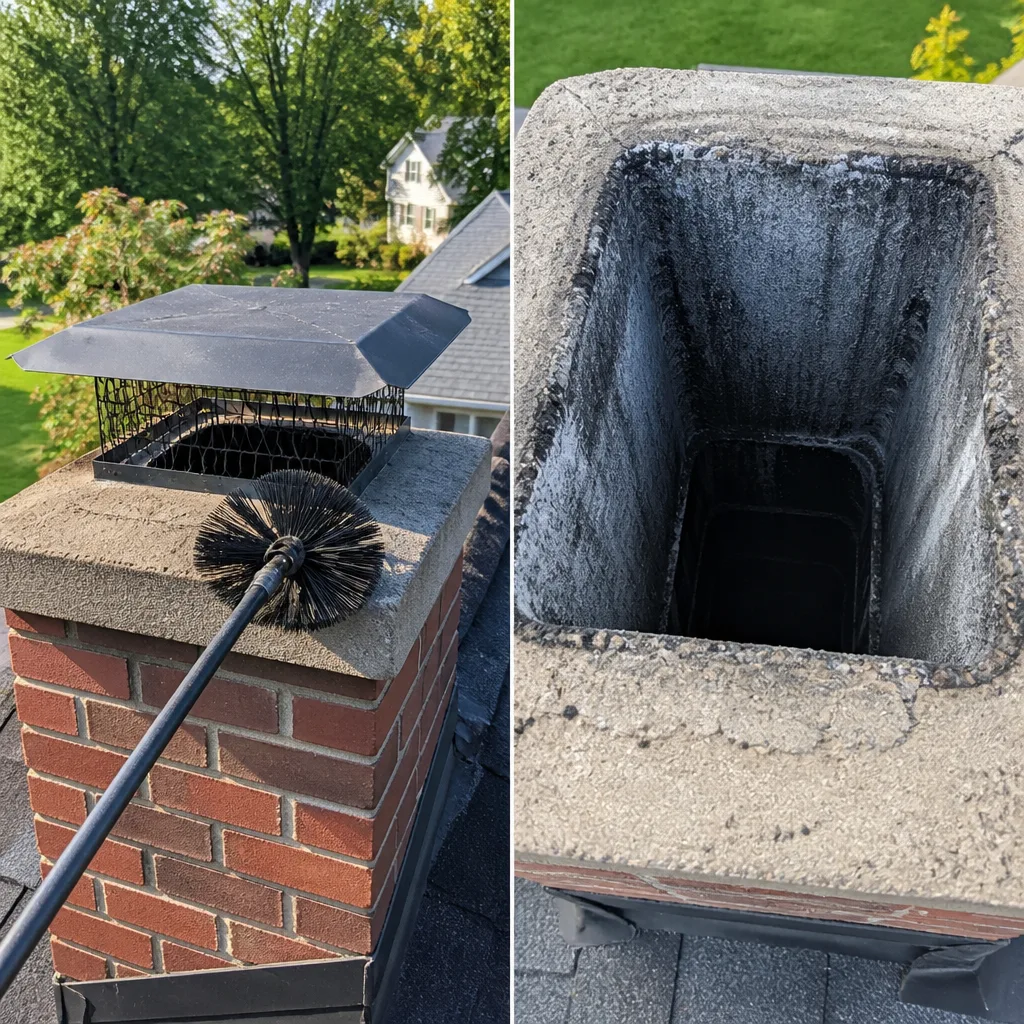 Sweep & inspection
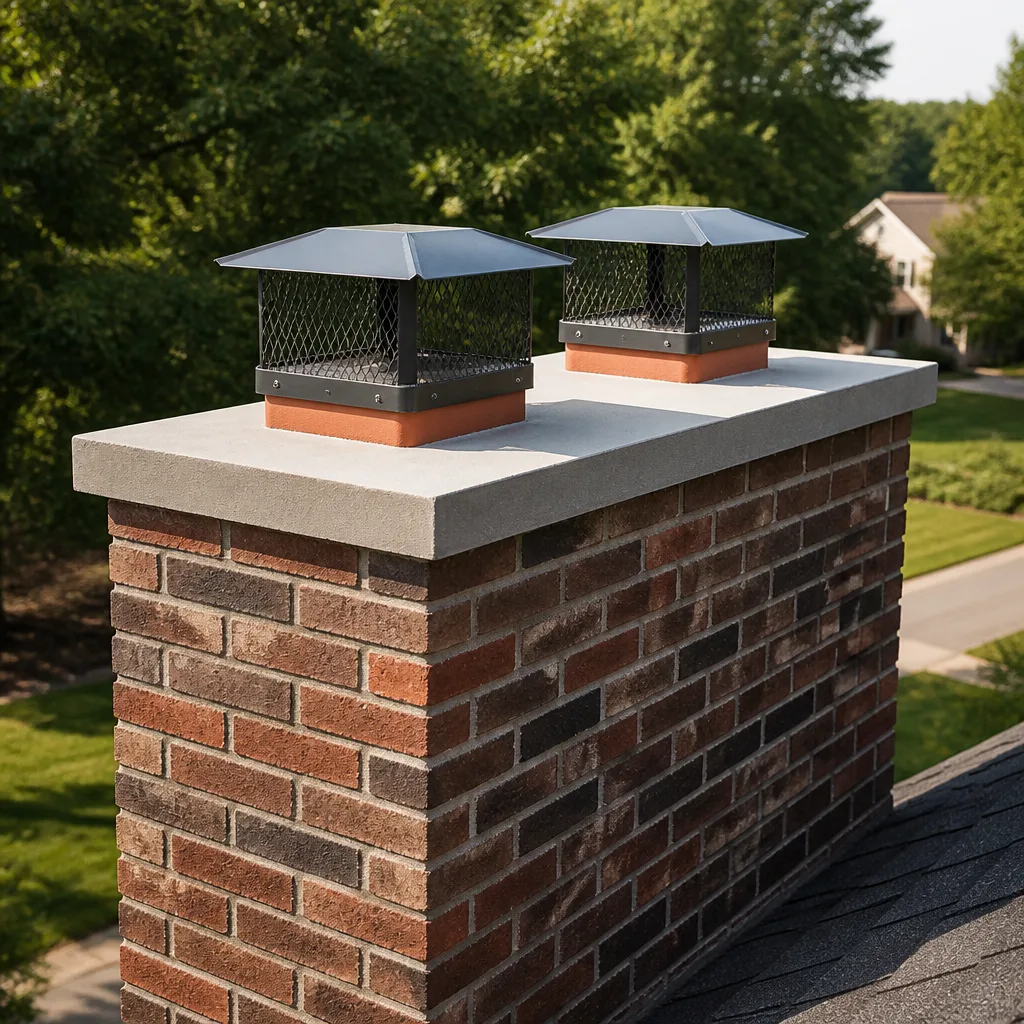 Caps & crowns
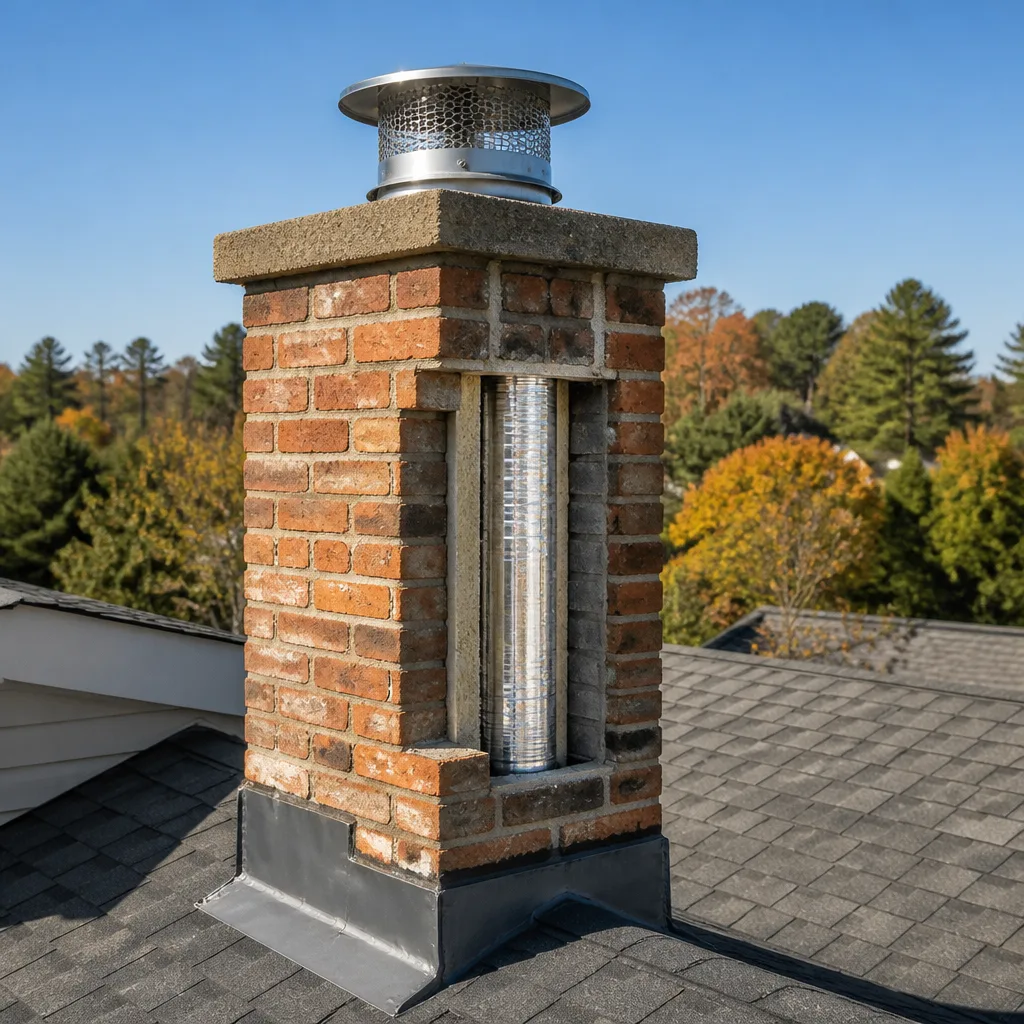 Flue relining
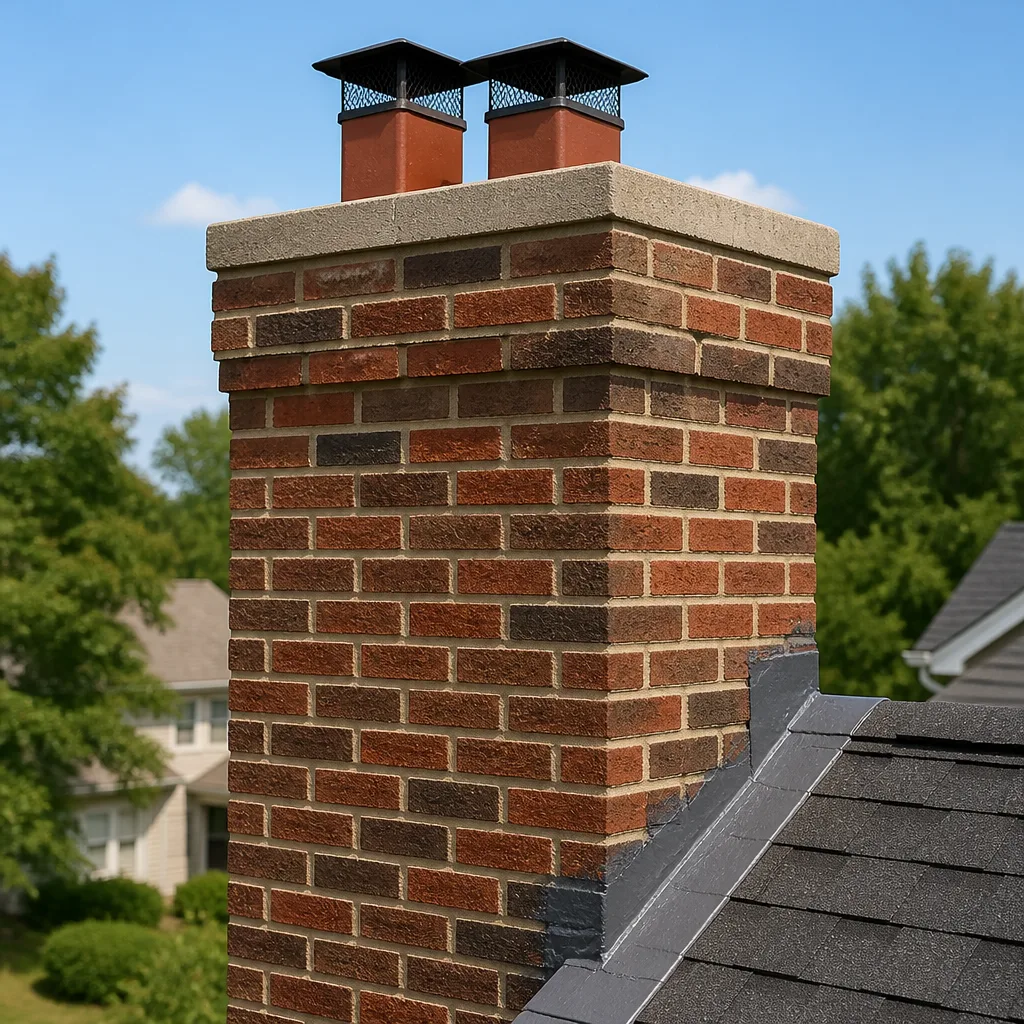 Masonry repair
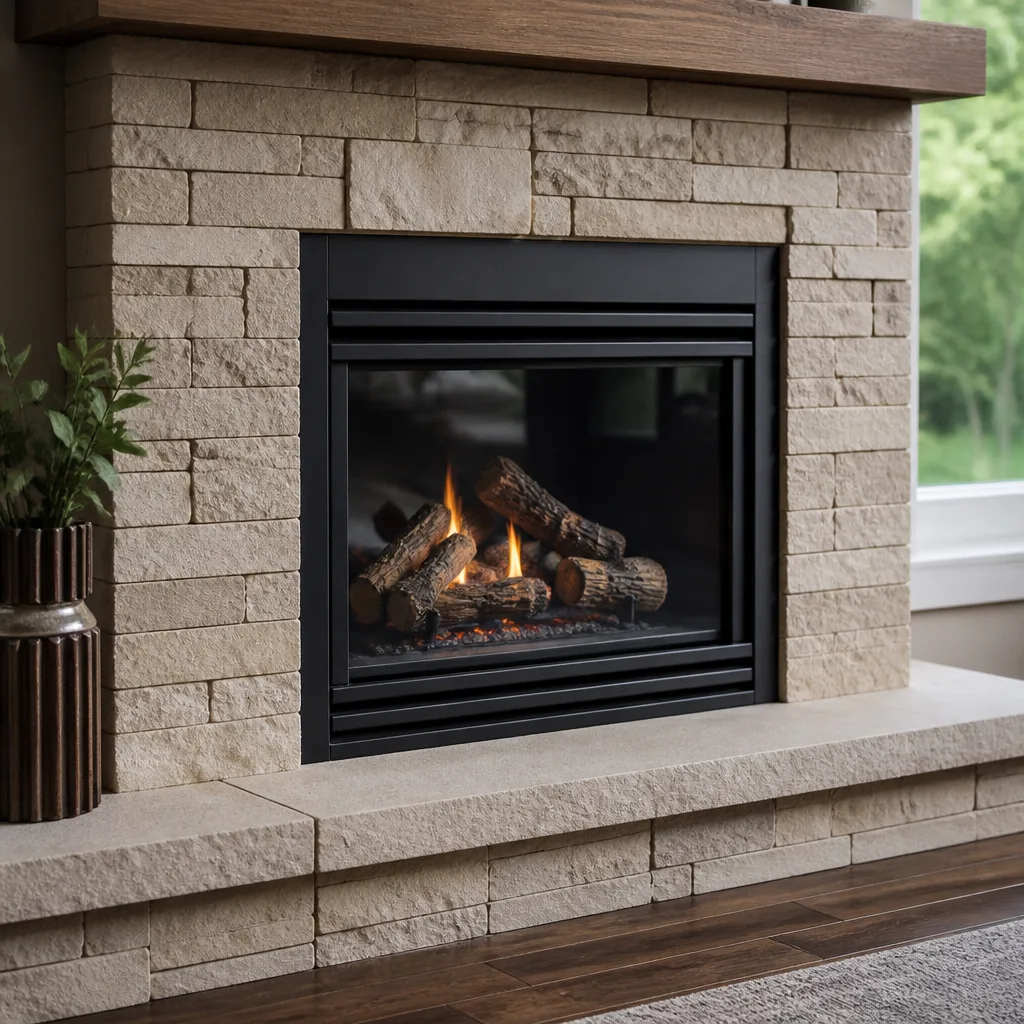 Gas fireplace service
Level 1 sweep and inspection to the NFPA 211 annual standard - flue, crown, cap, and flashing checked and photographed
Chimney sweep logs do not sweep chimneys. They loosen some creosote - which then falls where a brush and vacuum still have to collect it.
Chimney Cleaning Emergency Preparedness Guide for Wheat Ridge Homes
A chimney fire can reach 2,000°F inside the flue within 60 seconds of ignition, and the correct immediate response is not to put water on it. Water poured onto a creosote fire can crack the liner and push fire into the wall cavity around the chimney. Most Wheat Ridge homeowners have never thought through what they would actually do in those first ten minutes. This guide covers both halves of the problem: how to keep a chimney emergency from happening at all, and exactly what to do if one starts. We’ll walk through chimney fire signs, carbon monoxide risks tied to flue failures, post-fire documentation for insurance, and the inspection that follows. If you’d rather start with routine prevention, our Chimney Sweep Wheat Ridge page covers the basics.
Quick Answer
If you suspect a chimney fire, close the damper if you can do it safely, get everyone out of the house, and call 911. Never put water on a chimney fire. After the fire department clears the scene, a Level 2 inspection is required before the chimney is used again, and that inspection is also your insurance documentation. In Wheat Ridge, the bigger win is prevention: annual sweeping and inspection catch the creosote and liner damage that cause most emergencies before they start.
Styles & brands we work with
- Sweep & inspection
- Caps & crowns
- Flue relining
- Masonry repair
- Gas fireplace service
Table of Contents
- How do you know a chimney fire is happening?
- What should you do in the first ten minutes of a chimney fire?
- Why is water the wrong tool for a chimney fire?
- What carbon monoxide risks come with a failed flue?
- What should you document after a chimney fire?
- What does a Level 2 post-fire inspection look for?
- How do you prevent a chimney emergency in Wheat Ridge?
- When is the riskiest time of year for a Wheat Ridge chimney?
How do you know a chimney fire is happening?
A chimney fire is not always the roaring, visible-flames event people picture. Many are slow-burning events that smolder inside the flue for minutes and leave damage behind without anyone noticing until the next inspection. Wheat Ridge homes with wood-burning fireplaces and older masonry chimneys are the most common place we find evidence of one: glazed, puffy creosote on the flue walls, cracked tiles, or heat discoloration on the cap.
Know the cues that separate a chimney fire from normal combustion noise:
- Sound: a low rumble or roaring that builds, often described as sounding like a freight train or a distant jet. Normal fire crackle is irregular and small by comparison.
- Smell: a hot, acrid, tar-like odor inside the house, or smoke backing into a room with the damper open.
- Sight from outside: dense smoke or sparks coming from the top of the chimney, or a glow visible at the crown.
- Sight from inside: the flue pipe or firebox glowing, or the metal vent connector turning dull red.
- Feel: the chimney breast or surrounding wall becomes hot to the touch, and the cap or chase top warms far more than usual.
One cue alone doesn’t confirm a fire, but two together are reason to act as though it’s real. When in doubt, treat it as an emergency.
What should you do in the first ten minutes of a chimney fire?
The first ten minutes decide how much damage a chimney fire does. The correct sequence is short, and it’s worth rehearsing with everyone in the house so nobody has to think it through in the moment.
- Get everyone out first. Move people and pets outside and away from the chimney side of the house. This is the only step that can’t wait.
- Call 911. Even a fire that seems to be dying down can reignite in the flue or travel into concealed framing. Let the fire department assess it.
- Close the damper if you can reach it safely. Starving the fire of air slows it. If the firebox is too hot to approach, don’t try. Leave it and let the fire department handle it.
- Close the glass doors or firebox screen if it’s within reach, and shut off the air supply to the fire.
- Don’t open the firebox to look. Introducing air can feed the fire and pull smoke into the room.
- Note the time the fire started and when it seems to stop. The fire marshal and your insurance company will want that.
- Keep the chimney out of use until a technician has inspected it. A flue that survived a fire can still be compromised.
Wheat Ridge sits on the east slope where dry, windy stretches in late winter can push a small chimney fire into a structure fire faster than most people expect. The sequence above gives the fire department a head start.
Why is water the wrong tool for a chimney fire?
Pouring water down a chimney or onto a fire in the firebox is the single most common mistake we hear about. A chimney fire burns at temperatures that can exceed 2,000°F. The flue tile and the mortar around it are already stressed at that temperature. Cold water hitting a superheated flue can crack the liner, and once the liner is cracked the fire has a path into the wood framing and insulation around the chimney.
The same applies to a bucket of water on the firebox fire. It creates a steam explosion hazard, throws burning material out of the firebox, and can warp a metal firebox insert beyond repair. If you have a dry-chemical extinguisher rated for the fire, use it only if the fire is contained in the firebox and you can stand safely back. Otherwise, evacuate and call 911.
What about chimney fire extinguishing products like chimney bombs or flare sticks? Some are sold as a first response tool. We don’t recommend relying on one as your plan. They can knock down a small fire, but they don’t tell you whether the flue is damaged, and a fire that looks out can still be burning in the creosote above the flue. A professional inspection after any chimney fire is not optional.
What carbon monoxide risks come with a failed flue?
Carbon monoxide is the quiet half of chimney emergencies. A chimney fire can crack a flue liner, warp a metal liner, or separate a joint, and none of that is visible from the living room. Once the flue is compromised, combustion gases that should exit the chimney can enter the house instead. A blocked or partially blocked flue does the same thing without any fire at all: creosote, nesting material, or a collapsed tile can choke the draft and push CO back into the room.
What actually catches it:
- Placement matters more than count. A CO alarm belongs on every level of the home and outside each sleeping area. In a Wheat Ridge house with a basement fireplace or a furnace flue sharing the chimney, put one in the basement too.
- Height matters. CO mixes with air and rises. Wall-mounted alarms should sit at roughly breathing height per the manufacturer’s instructions, and ceiling units should be clear of dead-air corners near walls.
- Test the alarms on schedule and replace the sensor units by the manufacturer’s replacement date. An alarm that has aged out is not protecting anyone.
- Watch for backdraft signs: soot staining around the firebox, a smoky smell in the room with the damper open, or a fire that struggles to draw. Those are reasons to stop using the chimney and get it inspected.
If a CO alarm sounds, get everyone outside and call 911 first. Don’t open windows and wait to see whether it clears.
What should you document after a chimney fire?
Insurance claims for chimney fires go smoother when the documentation starts before the fire department leaves. Gather this while the scene is fresh:
- Photos and video of the fire scene from outside and inside, including the chimney top if it’s visible from the ground, the firebox, the damper, and any smoke or soot staining on walls.
- The fire department’s incident report number and the name of the responding officer or fire marshal. Ask how to request the written report.
- The fire marshal’s assessment of the cause and extent, in writing if it’s offered.
- The Level 2 inspection report and photos from the chimney technician, which is the document most insurers rely on to set the scope of repair.
- Any contractor estimates for the repair, itemized by component: liner, crown, cap, masonry.
Store everything in one folder, physical or digital, and send the insurer the inspection report with the photos attached. If the adjuster asks whether the liner needs replacement, the technician’s photos of the cracked or warped liner answer that question far better than a description.
What does a Level 2 post-fire inspection look for?
A Level 2 inspection is the standard after any chimney fire, any change to the chimney system, or any home sale. It’s more than a look up the flue. The technician uses a camera to see the full interior of the flue and checks the accessible parts of the chimney structure, including the attic, crawl space, and any concealed spaces the chimney passes through.
Specifically, in a Wheat Ridge home the inspection covers:
- Flue liner condition: cracked, spalled, or shifted clay tiles, and warped or separated metal liners. This is the most common fire damage.
- Creosote condition: glazed, puffy creosote that indicates a hot fire, and how much remains after the burn.
- Mortar joints and crown: cracked mortar between flue tiles, and a crown that’s cracked or pulling away from the flue.
- Chase and framing: heat damage, charring, or pyrolysis in the wood framing that touches the chimney.
- Cap and spark arrestor: a cap that’s warped, blocked, or missing, since a blocked cap is its own CO risk.
- Draft performance: whether the flue draws correctly after the fire, or whether damage has changed the pressure in the system.
If the liner is damaged, we install DuraFlex flexible liner systems, a professional-grade brand used by certified specialists, and we specify the product by name so you know exactly what’s going into your chimney. For a firebox or flue interior with surface damage short of replacement, HeatShield ceramic resurfacing is a repair option most sweeps can’t offer. Get the inspection report in hand before you commit to either.
How do you prevent a chimney emergency in Wheat Ridge?
Most chimney fires start with creosote, and creosote builds in every wood-burning chimney. The amount depends on how you burn, what you burn, and how often the chimney is cleaned. The prevention plan is straightforward:
- Sweep annually if you burn wood regularly. A professional chimney sweep removes the creosote layer before it reaches the stage where it ignites.
- Get a Level 1 inspection with every sweep, and a Level 2 when anything changes. A new appliance, a fire, storm damage, or a home purchase all warrant the deeper look.
- Burn seasoned, dry wood. Wet or green wood produces more creosote and less heat. Store firewood covered and off the ground.
- Don’t burn trash, cardboard, or wrapping paper. Those create floating embers and unpredictable flare-ups.
- Keep the cap in good shape. A damaged cap lets water and animals in, and a blocked cap is a CO risk. We use Gelco and Famco components for cap and crown work so the hardware is traceable and warrantied.
- Repair the crown before it fails. A cracked crown lets water into the masonry, which degrades the flue over time. Crown and chimney repair are part of the same visit.
On the fireplace side, a damaged firebox, a failing damper, or cracked firebrick should be looked at before the burning season. Our fireplace repair service covers the firebox and damper so the whole system is sound, not just the flue.
When is the riskiest time of year for a Wheat Ridge chimney?
The riskiest window in Wheat Ridge runs from the first cold snap through late winter. The first sustained cold pushes homeowners to light the first fire of the season, often in a chimney that’s been idle since spring. Creosote that built up last winter is still there. A bird or squirrel may have nested in the flue over the summer. The damper may be stuck. The first fire of the season is when a lot of problems surface, and it’s also when people are least prepared to deal with them.
The second window is the deep cold of January and February, when the fire burns hotter and longer and the creosote layer thickens faster. A chimney that was swept in October may have a fresh load of creosote by February if the household burns daily. That’s why the sweep schedule matters more than the calendar date.
Wheat Ridge’s high-desert climate contributes its own factor: dry, windy days in late winter and early spring can pull embers out of a chimney and onto a roof or into dry landscaping. A spark arrestor cap rated for the flue size reduces that risk. If a windstorm has knocked the cap loose or cracked the crown, that’s a repair to schedule before the next fire.
Common Mistakes to Avoid
- Putting water on a chimney fire. A superheated flue can crack when cold water hits it, and a cracked liner lets fire into the framing. Evacuate and call 911 instead.
- Skipping the inspection after a fire. A fire that looks out can leave a damaged liner behind. Using the chimney again without a Level 2 inspection risks CO in the living space.
- Relying on a chimney bomb as a plan. A flare stick can knock down a small fire, but it doesn’t tell you whether the flue is damaged. Get the inspection either way.
- Burning wet or green wood. In Wheat Ridge’s dry climate, wood seasons fast if it’s stored covered and off the ground. Wet wood produces more creosote and more chimney fire risk.
- Ignoring a cracked crown. Water gets into the masonry through a cracked crown, freezes, and spalls the flue tile. It’s a repair that costs far less than the liner replacement it prevents.
- Putting the CO alarm in the wrong spot. An alarm in a closet or high corner may not catch CO before it reaches the bedrooms. Follow the manufacturer’s placement instructions per level.
- Waiting for the first cold snap to book a sweep. The first fire of the season is the riskiest one, and the schedule fills as the weather turns. Book the sweep before the season starts.
See the difference
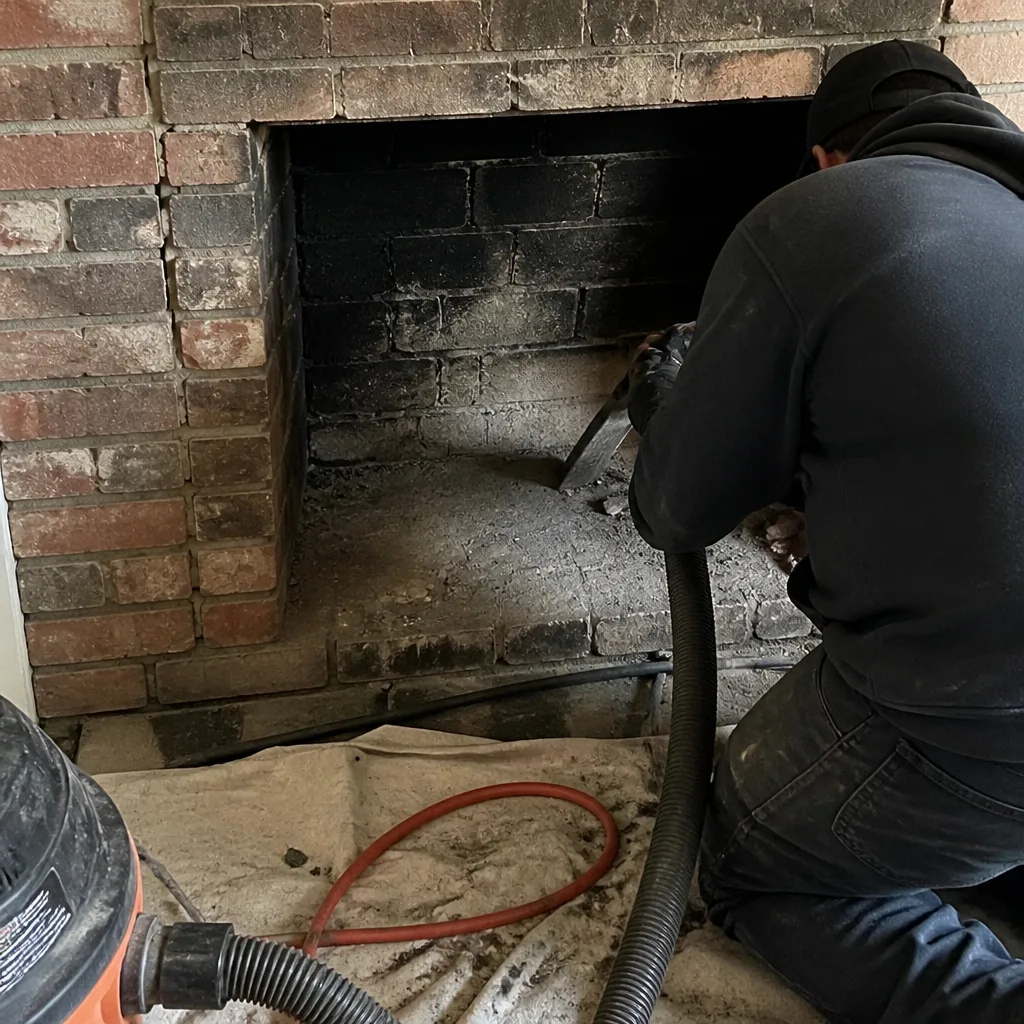 Before
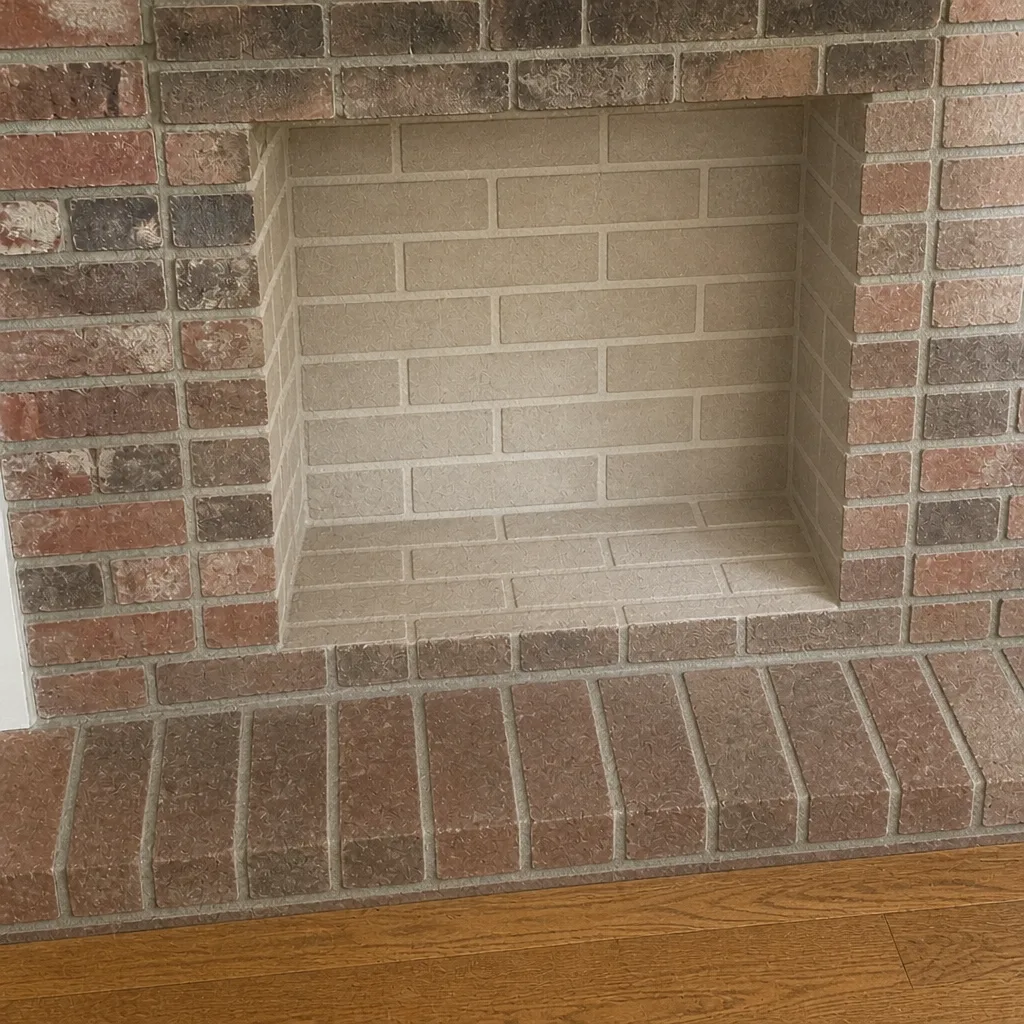 After
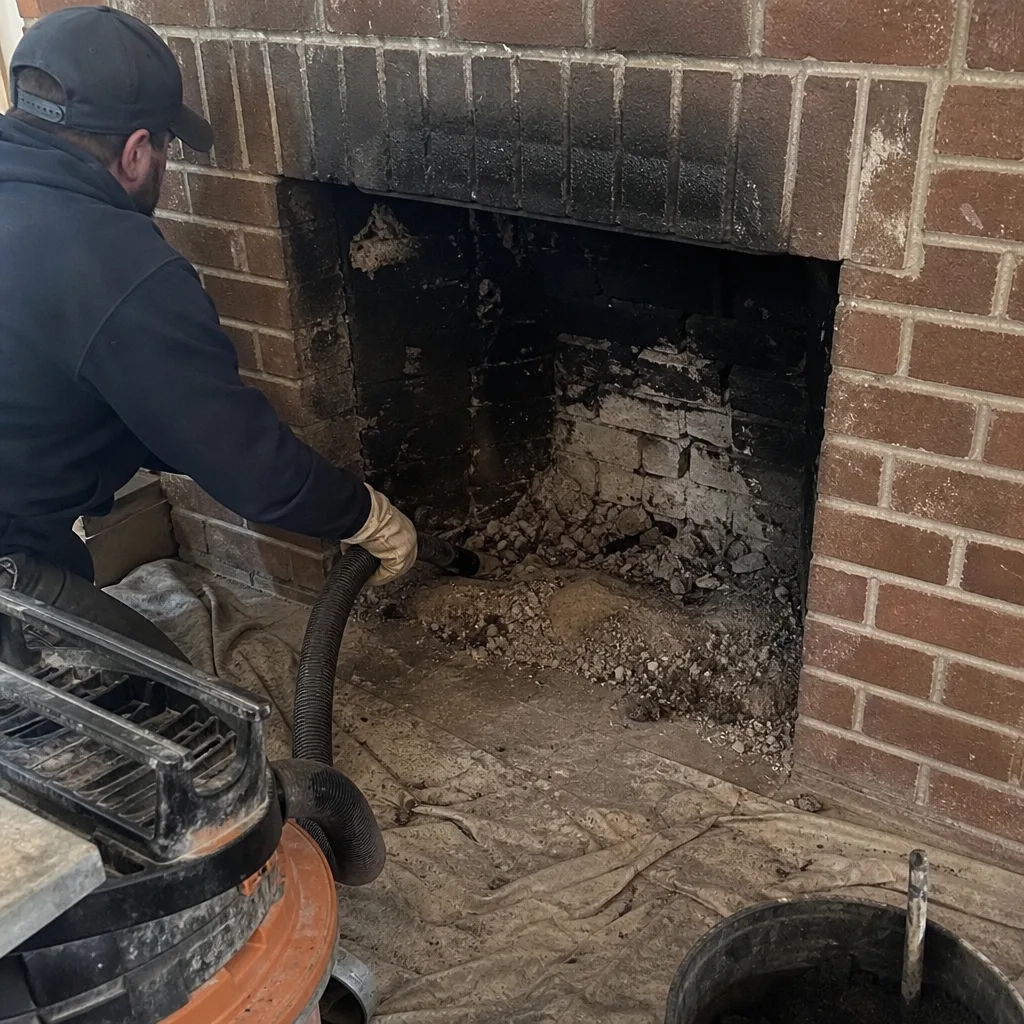 Before
 After
 Before
 After
When to Call a Professional
Call a professional if you’ve had any chimney fire, even a small one, or if you’ve noticed soot staining, smoke backing into the room, or a CO alarm sounding. Call before the burning season if the chimney hasn’t been swept in a year of regular wood burning, and call before the first fire if the chimney has sat idle through a summer of nesting season. Call if the crown is cracked, the cap is loose, or the firebox has cracked firebrick or a failing damper. And call if you’re not sure: a Level 2 inspection with a camera and a photo report answers the question without guesswork. Chimney Sweep Wheat Ridge offers free estimates in Wheat Ridge. Call (866) 947-9417. We answer 24/7. Fast dispatch from 7am to 7pm, Sunday through Friday.
Frequently Asked Questions
A standard chimney sweep in Wheat Ridge typically runs from around $150 to $350, depending on the flue configuration and how much creosote is present. An inspection is usually quoted with the sweep, and a Level 2 camera inspection adds to the estimate. The written estimate sets the final price, and the range is typical, not a promise. Call (866) 947-9417 for an exact quote. Estimates are free.
No, not until a Level 2 inspection confirms the flue is sound. A chimney fire can crack tiles, warp a metal liner, or damage the mortar joints in ways that aren’t visible from the firebox. Using the chimney again before inspection risks carbon monoxide in the living space or a second fire in a weakened flue. Book the inspection before the next fire.
Only if the inspection shows the liner is cracked, warped, or separated. A camera inspection with photos shows you the damage, and the report tells you whether a reline is needed or whether a resurfacing option will do. We won’t recommend a liner replacement without camera evidence you can see for yourself. If the liner is sound, we’ll tell you that too.
Once a year for a household that burns wood regularly, and more often if you burn daily through the winter. Wheat Ridge’s dry climate actually seasons firewood quickly, but the creosote load still depends on how dry the wood is and how often the fire runs. A sweep and inspection each fall, before the first fire, catches most problems in time.
Creosote builds up in layers, and when it reaches the glazed, puffy stage it can ignite from a hot ember or a hot fire. A chimney fire at that stage can damage the liner and the masonry within minutes. Skipping the sweep also means skipping the inspection that would catch a cracked crown or a blocked cap before it becomes a CO problem. Call (866) 947-9417 to book a sweep before the season.
One on every level and outside each sleeping area, with a unit in any room that has a fireplace, wood stove, or furnace flue. In a Wheat Ridge home with a basement fireplace, include the basement. Follow the manufacturer’s mounting height instructions. Test the alarms on schedule and replace sensor units by their replacement date.
The Bottom Line
Chimney emergencies in Wheat Ridge are mostly preventable. Annual sweeping removes the creosote that fuels chimney fires. A Level 1 inspection with every sweep, and a Level 2 inspection after any fire or change to the system, catches the cracked liners and damaged crowns that let carbon monoxide into the house. If a fire does start, the plan is simple: evacuate, call 911, close the damper if you can, and never use water. After the fire department clears the scene, document the damage and get a camera inspection before you light another fire. We handle the sweep, the inspection, the fireplace repair, the chimney repair, and the cap and crown work under one roof, so the diagnosis and the repair come from the same team.
If you’ve had a chimney fire, noticed smoke or soot problems, or want a sweep and inspection before the burning season, call Chimney Sweep Wheat Ridge at (866) 947-9417 for a free estimate. We answer 24/7. Fast dispatch from 7am to 7pm, Sunday through Friday. Our technicians have up to 8 years of experience, and we specify the product by name so you know exactly what’s going into your chimney.
Written by the team at Chimney Sweep Wheat Ridge.