
Last updated November 24, 2026
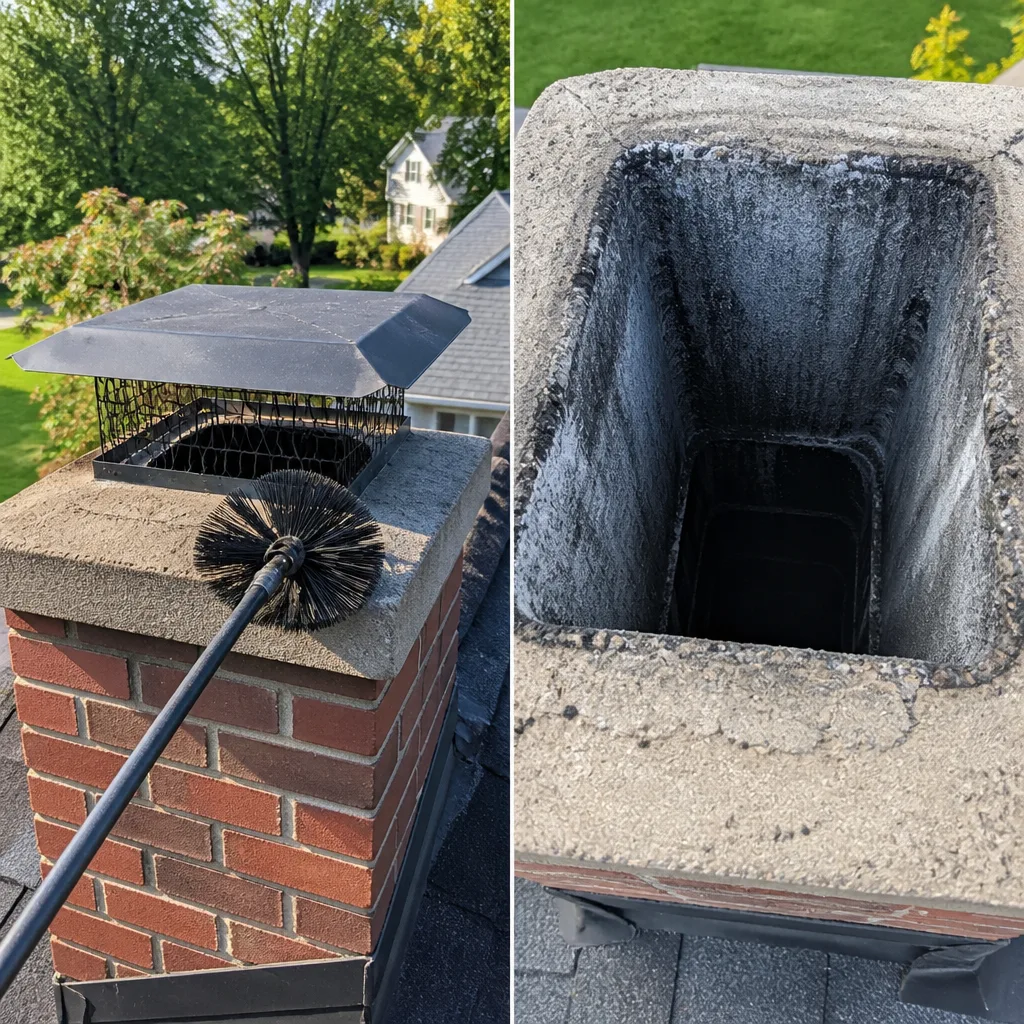 Sweep & inspection
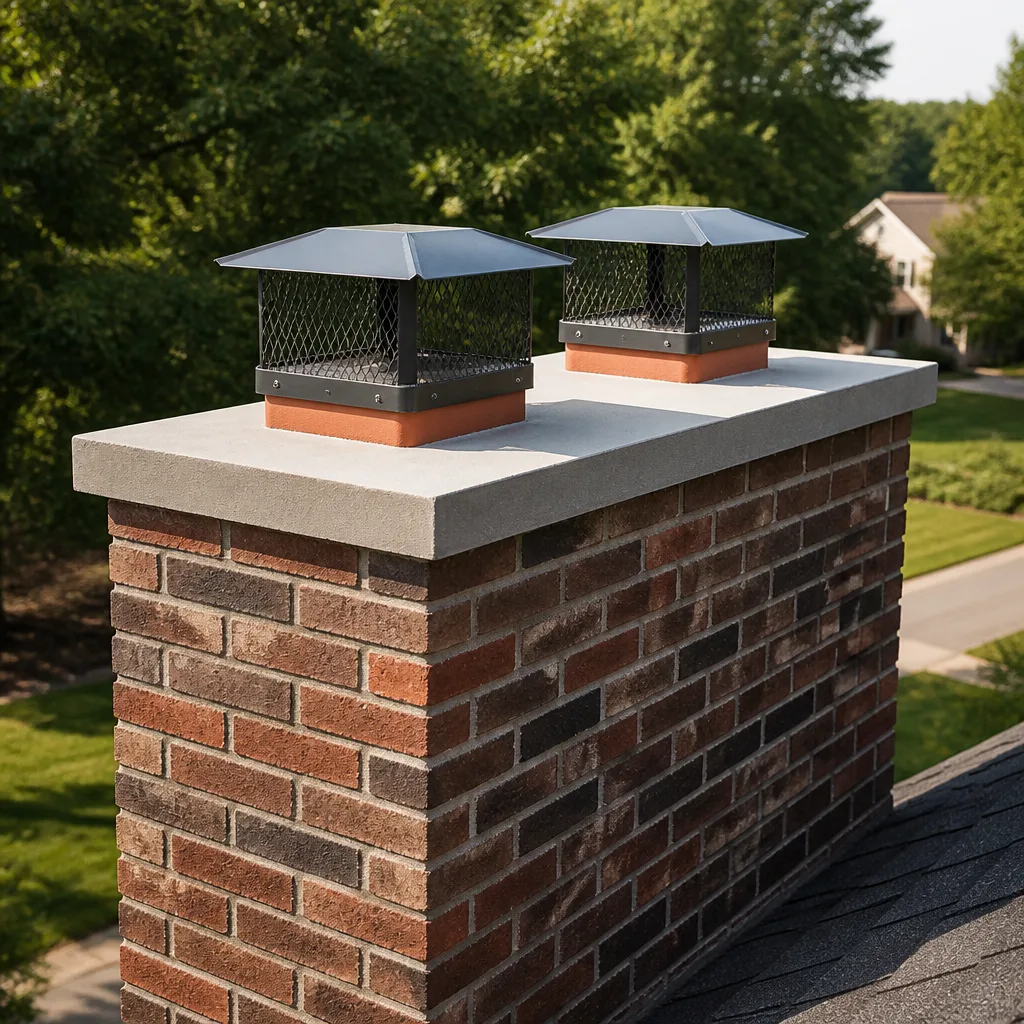 Caps & crowns
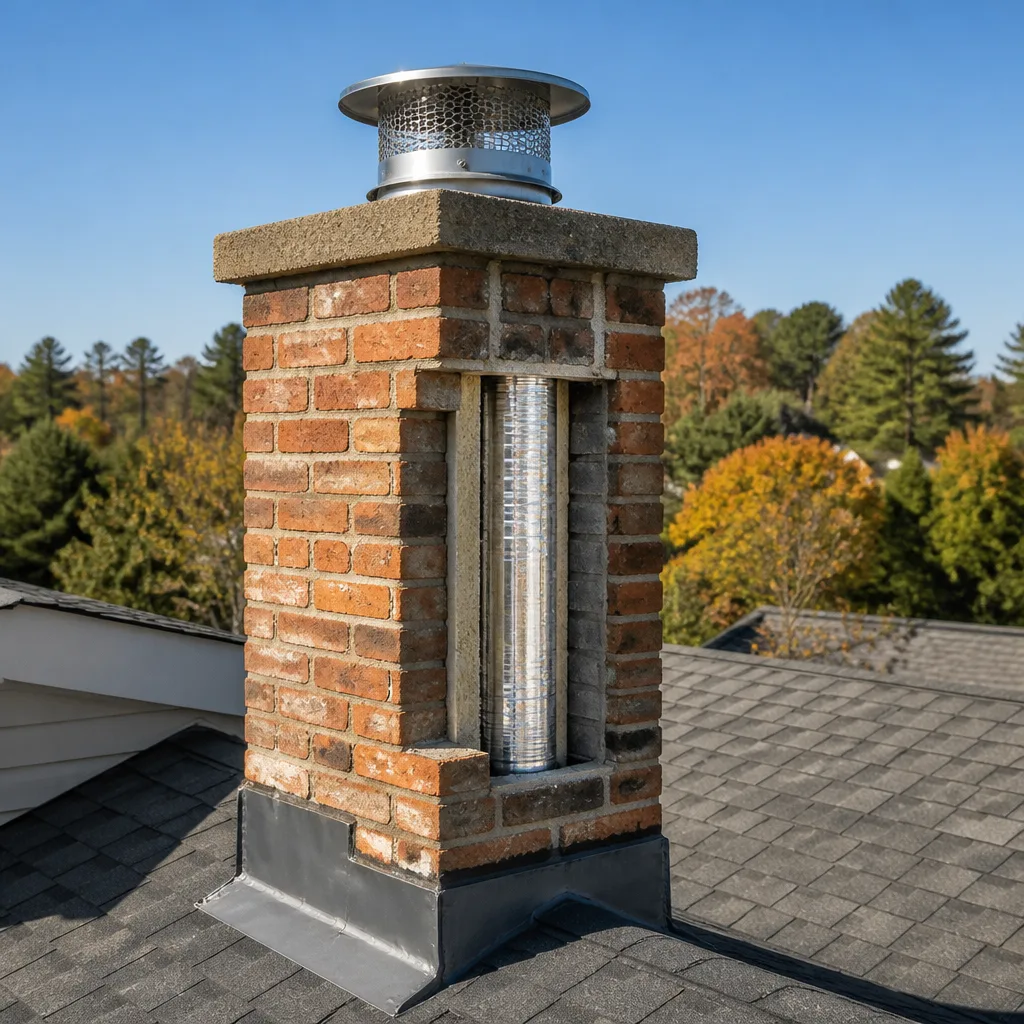 Flue relining
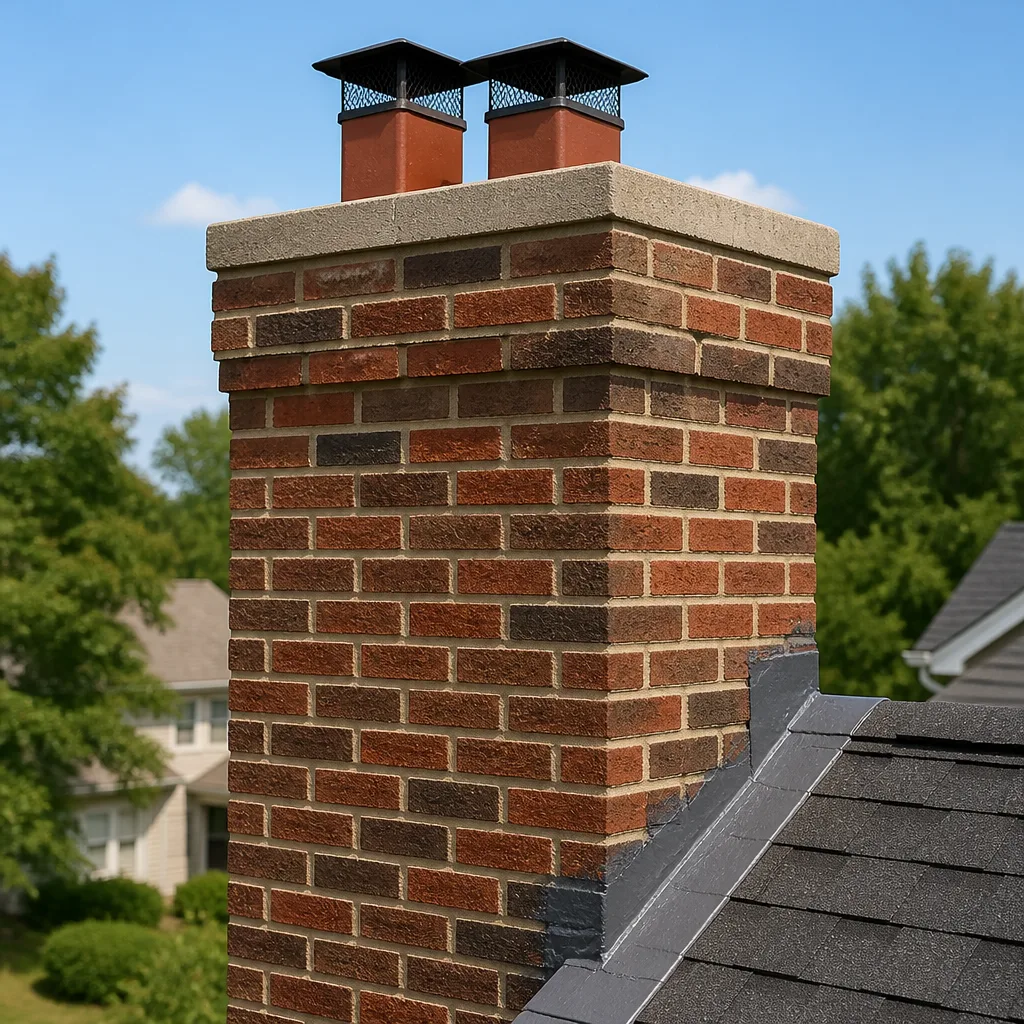 Masonry repair
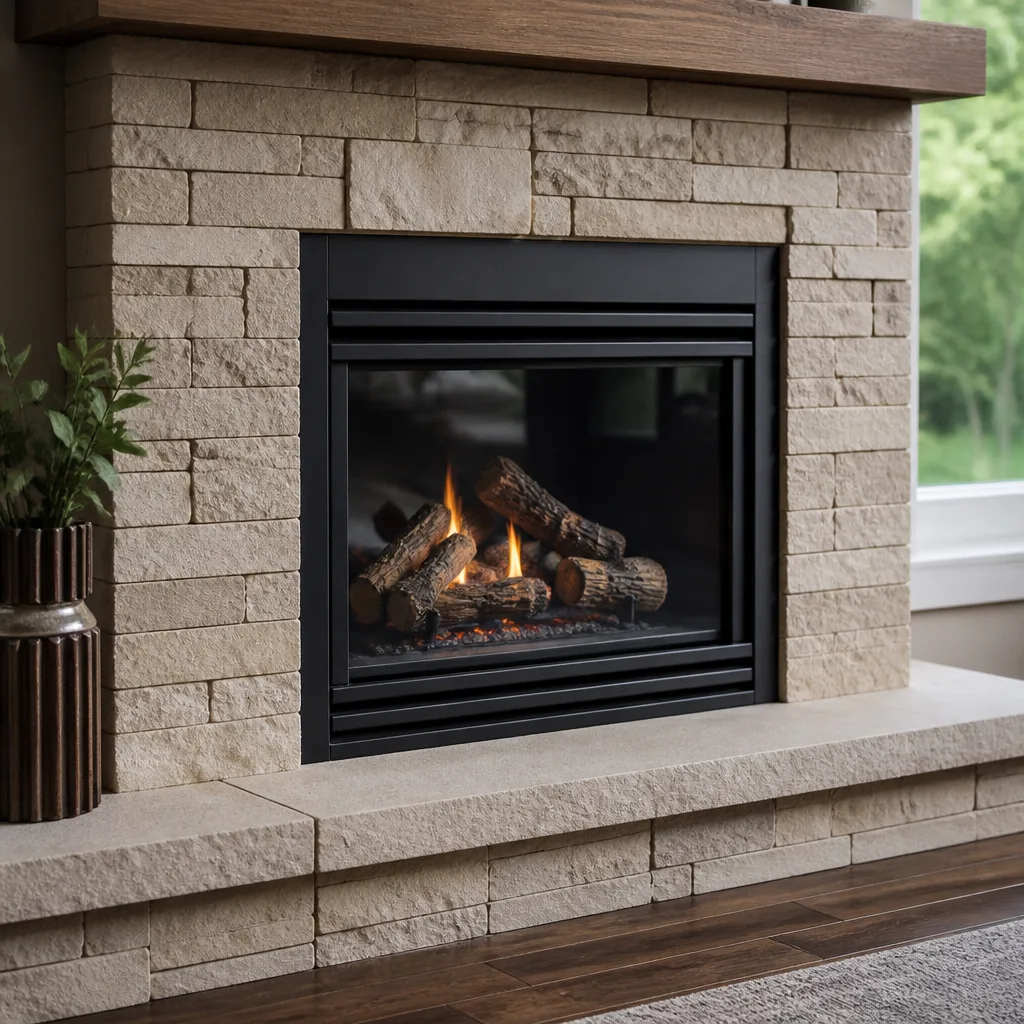 Gas fireplace service
Level 1 sweep and inspection to the NFPA 211 annual standard - flue, crown, cap, and flashing checked and photographed
Chimney sweep logs do not sweep chimneys. They loosen some creosote - which then falls where a brush and vacuum still have to collect it.
How to Hire a Chimney Cleaning Contractor in Wheat Ridge: A Step-by-Step Guide
Most homeowners assume the person on the roof with a brush is a chimney professional. In Colorado, that assumption is where trouble starts. Chimney sweeping doesn’t require a state-issued license here, so the barrier to entry is low enough that a meaningful share of “chimney cleaners” advertising around Wheat Ridge are really general handymen with a brush kit and a ladder. They can push soot out of a flue. What they can’t do is tell you whether your liner is cracked, whether your crown is failing, or whether the creosote in your flue is the kind that ignites.
The gap between a quick brush-and-go and a real sweep-and-inspect is the gap we walk through in this guide. We’ll cover the credentials that actually mean something, five questions that expose a generalist in under a minute, how to read a quote and a post-service report, and why the lowest bid in Wheat Ridge often reflects missing equipment rather than efficiency. By the end you’ll have a framework for vetting anyone who climbs onto your roof.
Quick Answer
To hire a chimney cleaning contractor in Wheat Ridge, verify the technician’s CSIA Certified Chimney Sweep or NFI credential independently, confirm they run a camera inspection and a rotary cleaning system, and insist on a written report with photos before any repair is recommended. A legitimate quote itemizes the sweep, the inspection level, and any repairs separately, and a professional will tell you plainly when work can safely wait. Price should be set by a written estimate, not by pressure on your doorstep.
Styles & brands we work with
- Sweep & inspection
- Caps & crowns
- Flue relining
- Masonry repair
- Gas fireplace service
Table of Contents
- Why Vetting a Chimney Contractor in Wheat Ridge Matters More Than You’d Think
- What CSIA and NFI Credentials Actually Mean (and How to Verify Them in Two Minutes)
- Five Questions That Separate a Chimney Technician From a Generalist
- How to Read a Chimney Cleaning Quote: What Should Be Itemized
- Why the Cheapest Quote Often Means Missing Equipment
- How to Read Your Post-Service Report
- Step-by-Step: The Vetting Process From First Call to Final Report
- Safety: What a Real Chimney Professional Will Always Flag
Why Vetting a Chimney Contractor in Wheat Ridge Matters More Than You’d Think
Wheat Ridge sits right against the foothills, which shapes how often and how hard local fireplaces work. Cold nights roll down off the Front Range well into spring and start again in early fall, and a lot of homes here burn steadily through that stretch. Steady burning builds creosote in layers, and creosote is the fuel in a chimney fire. A sweep who clears the flue but doesn’t classify that creosote, or check the liner it’s coating, has handled half the job.
Then there’s the housing stock. Wheat Ridge has a deep bench of mid-century homes, and many of their original flues were built to older standards or have been retrofitted by previous owners with whatever was available at the time. A flue that doesn’t match its appliance is a common find, and it’s exactly the kind of thing a generalist misses because they never look past the brush. When we run a chimney sweep in a house like that, the cleaning is the starting point, not the finish line.
Here’s the practical cost of a bad hire. A contractor without a camera can’t show you the inside of your flue, so any recommendation to reline or rebuild rests on guesswork. A contractor without a rotary system can’t properly remove glazed creosote, so they either skip it or hand you a chain with no follow-up. And a contractor who isn’t certified may not know the difference between a level-one inspection and a level-two, which means the report you get for your insurer or your own records may not hold up. In our experience, the vetting you do before the first call saves the most money and the most worry.
What CSIA and NFI Credentials Actually Mean (and How to Verify Them in Two Minutes)
Two credentials come up constantly when you shop for chimney work, and they mean different things. The CSIA Certified Chimney Sweep credential comes from the Chimney Safety Institute of America. It requires passing a proctored exam, committing to a code of ethics, and keeping the certification current with continuing education. NFI stands for the National Fireplace Institute, and its credentials cover hearth appliance installation and service, including gas and wood systems. Neither is a state license. Both tell you the person has been tested on the work rather than taught it by a YouTube video.
Verification is faster than most people expect. Here’s the two-minute version:
- Ask for the technician’s full name and certification number before the appointment, not after.
- Go to the CSIA website and use its “find a sweep” lookup to confirm the name and that the certification is active.
- For gas or wood appliance work, check the NFI directory for the matching credential.
- Confirm the certification belongs to the person coming to your house, not just to a company name on a truck.
A certified sweep will hand over that information without hesitation. Someone who gets cagey about a certificate number is telling you something. It’s also worth asking what the technician carries beyond certification. Ours have up to 8 years of experience, and they work with a defined roster of professional-grade brands, which matters when a repair comes up. A liner isn’t a generic part. When a DuraFlex flexible liner goes into an older or non-standard flue, sizing it correctly is the whole job, and that takes product familiarity a generalist simply doesn’t have. If you’d like to see how this plays out on a repair, our chimney repair page walks through what a proper diagnosis looks like.
One more credential question worth asking: does the company carry insurance? A legitimate contractor will confirm general liability coverage and workers’ compensation without a fuss. Someone working off the books on your roof is a liability you don’t want to inherit.
Five Questions That Separate a Chimney Technician From a Generalist
Certification gets you past the first gate. These five questions do the rest. Ask them on the phone before you book, and listen for whether the answer sounds like someone who does this every day or someone reciting a script.
1. “What levels of inspection do you offer, and which one am I getting?” A real technician distinguishes a level-one inspection (a visual check of an accessible chimney with the appliance in normal use) from a level-two (a camera inspection of the flue interior, required when there’s a change in the system, a transfer of property, or after a chimney fire). If the answer is vague, you’re talking to someone who doesn’t know the standards.
2. “How do you size a liner for my flue?” The right answer involves matching the liner to the appliance’s venting requirements and the flue’s actual dimensions, not eyeballing it. A technician who talks about measuring the flue and checking the appliance’s specs is thinking about the system. One who says “we just match what’s there” is guessing.
3. “How do you classify creosote, and what do you do about the glazed kind?” Creosote comes in stages, and the hard, glazed stage is the dangerous one. A technician should be able to describe the difference and explain that glazed creosote needs rotary removal, not a brush. This is a tell. Generalists skip it because they can’t remove it.
4. “Do you use a camera, and will I see the footage?” The answer should be yes on both counts. Camera footage is what lets you verify a recommendation yourself rather than taking it on faith.
5. “What’s in the written report I’ll get?” A professional describes photos, findings, and a clear statement of what’s urgent versus what can wait. If the report is a handwritten receipt, you’re not getting documentation you can use later.
Any technician worth hiring answers these without defensiveness. The Chimney Sweep Wheat Ridge team fields these exact questions regularly and treats them as a good sign, not an insult.
How to Read a Chimney Cleaning Quote: What Should Be Itemized
A chimney cleaning quote should tell you what’s being done, how it’s being checked, and what it costs, in separate lines. Vague lump sums and pressure to sign on the spot are the two biggest red flags. A legitimate quote, in our experience, breaks out the sweep itself, the inspection level included, any additional services like a cap or crown check, and the price per job as set by the written estimate. The estimate should be free, and it should be in writing before anyone books.
Here’s what a solid quote itemizes:
- The sweep itself, described by method (brush, rotary, or both), not just “cleaning.”
- The inspection level included with the sweep, and whether camera inspection is part of it.
- Any repairs listed separately with a description and the materials involved, so you can see what’s being proposed and why.
- Brands named where a repair is proposed. If a cap or crown is going on, you should know it’s a Gelco or a Famco component, not an anonymous piece of metal.
- A clear statement that the written estimate sets the final price.
Red flags in a quote look like this: a phone price that changes once the technician is on the roof, a recommendation to reline made before any camera work, a bundled “annual plan” push before you’ve seen a single photo, or a discount that expires today. None of those are about your chimney. All of them are about closing a sale. A chimney professional is happy to let you sit with the estimate and call back.
Why the Cheapest Quote Often Means Missing Equipment
When one quote is noticeably lower than the rest, the difference is usually equipment and time, not efficiency. A proper sweep and inspection takes real tools and real hours. A low bid often reflects the absence of both. Here’s what tends to be missing from the cheapest quote:
- A camera system. Without one, the technician can’t see the flue interior, which means the “inspection” is a glance up from the firebox.
- A rotary cleaning system. Brush-only sweeps leave glazed creosote behind, and glazed creosote is the fuel that drives chimney fires.
- Proper drop cloths and containment. A sweep that doesn’t seal the firebox opening sends soot into the room. The cheap quote often skips the containment setup.
- Documentation. Photos and a written report take time. A cut-rate job usually ends with a verbal “you’re all set.”
- Product knowledge. When a repair comes up, the low bidder may not know HeatShield ceramic resurfacing exists for a deteriorating flue interior, so the recommendation jumps straight to the most expensive option, or worse, gets skipped entirely.
The math on a cheap sweep isn’t about the sweep. It’s about what gets missed and what that costs later. A missed liner crack can mean a reline you didn’t plan for, and those aren’t small jobs. Paying a fair price for a real inspection the first time is the cheaper path in Wheat Ridge, where older flues are common and the odds of finding something worth knowing about are higher than average. If a repair does come up, our fireplace repair service covers the firebox and interior side of the system with the same team that ran the inspection.
How to Read Your Post-Service Report
When the job’s done, you should walk away with a document, not a verbal summary. A proper post-service report is your record for insurance, resale, and future service, and it should let you see what the technician saw. Here’s what a report worth keeping contains:
- Photos of the flue interior, taken with a camera, showing the condition before and after cleaning.
- The inspection level performed, stated plainly, along with any limitations (for example, an inaccessible section of flue).
- Creosote classification and how much was removed.
- Findings on the liner, crown, cap, and firebox, described in plain language and rated by urgency.
- Recommendations that separate “do this now” from “keep an eye on this,” so you know what can safely wait.
- The materials used for any repair, named by brand.
Read the report before you file it. If a recommendation to reline or rebuild appears, it should be backed by a photo you can look at yourself. If it isn’t, ask for one. A chimney professional will pull up the image without a fuss. That’s the whole point of running a camera in the first place. On a chimney repair call, our technicians work with HeatShield ceramic resurfacing for deteriorating flue interiors, a repair most sweeps can’t offer, and the report will show you the surface condition that called for it. You’re not being asked to take it on faith. You’re being shown the problem.
Step-by-Step: The Vetting Process From First Call to Final Report
Here’s the whole process in order. It takes about ten minutes of your time before the appointment and gives you a framework you can reuse every year.
- Ask for credentials on the first call. Get the technician’s name and CSIA or NFI certification number. Verify it yourself before booking.
- Ask about equipment. Confirm a camera inspection and a rotary cleaning system are part of the service, not an add-on you have to request.
- Request a written, itemized estimate. Make sure the sweep, the inspection level, and any repairs are listed separately, and that the price is set per job by that estimate.
- Confirm insurance. Ask about general liability and workers’ compensation coverage.
- Ask what the report will contain. Photos, findings, and a clear statement of what’s urgent versus what can wait.
- Book the appointment. Here in Wheat Ridge, the busiest stretch is late summer and early fall, before the burning season starts, so book ahead of the first cold snap.
- Read the report and review the photos. Ask questions about anything you don’t understand. Ask specifically about anything recommended with a large price tag, and ask for the photo that supports it.
- Keep the report. It’s your record for insurance and for the next technician who works on the chimney.
If a step feels rushed, slow it down. The right contractor will let you. And if a door or flue fails mid-season, you can call us and we’ll book you into the next opening, Sunday through Friday. We’re closed Saturday, so a weekend call gets scheduled for Sunday.
Safety: What a Real Chimney Professional Will Always Flag
A chimney professional’s job includes telling you things you’d rather not hear, and the big ones are fire and carbon monoxide. Creosote buildup is the fuel that allows a chimney fire to start, and a cracked or damaged liner can let combustion gases, including carbon monoxide, escape into the home instead of venting outside. Neither risk is visible from the living room. Both are visible with a camera and a careful inspection, which is exactly why the equipment question matters so much.
A real technician will also tell you when work can safely wait. Not every finding needs a same-week repair, and a professional who says “your crown has a few more seasons in it, but let’s check it again next year” is giving you a more useful answer than one who quotes a full rebuild on the spot. If a repair or reline is genuinely needed, ask the technician to show you why. If the recommendation involves a component like a Gas or wood venting part from Olympia Chimney or a HeatShield repair, ask what the material is and what it does. The technician should be able to explain it in plain terms.
One safety rule holds across every job: high-heat chimney work, liner installation, and any work involving gas appliances or roof-level height should be left to a trained professional. We don’t recommend do-it-yourself liner or flue repair, and no responsible contractor will. The danger to you and your home isn’t worth the money saved.
Common Mistakes to Avoid
- Booking on price alone. The lowest quote in Wheat Ridge often reflects missing camera equipment and a brush-only sweep, not efficiency. You’ll usually pay for the gap later.
- Skipping the certification check. A truck with a company name on it proves nothing about the technician’s credentials. Verify the CSIA or NFI listing yourself before the appointment.
- Accepting a reline recommendation without photos. If you can’t see the problem in a photo, you can’t verify it. Ask for the camera image and don’t book the job until you have it.
- Booking during the first cold snap. Wheat Ridge chimney work piles up in early fall, right before the burning season. Book in late summer and you’ll have more room on the calendar.
- Going with a general handyman because the sweep seems simple. A brush-and-go without an inspection misses the liner cracks and glazed creosote that actually cause fires. The cleaning is the entry point; the inspection is the point.
- Tossing the report. Keep the written report and photos. You’ll want them for insurance, for resale, and for the next technician who works on the chimney.
- Letting a company quote repairs off a verbal only. Ask for the itemized estimate and the photo evidence behind any recommendation. A professional will hand both over without being asked twice.
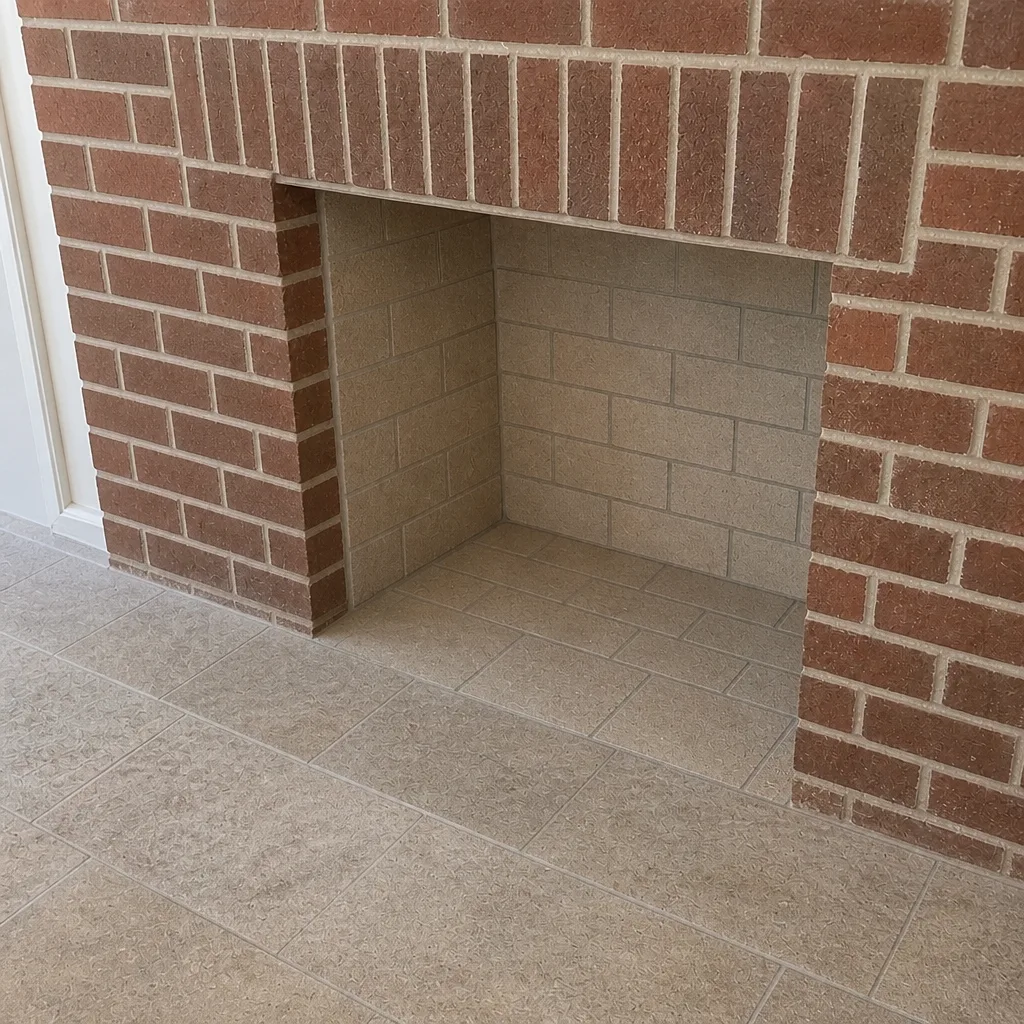
See the difference
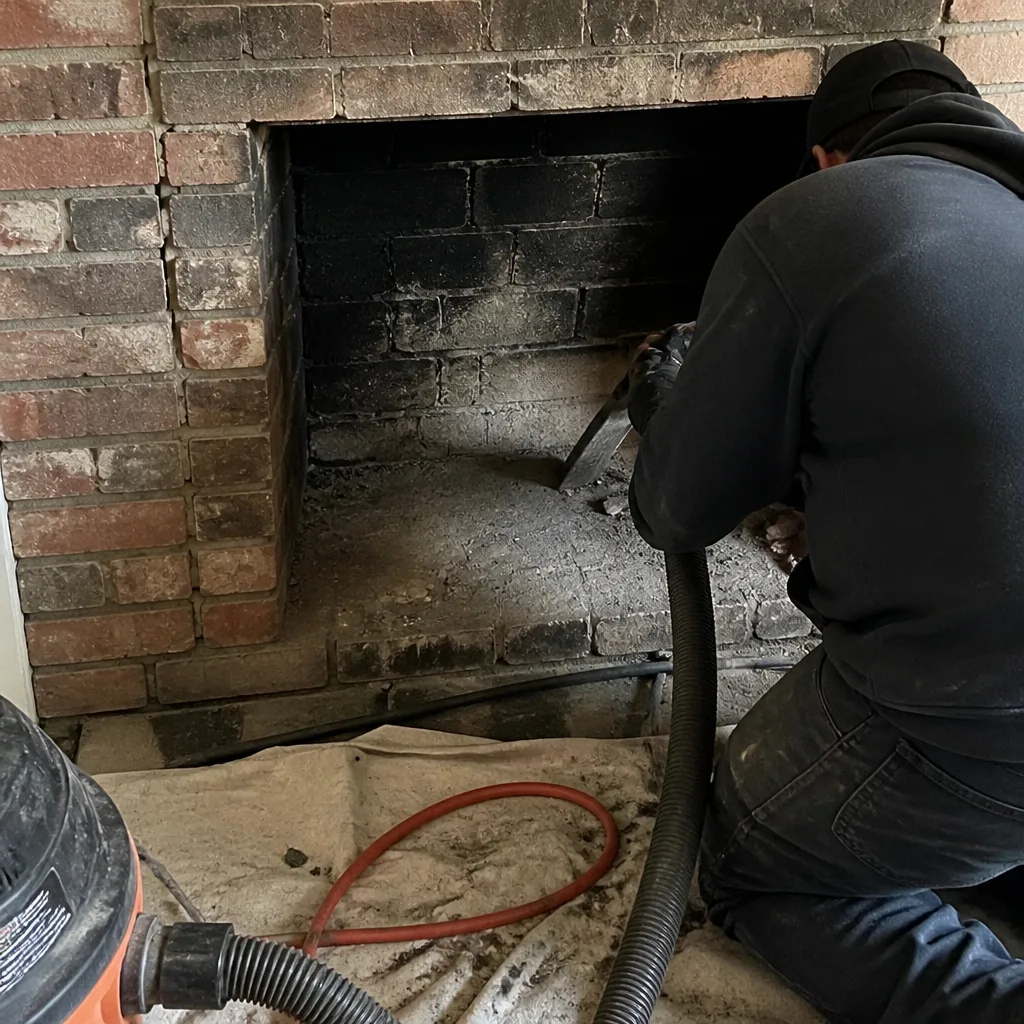 Before
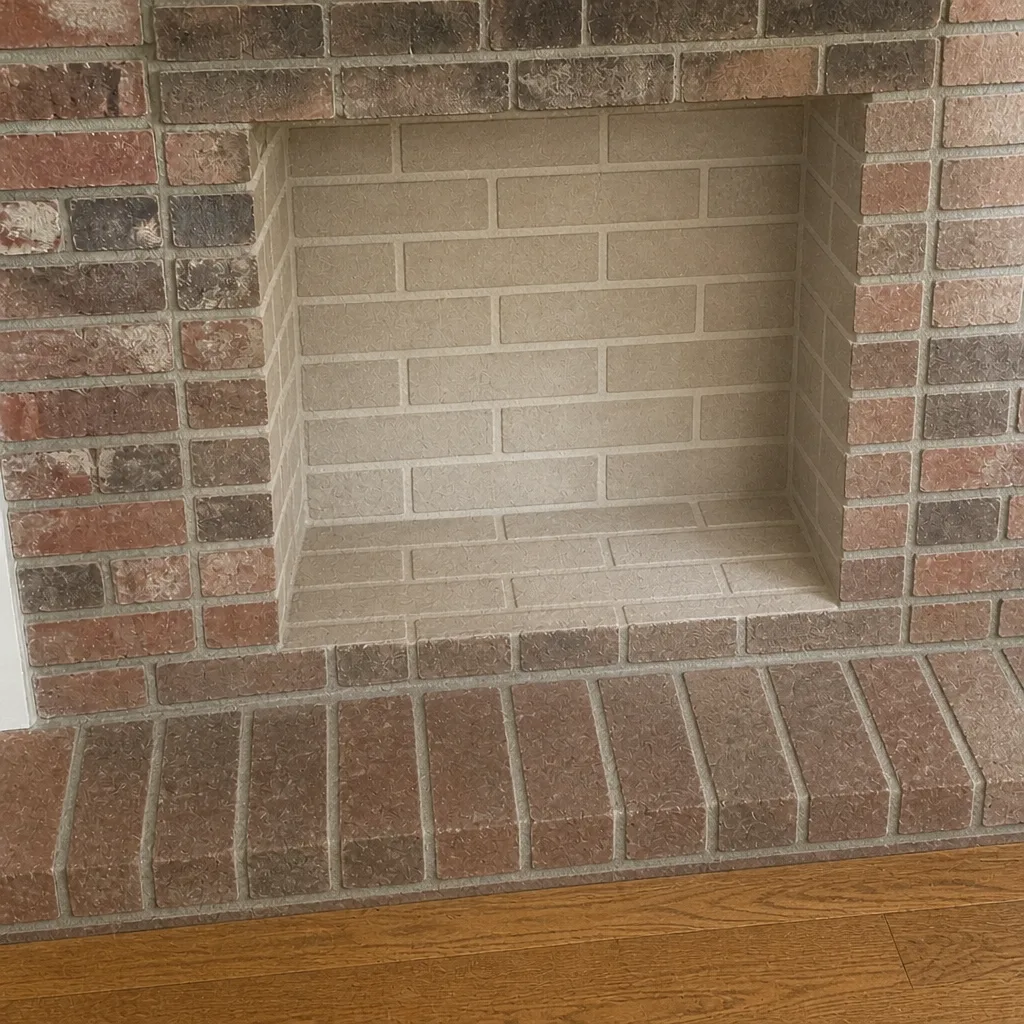 After
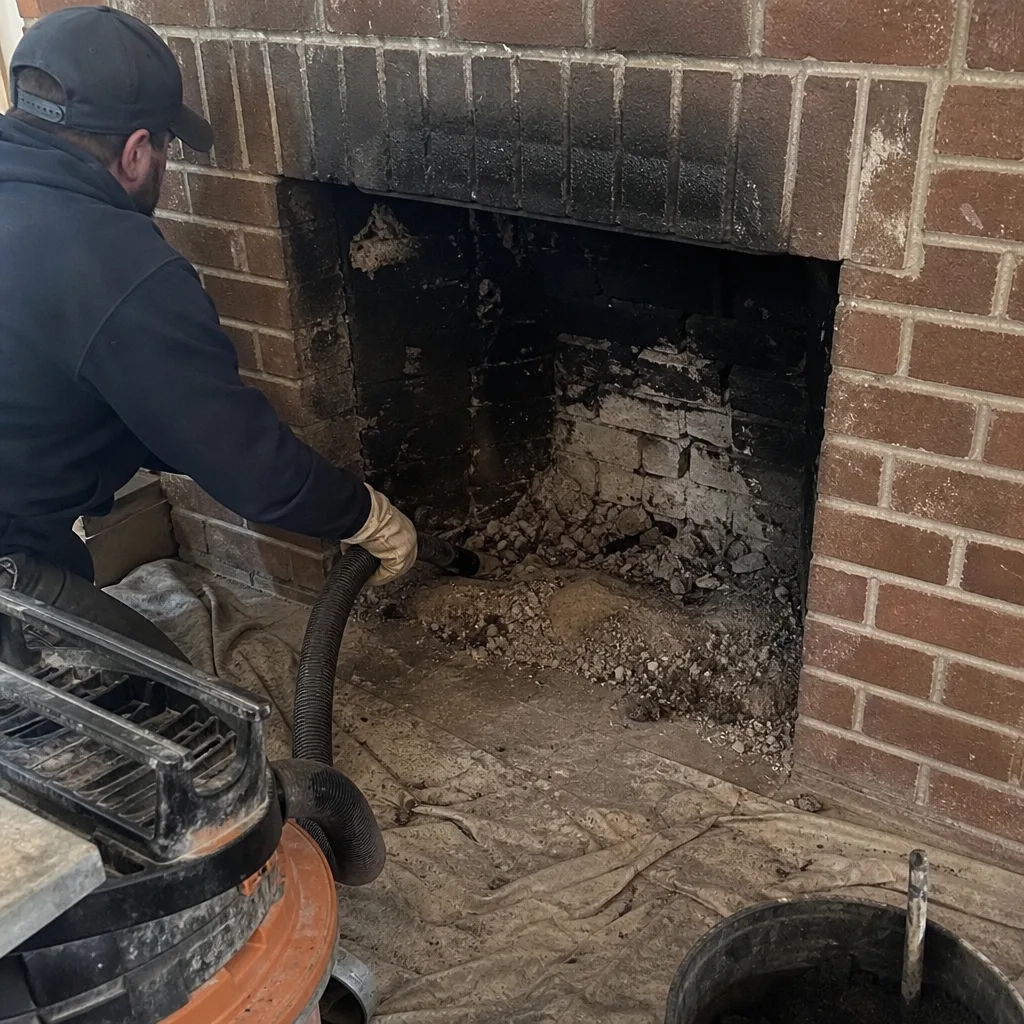 Before
 After
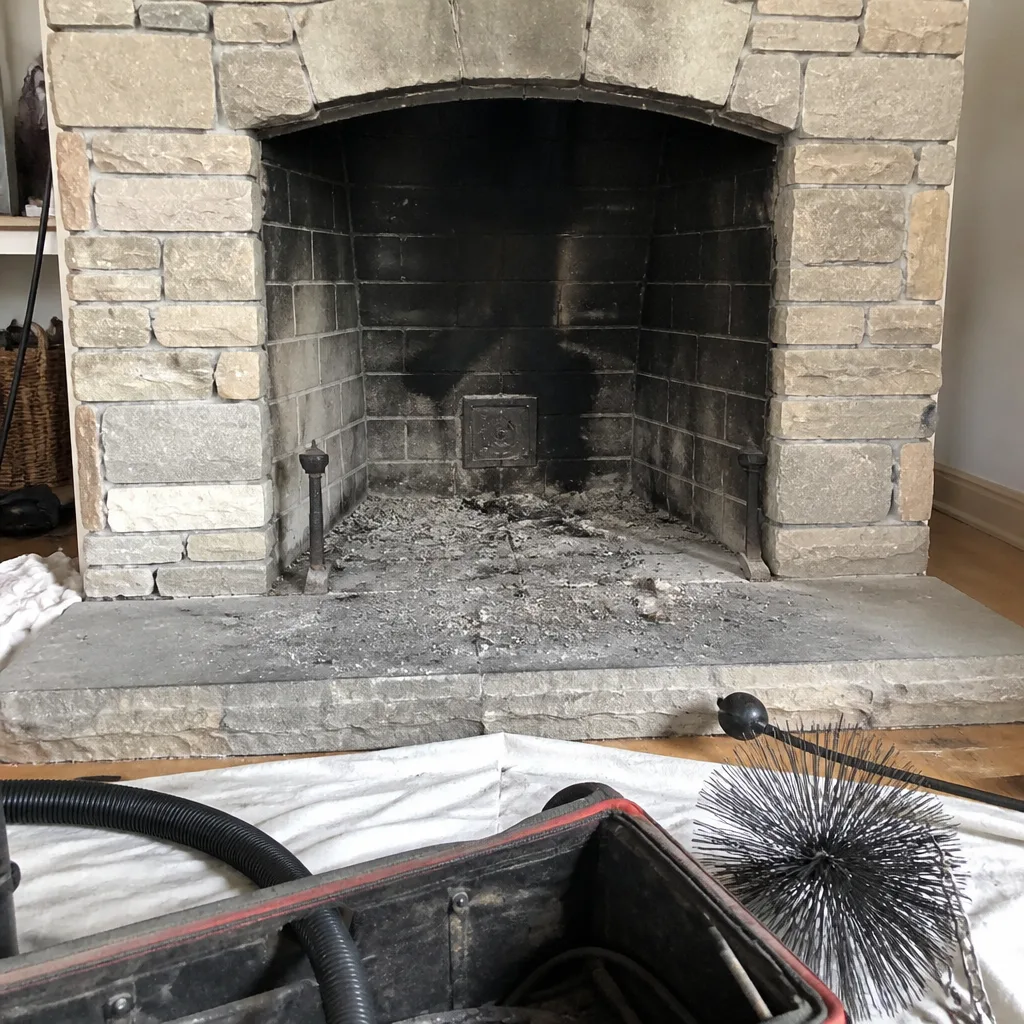 Before
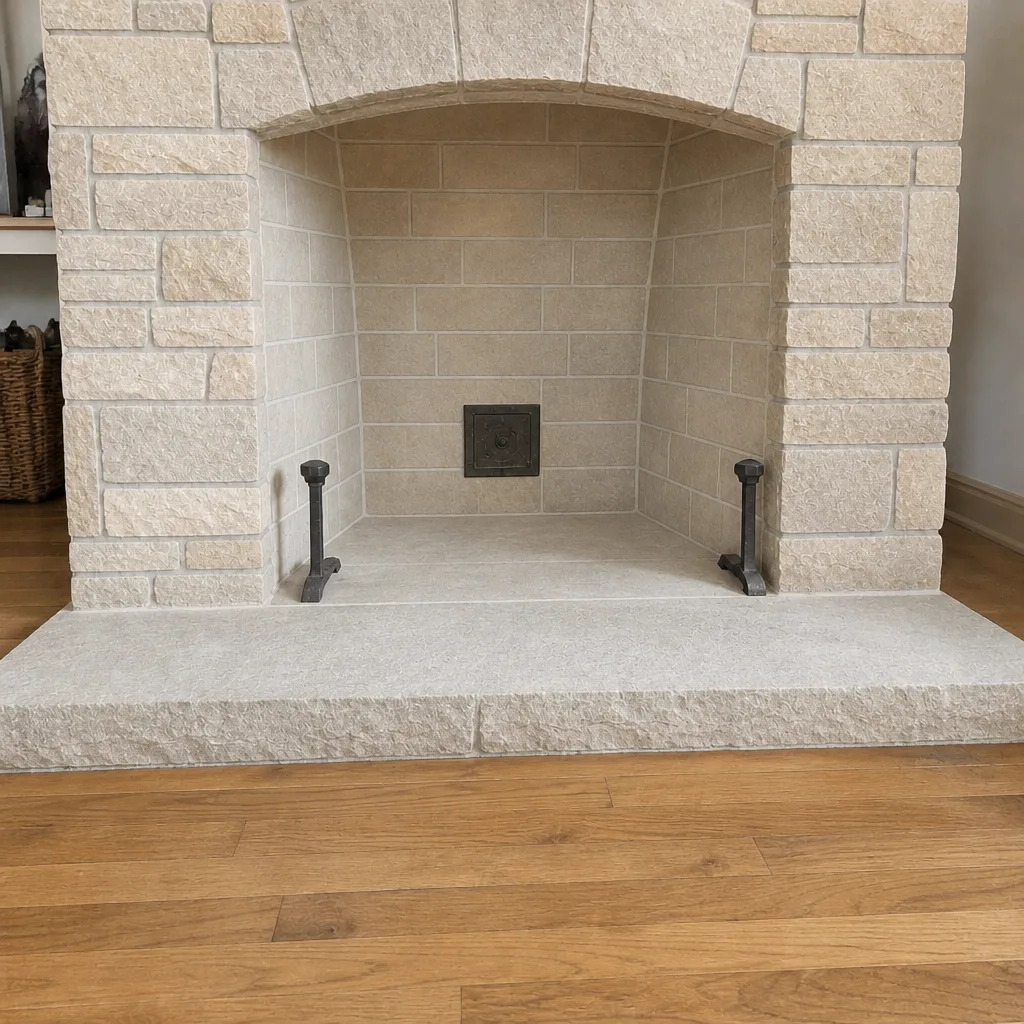 After
When to Call a Professional
Some chimney problems announce themselves and some don’t. Call a professional if you haven’t had the chimney swept in a year of regular burning, if you’ve noticed a strong smoky odor in the room when the fireplace isn’t in use, if you see black or glazed deposits on the flue walls (if you can see the flue at all), or if you’ve had a chimney fire, even a small one. Carbon monoxide detector activations, a damper that won’t open or close cleanly, and water staining around the firebox or crown are all reasons to get a camera inspection. And if you’ve just bought a home in Wheat Ridge with a wood-burning appliance, a level-two inspection before the first fire is the standard advice.
Chimney Sweep Wheat Ridge offers free estimates in Wheat Ridge. Call (866) 947-9417 to book a sweep or an inspection, and our technicians will show you exactly what they find.
Frequently Asked Questions
A standard chimney sweep in Wheat Ridge typically falls in the low-to-mid hundreds of dollars, with the exact price set per job by a written estimate after the technician sees the flue and the appliance. A camera inspection or additional repair work is quoted separately, and the estimate itself is free. Call (866) 947-9417 for an exact quote.
You need a liner if the camera inspection shows the existing one is cracked, missing, or not sized for your appliance. A liner is what keeps combustion gases inside the flue and away from the framing. Not every chimney needs a new one, which is exactly why the recommendation has to rest on photos you can see rather than a verbal diagnosis. Ask for the camera evidence before you book the work.
Once a year for a home that burns regularly is the standard advice, and it can be more often if you burn heavily or use unseasoned wood. Wheat Ridge’s long burning season, which runs from early fall well into spring, means most wood-burning homes here should be on an annual schedule. If you’ve had a chimney fire, even a small one, book an inspection before the next fire. Call (866) 947-9417 to schedule.
Creosote builds up in layers, and the glazed stage is highly flammable. A chimney fire can start in a flue that looks fine from the firebox. Separately, a cracked liner or a blocked flue can let carbon monoxide back into the home. Neither problem is visible without an inspection. If it’s been more than a year, that’s a good reason to call.
Ask for the technician’s name and CSIA Certified Chimney Sweep or NFI credential number on the first call, then verify it yourself using the CSIA or NFI online directory before the appointment. The lookups take under two minutes, and the certification should belong to the person coming to your house, not just a company name. A certified sweep will hand over the number without hesitation.
Yes. Colorado doesn’t require a state license to perform chimney sweeping, which is why certification matters even more here. The CSIA and NFI credentials are voluntary, and they’re the best available signal that the person on your roof has been tested on the work. In Wheat Ridge, where older flues and retrofits are common, that distinction carries real weight. Call (866) 947-9417 for a free estimate.
The Bottom Line
The chimney service market in Wheat Ridge is wide, and the lowest bid often reflects missing equipment rather than a good deal. Your best defense is a short, specific vetting process: verify the CSIA or NFI credential yourself, ask the five questions, insist on a written itemized estimate, and expect a post-service report with photos before you agree to any repair. Branded components like DuraFlex liners and Gelco or Famco caps tell you what’s going into your chimney, and a camera image tells you why it’s being recommended. Work that can wait should wait, and a professional will say so. One inspection. One team. Everything from the firebox to the crown.
Call Chimney Sweep Wheat Ridge at (866) 947-9417 for a free estimate. We answer 24/7. Fast dispatch from 7am to 7pm, Sunday through Friday. Our technicians have up to 8 years of experience, and they’ll show you exactly what they find.
Written by the team at Chimney Sweep Wheat Ridge.