
Last updated November 24, 2026
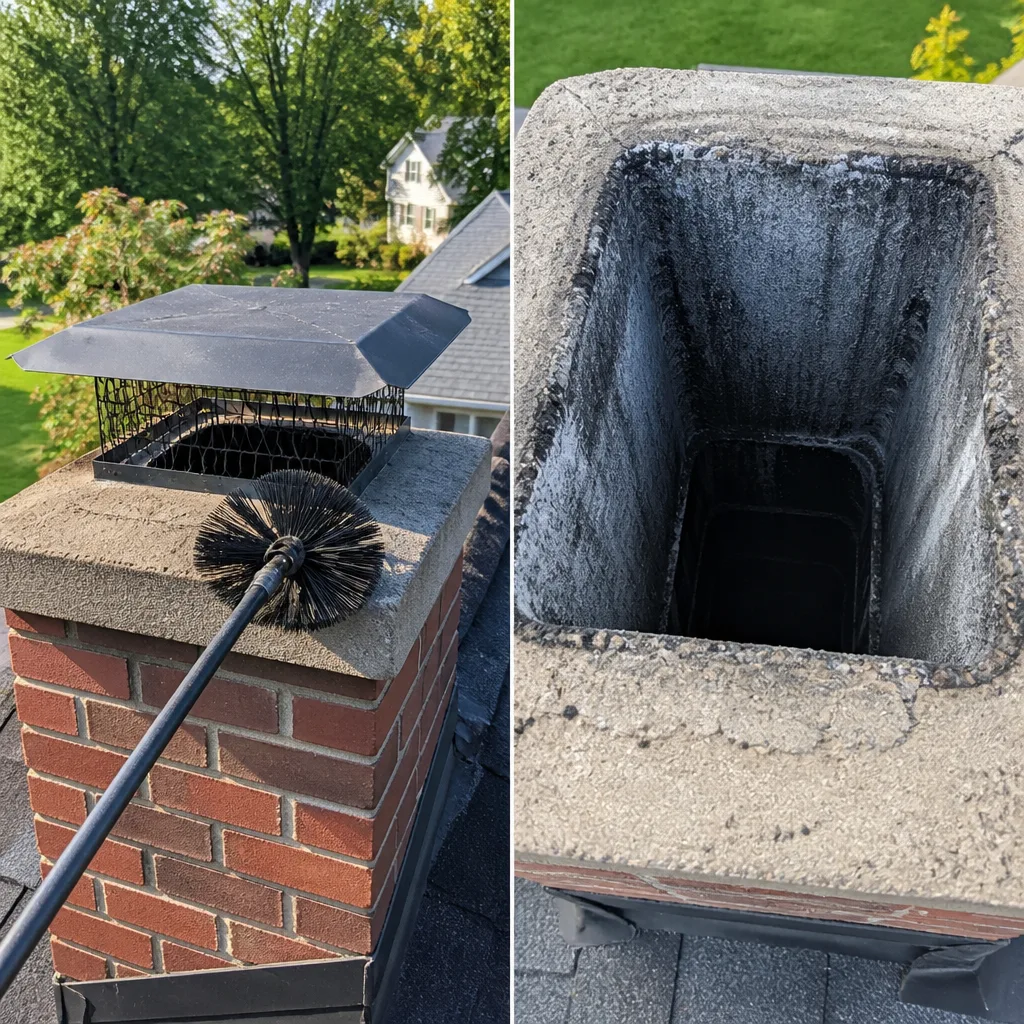 Sweep & inspection
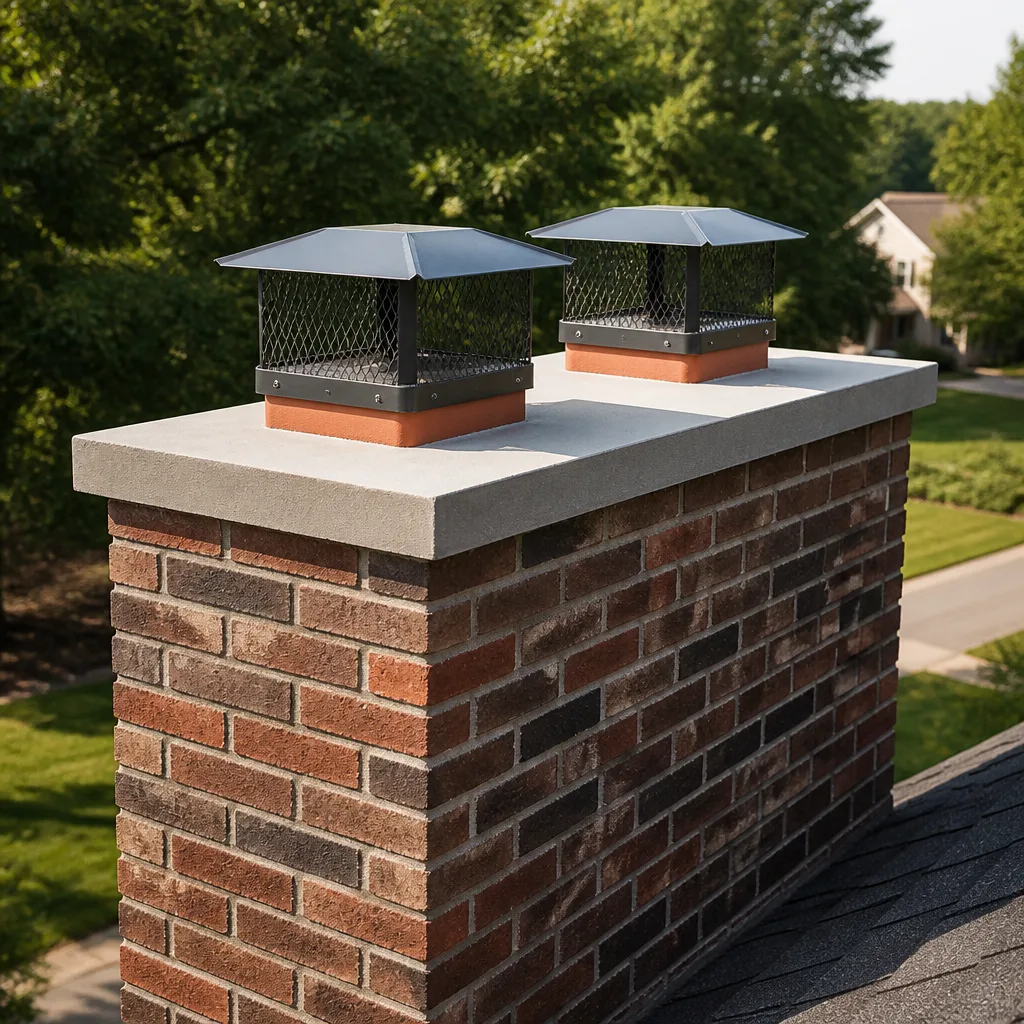 Caps & crowns
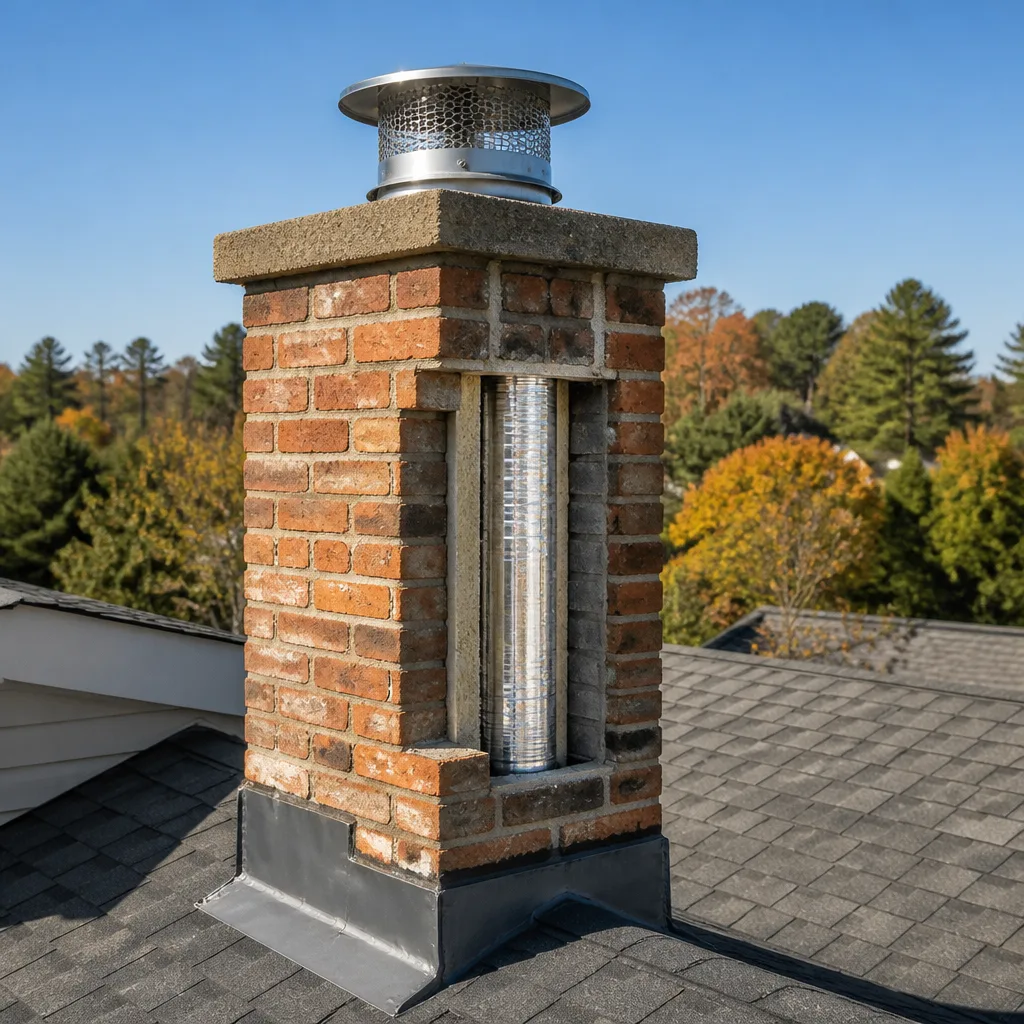 Flue relining
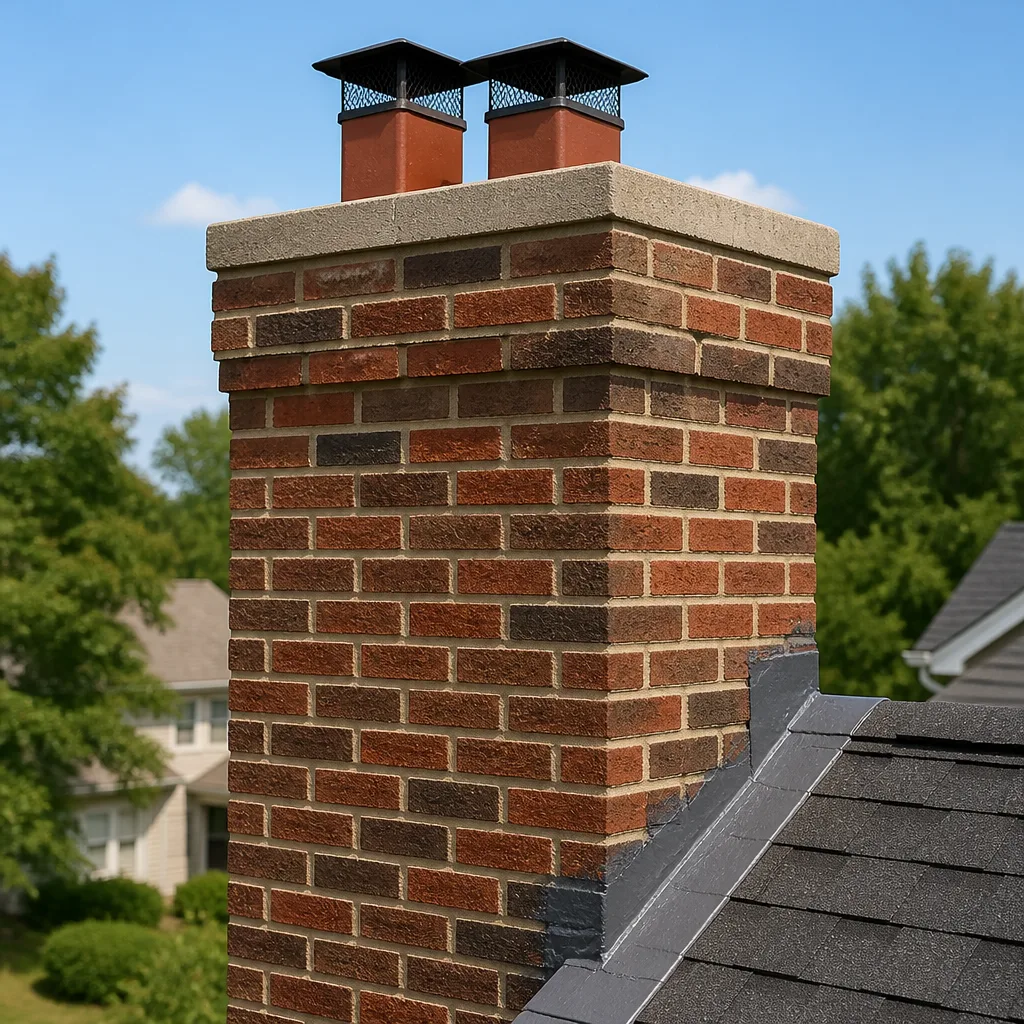 Masonry repair
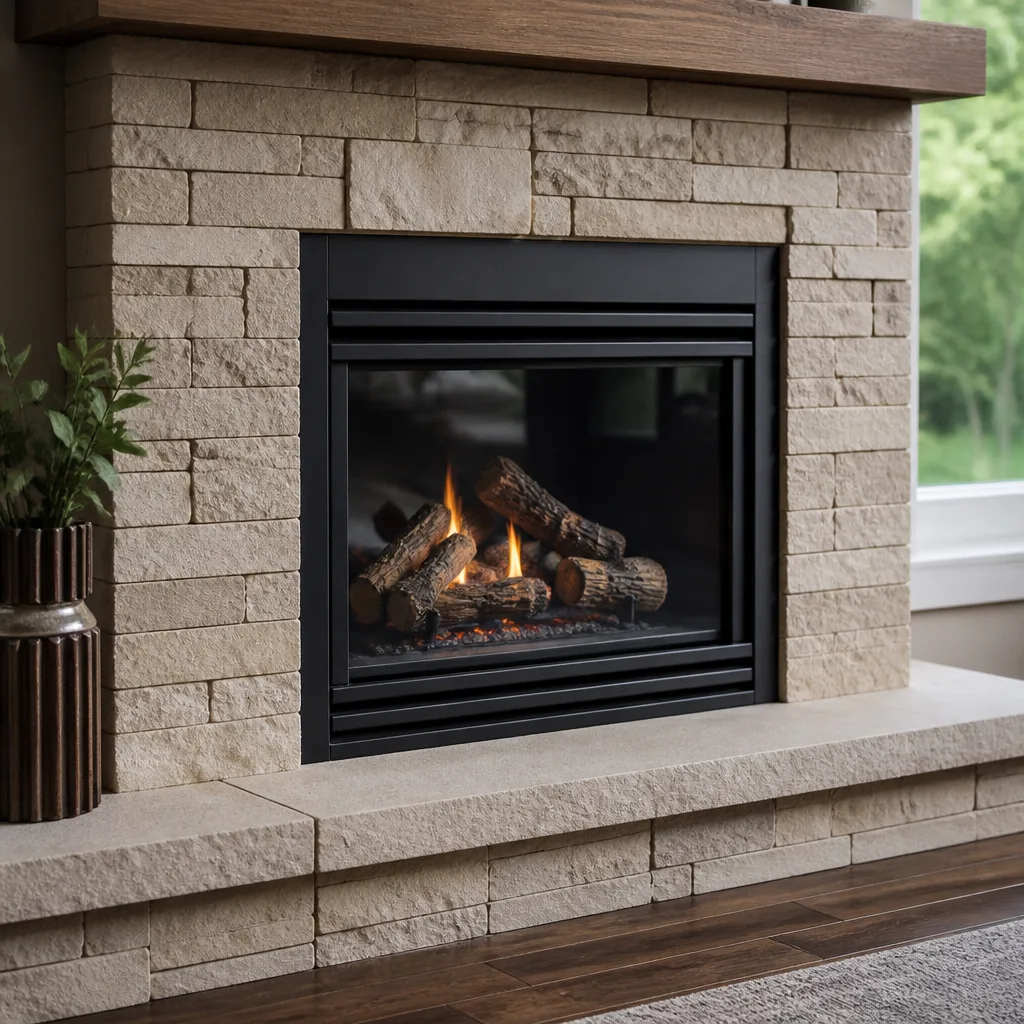 Gas fireplace service
Level 1 sweep and inspection to the NFPA 211 annual standard - flue, crown, cap, and flashing checked and photographed
Chimney sweep logs do not sweep chimneys. They loosen some creosote - which then falls where a brush and vacuum still have to collect it.
The Complete Guide to Chimney Cleaning in Wheat Ridge
Most homeowners assume a yearly sweep is enough. At Wheat Ridge’s elevation, that assumption quietly fails. Wood stoves and fireplaces are rated for efficiency at sea-level air density, and thinner mountain air changes how completely your wood burns. Less complete combustion means more unburned material leaving the firebox as creosote, and creosote accumulates in ways the standard “once a year” rule never accounts for. This guide maps what that means for cleaning frequency, method, and the materials that hold up in Wheat Ridge homes, from the older housing stock near the Ridge at 38 to the mid-century neighborhoods off Wadsworth.
Quick Answer
Chimney cleaning in Wheat Ridge matters more often than the national once-a-year guideline suggests because high-altitude burning and Front Range wind patterns accelerate creosote buildup. Most homes here benefit from an annual sweep plus a Level 2 inspection after any heavy burn season, and homes built before 1980 often need a closer look at flue sizing. A proper cleaning removes the creosote, but the inspection is what tells you whether the chimney is actually safe to use.
Styles & brands we work with
- Sweep & inspection
- Caps & crowns
- Flue relining
- Masonry repair
- Gas fireplace service
Table of Contents
- Why Elevation Changes Creosote Buildup in Wheat Ridge
- Rotary Cleaning vs. Brush-and-Rod: Which Method Your Chimney Needs
- Level 1 vs. Level 2 Inspections: What Wheat Ridge Homeowners Actually Need
- Why Older Wheat Ridge Homes Have Undersized Flues
- Liner Materials Compared: HeatShield, Rockwool, and Stainless Flex
- How Often Should You Clean a Chimney in Wheat Ridge?
- What Front Range Wind Does to Your Chimney
- What a Professional Cleaning Actually Involves
Why Elevation Changes Creosote Buildup in Wheat Ridge
Wheat Ridge sits at roughly 5,400 feet, and that altitude changes the physics of a wood fire. At lower air density, a stove or fireplace draws less oxygen per cubic foot of intake air than its manufacturer’s efficiency rating assumes. The result is a fire that burns cooler and less completely than the label promises, and incomplete combustion is the direct cause of creosote.
Creosote forms in stages, and the differences matter:
- Stage 1 is a light, flaky soot that a standard brush lifts off easily. Most Wheat Ridge homes produce this in the first weeks of the season.
- Stage 2 is a hardened, crusty deposit that bonds to the flue wall. It takes mechanical agitation, not just a brush pass, to remove.
- Stage 3 is a glazed, tar-like coating that has essentially baked onto the masonry or liner. This is the stage that requires rotary equipment or, in severe cases, resurfacing.
At altitude, the jump from Stage 1 to Stage 2 happens faster because the fire runs cooler and leaves more unburned residue behind. Homes that burn wet or unseasoned wood push this further. In our experience across Wheat Ridge, a homeowner who burns green wood in a high-elevation firebox can move from a clean flue to a hardened Stage 2 deposit within a single heavy season. That’s why we treat the annual sweep as a starting point, not a finish line, and why the inspection matters as much as the cleaning.
For a full picture of how sweeping fits into a broader maintenance routine, our chimney sweep page walks through the service in detail.
Rotary Cleaning vs. Brush-and-Rod: Which Method Your Chimney Needs
Not every chimney needs the same cleaning method, and the difference between rotary and standard brush-and-rod cleaning isn’t marketing. It’s about what’s actually bonded to your flue wall.
Brush-and-rod cleaning uses a stiff-bristled brush on flexible rods to scrub the flue. It’s the right choice for Stage 1 soot and light Stage 2 deposits, and it’s the standard for routine annual maintenance. The brush fits the flue’s shape, whether round, square, or rectangular, and it removes the loose material without stressing the masonry.
Rotary cleaning uses a powered spinning head with interchangeable whips or chains that scour the flue wall. It’s the method for hardened Stage 2 and Stage 3 creosote, and for flues where the deposit has bonded into a glaze. Rotary systems also work well on flues with offsets or irregular shapes that a straight brush can miss.
Here’s how we decide which method a Wheat Ridge chimney needs:
- Inspect the flue with a camera to see the deposit type and thickness. You can’t choose a method by looking up from the firebox.
- Test a small section with a brush to gauge how firmly the creosote is bonded.
- Match the method to the deposit. Light soot gets brush-and-rod; hardened or glazed creosote gets rotary.
- Re-inspect after cleaning to confirm the flue wall is clear before we call the job done.
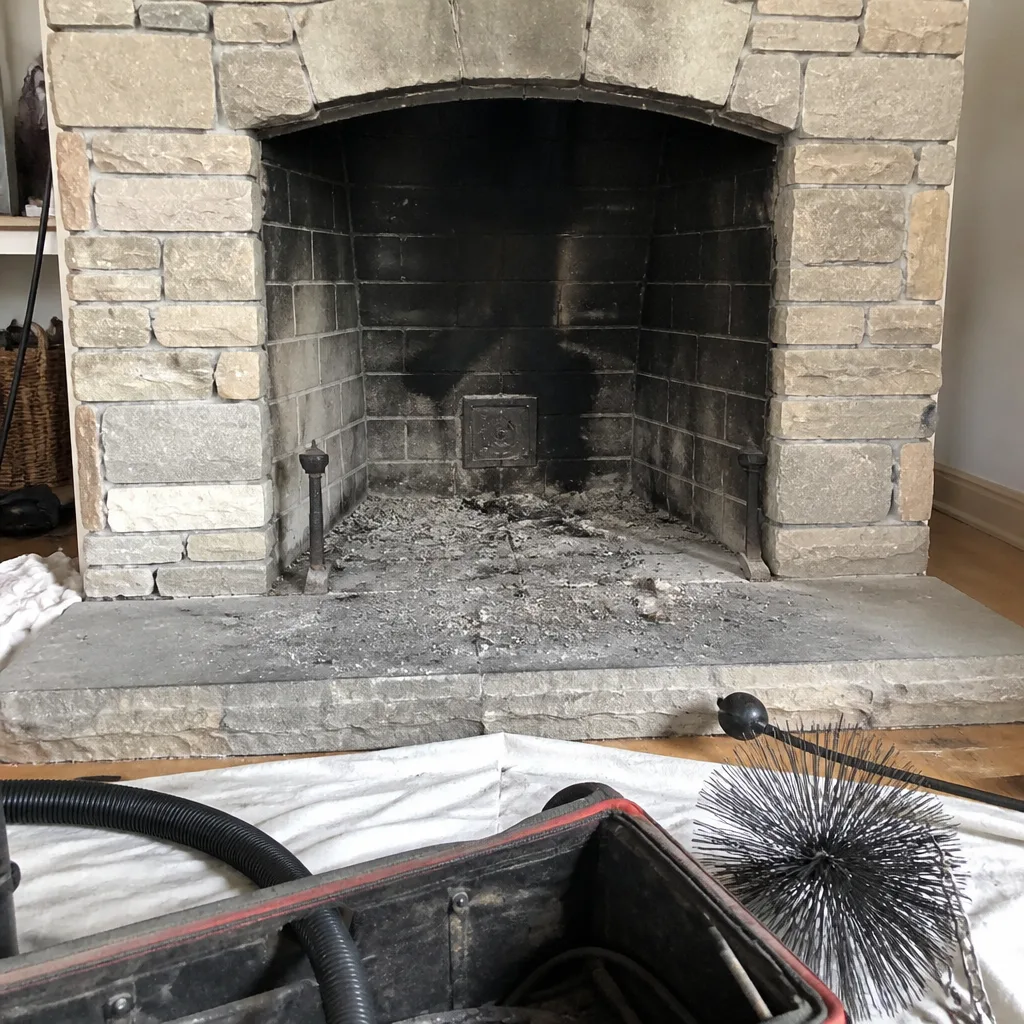
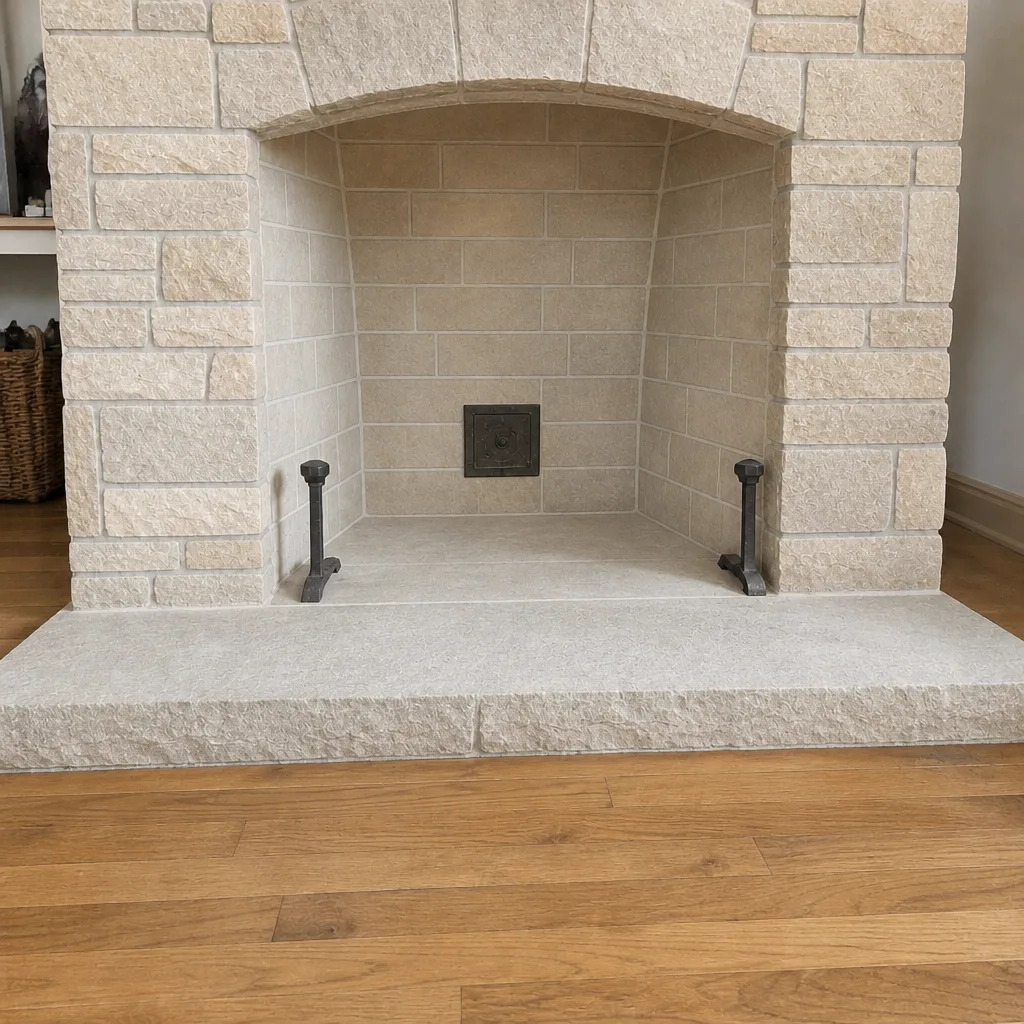
- Document the before-and-after with photos so you can see exactly what came out.
The camera inspection and photo record are included with our cleaning, and they’re the reason we can tell you plainly when a flue is clean and when it needs more work. Nothing gets recommended without evidence you can see for yourself.
Level 1 vs. Level 2 Inspections: What Wheat Ridge Homeowners Actually Need
Chimney inspections come in levels, and the level you need depends on what’s changed since the last one. This is one of the most misunderstood parts of chimney care, so let’s sort it out.
A Level 1 inspection covers the readily accessible parts of the chimney and fireplace: the firebox, the damper, the visible flue, and the exterior at ground level. It’s the right inspection for a chimney that’s in known good condition and hasn’t changed use or had any damage since the last check. Most homes getting a routine annual sweep pair it with a Level 1.
A Level 2 inspection goes further. It includes everything in a Level 1 plus a video camera scan of the entire flue, and it covers areas that aren’t readily accessible. You need a Level 2 when:
- You’ve had a chimney fire, even a small one you suspect
- You’ve changed fuel type, replaced the appliance, or relined the flue
- The home has changed ownership since the last inspection
- There’s visible damage, water intrusion, or a suspected blockage
- It’s been a heavy burn season and you want to confirm the flue is sound
For Wheat Ridge homeowners who burn steadily through the cold months, a Level 2 after a heavy season is often the wiser call. The camera scan catches cracks, gaps in liner joints, and offset problems that a flashlight and mirror can’t reach. It also gives the technician the evidence to recommend a repair only when one is genuinely needed. Many homes finish a Level 2 and learn the flue is fine, which is exactly the answer most people are hoping for.
If the inspection turns up a problem in the firebox or damper, that work falls under our fireplace repair service. If it turns up structural issues in the flue or masonry, that’s chimney repair.
Why Older Wheat Ridge Homes Have Undersized Flues
A lot of Wheat Ridge’s housing stock dates to the decades before 1980, and those homes were built around heating appliances that no longer exist. The original furnace or stove had a specific flue size, and the chimney was built to match. When the appliance gets replaced or the fireplace gets converted, the flue often doesn’t get resized, and that mismatch causes problems.
An undersized flue for the appliance it serves has two effects. First, the chimney doesn’t draft properly, so smoke and combustion gases can spill back into the room instead of going up and out. Second, the slower draft means the fire burns cooler and deposits more creosote. The buildup compounds faster because the flue is both smaller and cooler than it should be.
Homes built before 1980 in Wheat Ridge tend to share a few patterns:
- Masonry chimneys with clay tile liners that have cracked or spalled over the decades
- Flues sized for a coal or oil appliance, now serving a wood stove or gas fireplace
- Multiple appliances venting into a single flue, which can cause backdrafting
- Exterior chimneys that run cold, making creosote form even faster
If your home is in one of these older Wheat Ridge neighborhoods, a Level 2 inspection is the way to know for sure what your flue is doing. The camera scan will show the flue’s actual condition and whether the sizing is right for your appliance. From there, the right fix might be a reline, a resurfacing, or nothing at all. We tell you which, and we show you the evidence.
Liner Materials Compared: HeatShield, Rockwool, and Stainless Flex
The liner is the part of your chimney that actually contains the fire and the gases. When it fails or doesn’t fit the appliance, the whole system is compromised. There are three main approaches we work with, and each suits a different situation.
HeatShield ceramic resurfacing is a specialty repair for a masonry flue that’s deteriorated but still structurally sound. It’s a ceramic-based material applied to the inside of the flue to form a new, smooth, heat-resistant surface. It’s the repair most chimney companies can’t offer, and it’s the right answer when the flue has cracks or spalling but the surrounding masonry is worth saving. It restores the flue without the cost of a full reline.
Rockwool insulation is used around a liner to keep the flue warm and improve draft. In Wheat Ridge, where exterior chimneys run cold in the winter, an insulated liner helps the fire burn more completely and reduces the creosote buildup that comes from a cool flue. It’s a behind-the-scenes material, but it makes a real difference to how the whole system performs.
Stainless steel flexible liners are the standard for relining a flue that can’t be resurfaced or that needs to be resized for a modern appliance. We specify DuraFlex liner systems because they’re a professional-grade flexible liner that handles the offsets and angles older Wheat Ridge chimneys tend to have. A stainless flex liner gives you a continuous, sealed flue from the appliance to the top, which is what you want when the original clay tiles are compromised.
Which one suits your Wheat Ridge home depends on three things: the condition of the existing flue, the appliance it serves, and whether the chimney has offsets or sizing issues. A camera inspection answers all three, and the written estimate tells you which repair fits and why.
How Often Should You Clean a Chimney in Wheat Ridge?
The honest answer is that the annual guideline is a floor, not a ceiling. For Wheat Ridge homes at elevation, the right frequency depends on how much you burn and what you burn.
Here’s how we think about it:
- Light use (occasional fires, well-seasoned wood, a modern appliance): an annual sweep plus a Level 1 inspection is usually enough.
- Regular use (most evenings through the cold months): an annual sweep and a Level 2 after the season is the safer pattern, given how fast elevation burning builds creosote.
- Heavy use or older equipment (a wood stove running most of the winter, or a pre-1980 fireplace): consider a mid-season check in addition to the annual sweep.
- After any chimney fire or a change in appliance: a Level 2 inspection regardless of when the last one happened.
Burning seasoned wood makes a measurable difference. Wood with high moisture content burns cooler and leaves more creosote, and at altitude that effect is magnified. If you’re not sure how dry your wood is, a moisture meter takes the guesswork out of it. Dry wood, a warm flue, and a properly sized liner all work together to keep buildup down.
The simplest rule for Wheat Ridge: sweep once a year, and let the inspection tell you if you need to do more. A clean chimney is the starting point, but a sound one is the goal.
What Front Range Wind Does to Your Chimney
Wheat Ridge sits right in the path of the Front Range wind patterns that sweep down the foothills and across the metro. Those winds aren’t just a nuisance for your patio furniture; they affect how your chimney performs.
Strong, shifting winds can cause downdrafts that push smoke back into the room, and they can stress a chimney cap that’s already loose. A proper cap matters here. We use Gelco and Famco components for cap and crown work because they’re branded, durable hardware you can trace, not anonymous off-brand parts. A well-fitted cap keeps rain, snow, and debris out of the flue and helps stabilize the draft.
Wind also drives debris into an uncapped flue: leaves, twigs, and the occasional bird nest. In Wheat Ridge, an uncapped chimney is a blockage waiting to happen, and a blockage is a carbon monoxide risk. If your cap is missing or damaged, that’s a repair worth doing before the next burn season. The crown, the concrete top of the chimney, matters too; a cracked crown lets water into the masonry, and freeze-thaw cycles through a Colorado winter turn that crack into real damage. Our Chimney Sweep Wheat Ridge team handles caps and crowns alongside sweeping, so the whole top of the system gets checked at once.
What a Professional Cleaning Actually Involves
A professional cleaning is more than a brush on a pole. Here’s what a proper job looks like, and what you should expect from any company you hire in Wheat Ridge.
- Protect the room. Drop cloths and a sealed vacuum keep soot out of your living space. This is the first thing to look for.
- Inspect before cleaning. A camera scan shows the deposit type and any existing damage before the brush goes in. You can’t clean what you haven’t seen.
- Clean the firebox, damper, and flue. All three get attention, not just the flue. Soot collects in the smoke shelf and damper area too.
- Match the method to the deposit. Brush-and-rod for light soot, rotary for hardened or glazed creosote.
- Re-inspect after cleaning. A second camera pass confirms the flue wall is clear.
- Document with photos. You get a photo record of what came out and what the flue looks like now.
- Recommend only what the evidence supports. If a repair is needed, you see why. If work can safely wait, we say so.
That last point matters. The real worry for most homeowners is being told they need liner or masonry work they have no way to verify. We answer that with the camera and the photos: nothing gets recommended without evidence you can see for yourself, and when a repair can wait, we tell you that too.
Common Mistakes to Avoid
- Assuming once a year is always enough. At Wheat Ridge’s elevation, heavy burning can build Stage 2 creosote well before a year passes. Let the inspection, not the calendar, set the schedule.
- Burning wet or unseasoned wood. Green wood burns cooler and deposits more creosote, and altitude makes the effect worse. Season your wood and check it with a moisture meter.
- Skipping the camera inspection. A cleaning without a camera scan is a cleaning blind. You want to see the flue before and after, not take it on faith.
- Ignoring a cracked crown. A cracked crown lets water into the masonry, and Colorado’s freeze-thaw cycles multiply the damage. Fix it before winter.
- Leaving the flue uncapped. In Front Range wind, an open flue collects debris and can block the draft. A fitted Gelco or Famco cap solves it.
- Hiring a sweep who doesn’t inspect. A brush alone tells you nothing about the flue’s condition. Ask whether the camera scan and photo report are included before you book.
- Assuming a flue is sized right for a new appliance. Older Wheat Ridge homes often have flues sized for appliances that no longer exist. A Level 2 inspection confirms the fit.
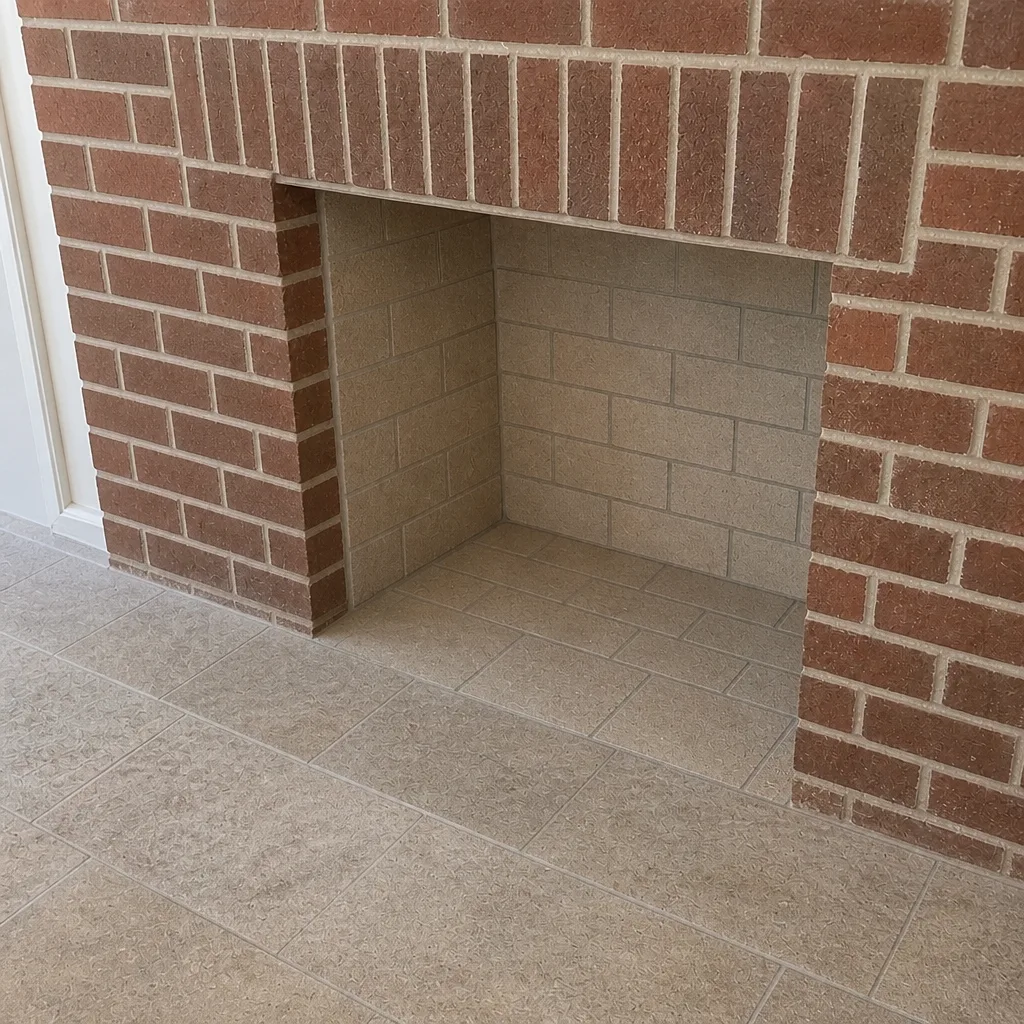
See the difference
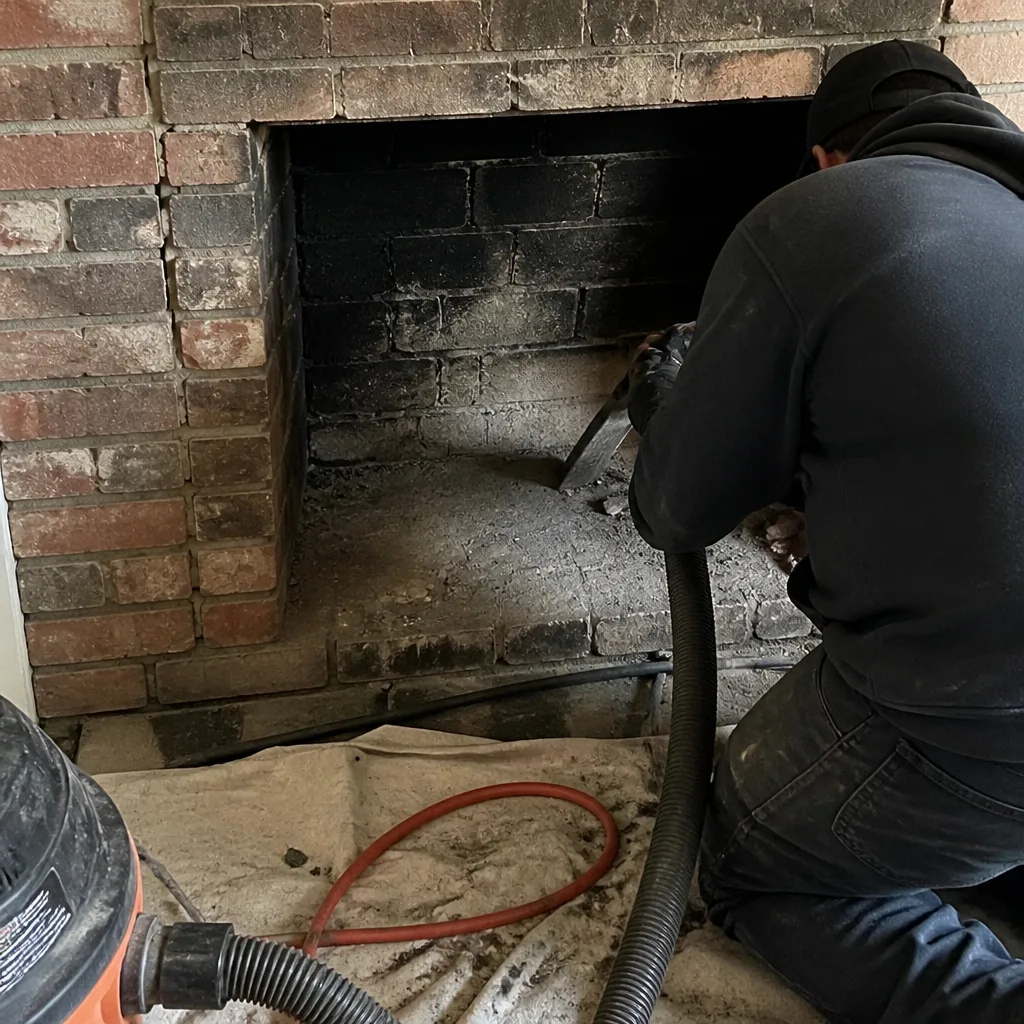 Before
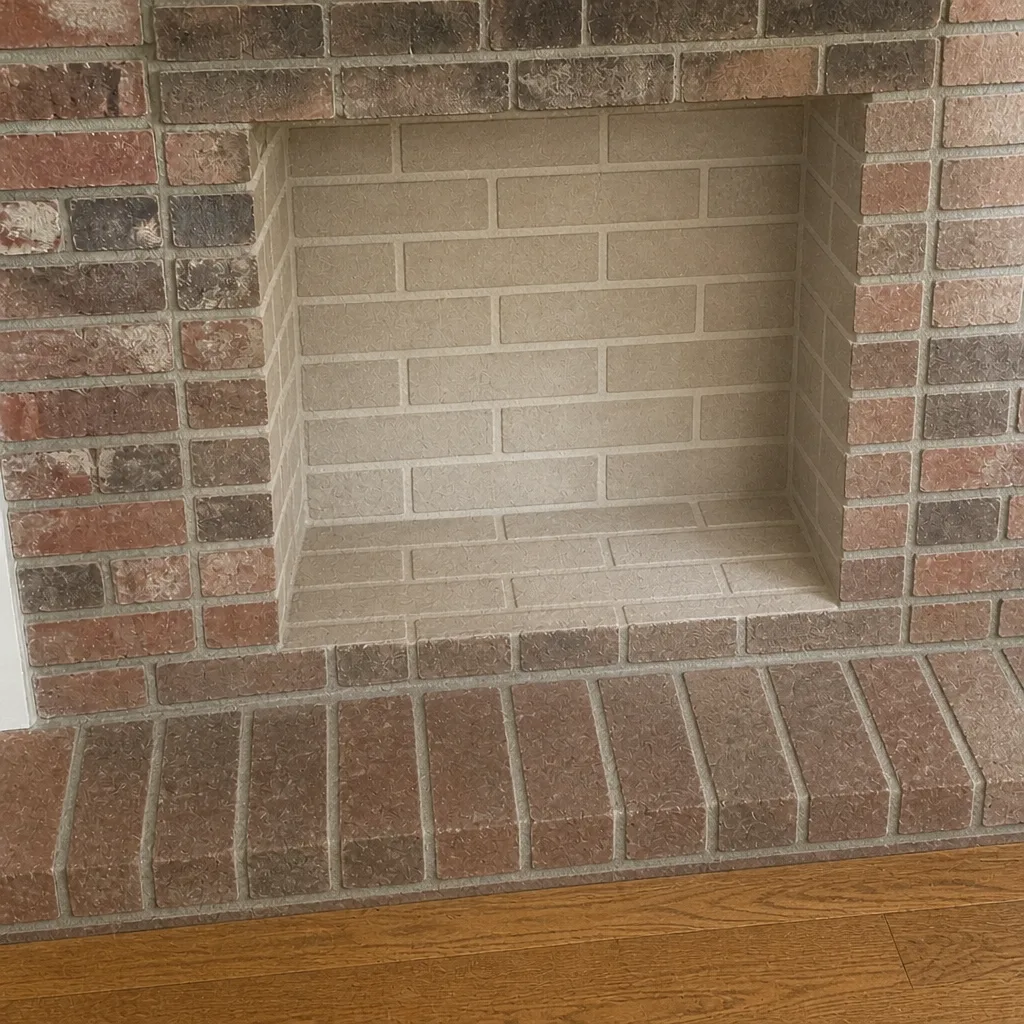 After
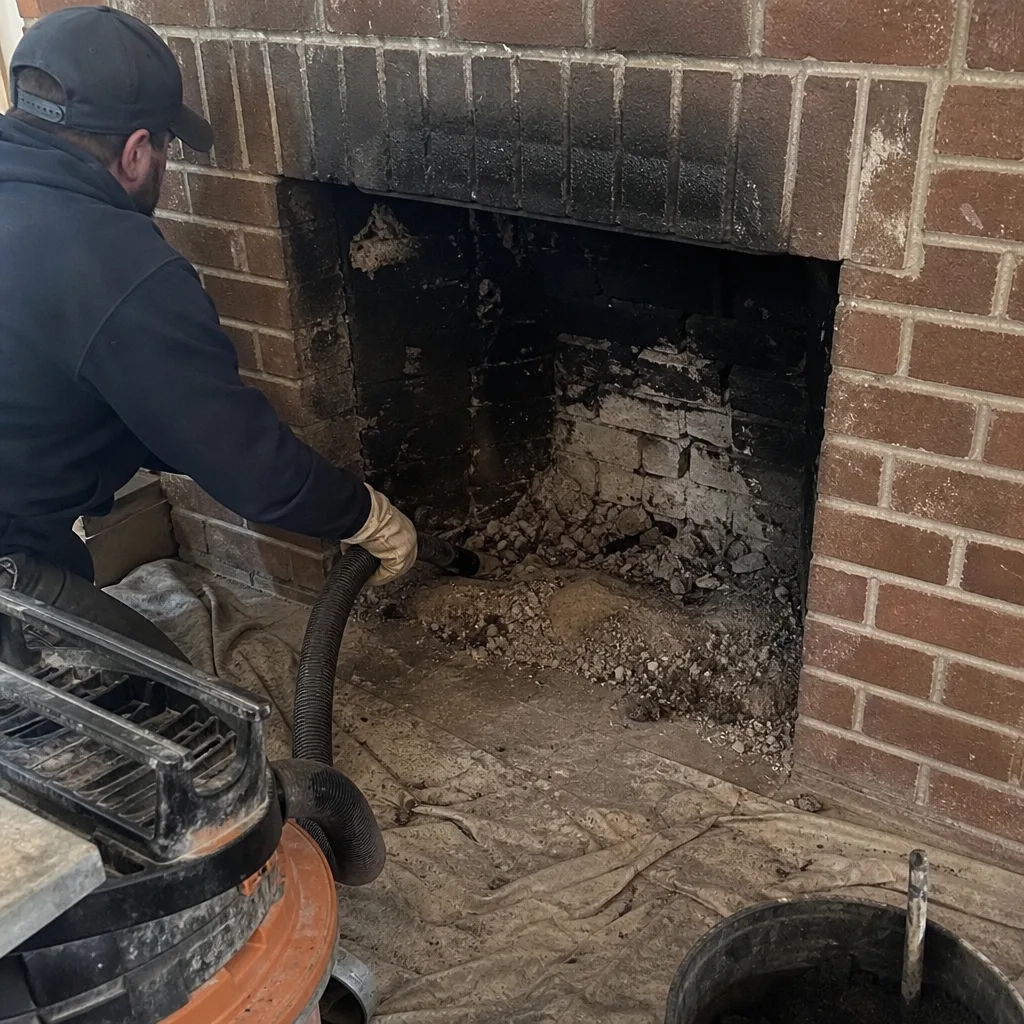 Before
 After
 Before
 After
When to Call a Professional
Some chimney work is obvious; some isn’t. Call a trained professional when you see or smell any of these: smoke backing into the room when you light a fire, a strong creosote odor even when the fireplace is cold, visible cracking or crumbling in the masonry, a loose or missing cap, water stains on the ceiling or chimney breast, or a flue that hasn’t been inspected in more than a year. Never try to clear a blockage or inspect a flue yourself; creosote is corrosive and flammable, and carbon monoxide is invisible. The work belongs with someone who has the camera, the rotary equipment, and the training. Our technicians have up to 8 years of experience, and Chimney Sweep Wheat Ridge offers free estimates in Wheat Ridge. Call (866) 947-9417. We answer 24/7. Fast dispatch from 7am to 7pm, Sunday through Friday.
Frequently Asked Questions
Chimney sweeping in Wheat Ridge is priced per job by a written estimate, which sets the final price. A routine sweep typically costs less than an inspection plus cleaning, and any recommended repair is quoted separately after the camera inspection. Call (866) 947-9417 for an exact quote; estimates are free.
Only if the inspection shows the existing flue is compromised or undersized for your appliance. A camera scan reveals cracked tiles, failed joints, or a sizing mismatch, and that evidence is what determines whether a reline makes sense. Plenty of Wheat Ridge chimneys pass inspection and need no liner work at all. Call (866) 947-9417 to schedule the inspection that answers it.
Most Wheat Ridge homes should be swept once a year, with a Level 2 inspection after any heavy burn season. High-altitude burning builds creosote faster than sea-level guidelines assume, so heavy users may benefit from a mid-season check. Call (866) 947-9417 to book a sweep and let the inspection set the schedule.
Creosote keeps building until it reaches a stage that’s harder and more expensive to remove, and a heavily loaded flue raises the risk of a chimney fire and of carbon monoxide backing into the home. Skipping also hides developing problems like cracked tiles or a failing crown. Call (866) 947-9417 before the next burn season.
Yes. We install and replace chimney caps and crowns using Gelco and Famco components, and we handle both as part of the full chimney system. A fitted cap keeps debris and weather out of the flue, and a sound crown keeps water out of the masonry. Call (866) 947-9417 for an estimate.
Yes. We’re certified applicator-level familiar with HeatShield ceramic resurfacing, which restores a deteriorated masonry flue without a full reline. It’s the right fix when the flue has cracks or spalling but the surrounding masonry is structurally sound. A camera inspection confirms whether your flue qualifies. Call (866) 947-9417.
The Bottom Line
Chimney cleaning in Wheat Ridge isn’t a one-size formula. The altitude makes wood burn less completely, the Front Range wind pushes debris into uncapped flues, and the older housing stock often has flues sized for appliances that no longer exist. Put together, those factors mean the annual sweep is a starting point, and the camera inspection is what tells you whether your chimney is actually safe. Sweep once a year, inspect after a heavy season, keep the cap and crown sound, and fix only what the evidence supports. Our technicians have up to 8 years of experience, and we handle sweeping, inspection, fireplace repair, chimney repair, and cap and crown work in one call.
If your chimney hasn’t been looked at since last season, now’s the time. Chimney Sweep Wheat Ridge offers free estimates in Wheat Ridge. Call (866) 947-9417. We answer 24/7. Fast dispatch from 7am to 7pm, Sunday through Friday.
Written by the team at Chimney Sweep Wheat Ridge.